A collection of walks, discoveries, insights and pictures of exploring Dartmoor National Park
June 9, 2026
Delamore House and Estate – an attempt to solve the mystery of its (19th Century) water supply
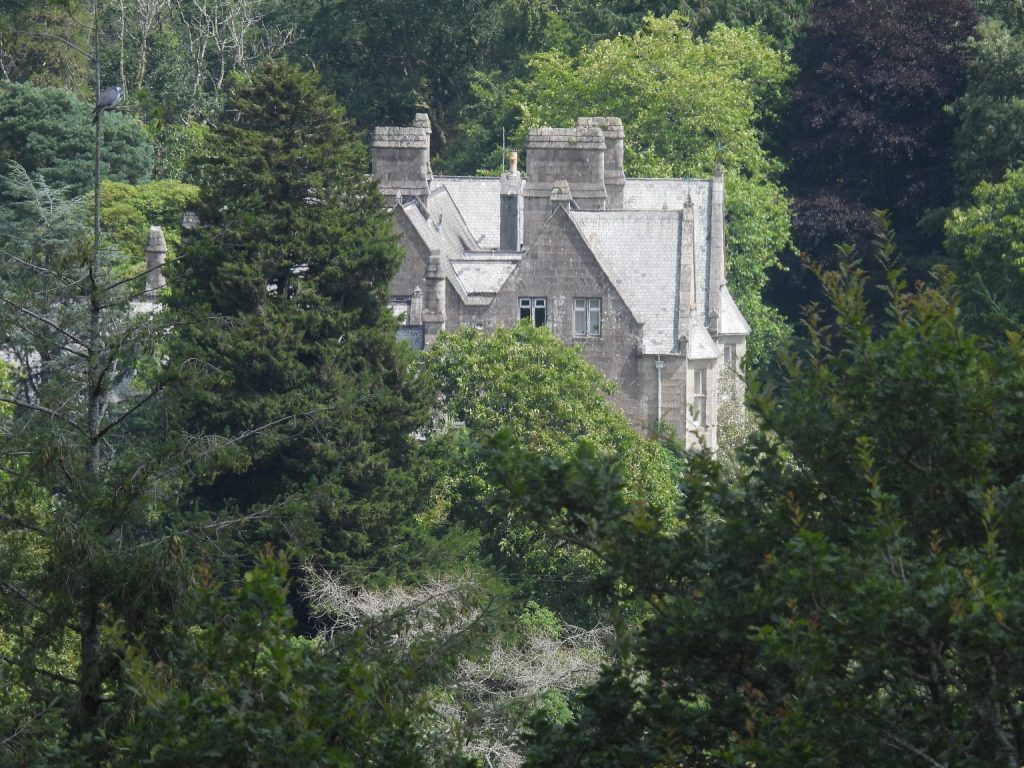
The present Delamore House near Cornwood was built in 1859 when the previous house was demolished and is the fourth to have been built on the estate. It was designed by J.P. St Aubyn in the Gothic style having been commissioned by Admiral George Parker, who was the husband of Anne Praed. The grounds were laid out at around the same time.
The first Delamore house (Dallamoor) was mentioned in records in the 13th century as part of the Manor of Cornwood and was built by the Cole family. This house eventually came into the possession of Robert Bellmain from Westmoreland and possibly was re-built in the 1500s, but this house was burnt down. A third house was built in 1794 by Benjamin Hays, whose wife, Ann, was the third daughter of the Right Hon. George Treby, and Charity, daughter of Roger Hele of Halwell.
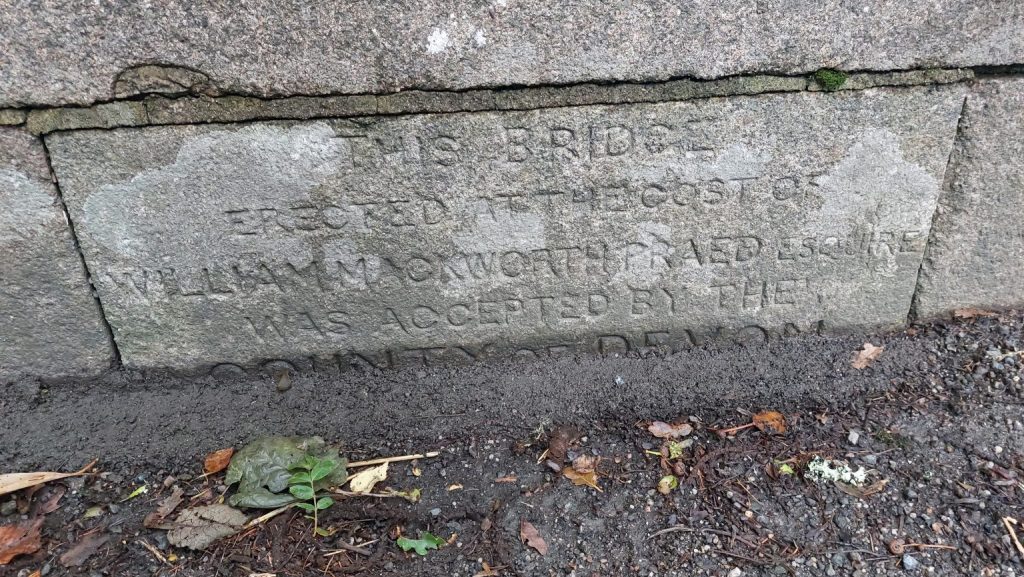
The link between the third house and the fourth house, which was built in 1859, is Anne Parker (previously Praed, nee Hayes), who was the grand daughter of Ann Hayes. She was the widow of William Mackworth Praed, who was well known as a barrister on the Western Circuit, and a judge of the County Court. Praed was a considerable benefactor to the parish, by making and improving the roads and by building bridges where fords only existed. One such structure is Piall Bridge which was built in 1844, with the cost being borne by Praed. Anne Praed, married Captain George Parker, who afterwards held the rank of Admiral and was for many years Master of the Dartmoor Hounds.
This post does not cover the house in detail (except the historical narrative above), but has been created after the author found evidence of the (probable) water sources for the estate and house. Although the evidence of all the sources of the water supply in this post aren’t 100% conclusive, the author is indebted to Andrew McAuley for providing some (second hand) information which seems to link together the various pieces of the jigsaw. If any reader of this post has any further information, the author would be most grateful in receiving this information.
Bibliography
Western Morning News – (26/08/1977) – SDV148188.
English Heritage – (2014) – National Heritage List for England -SDV355683.
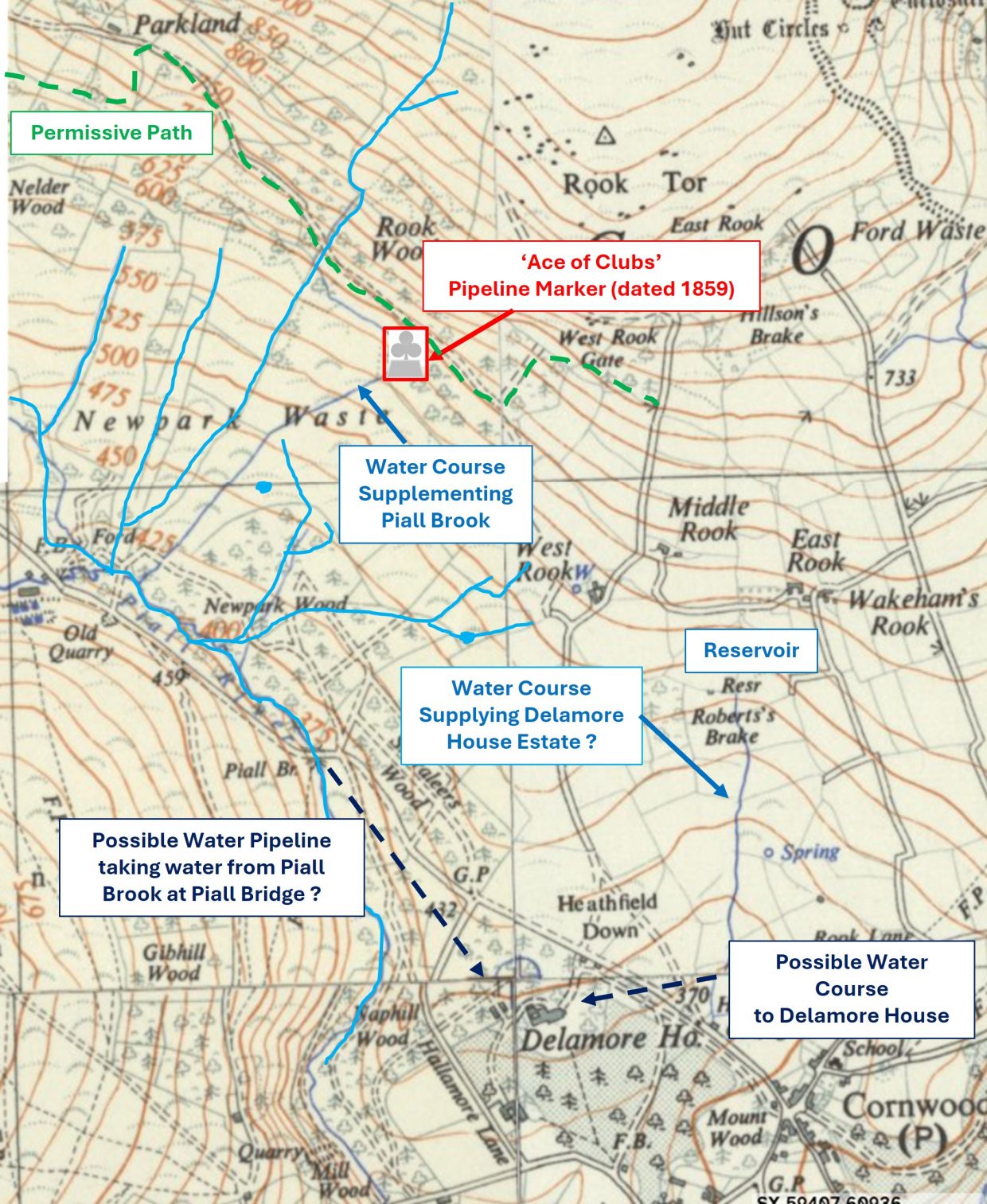
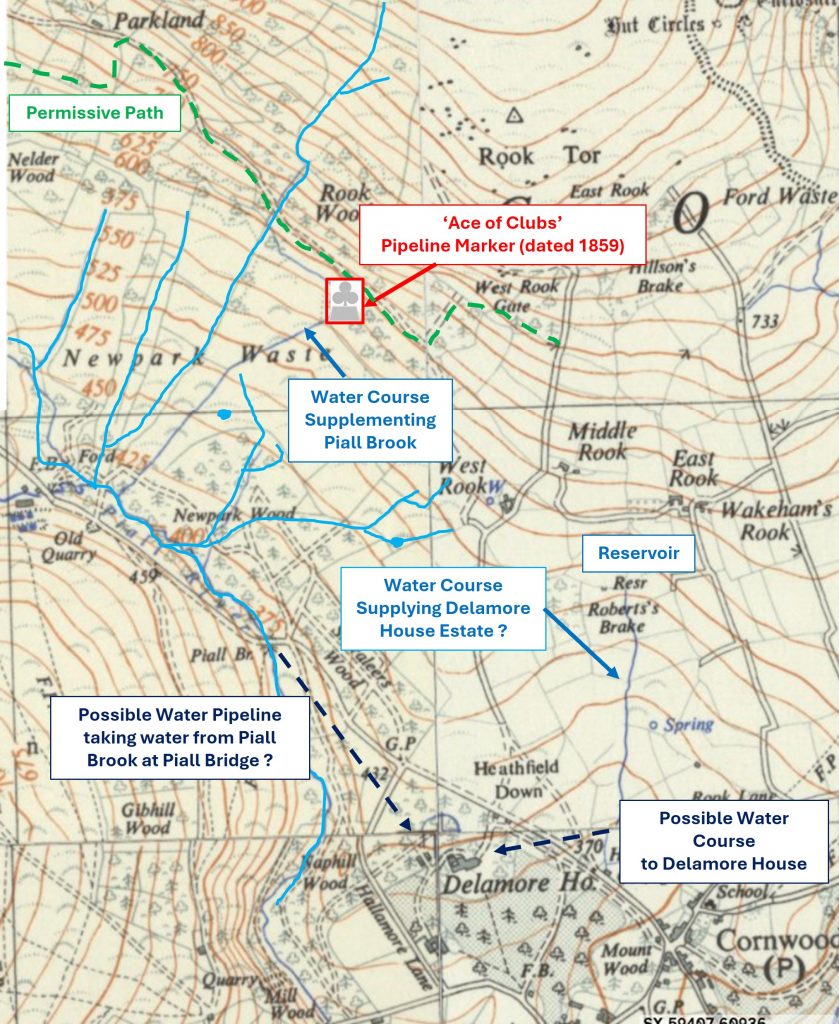
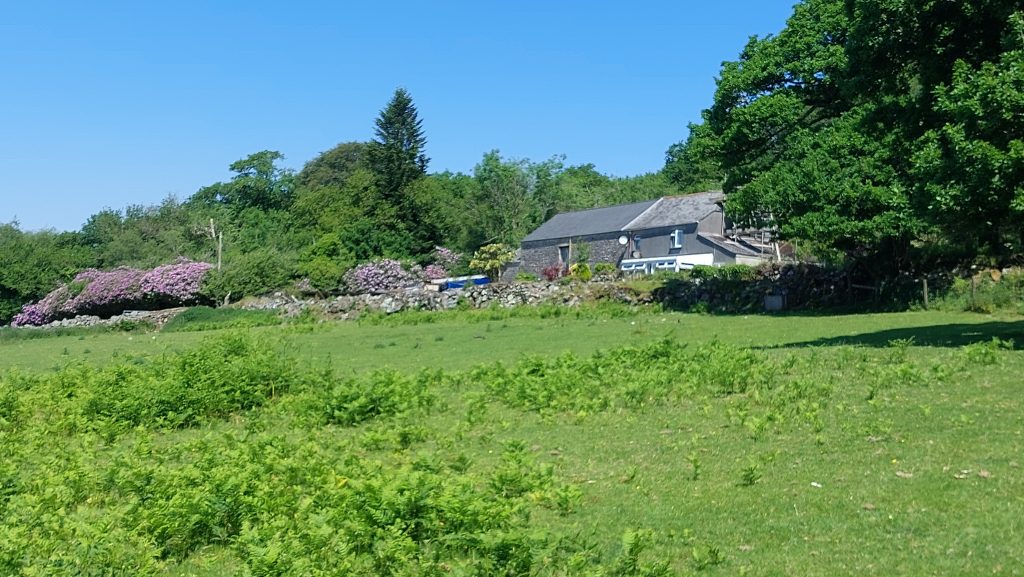
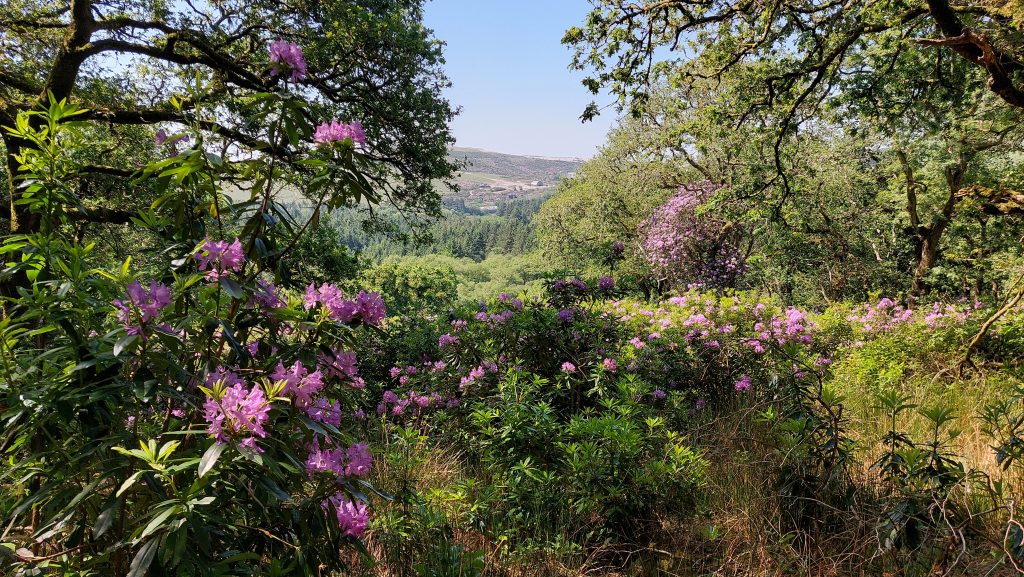
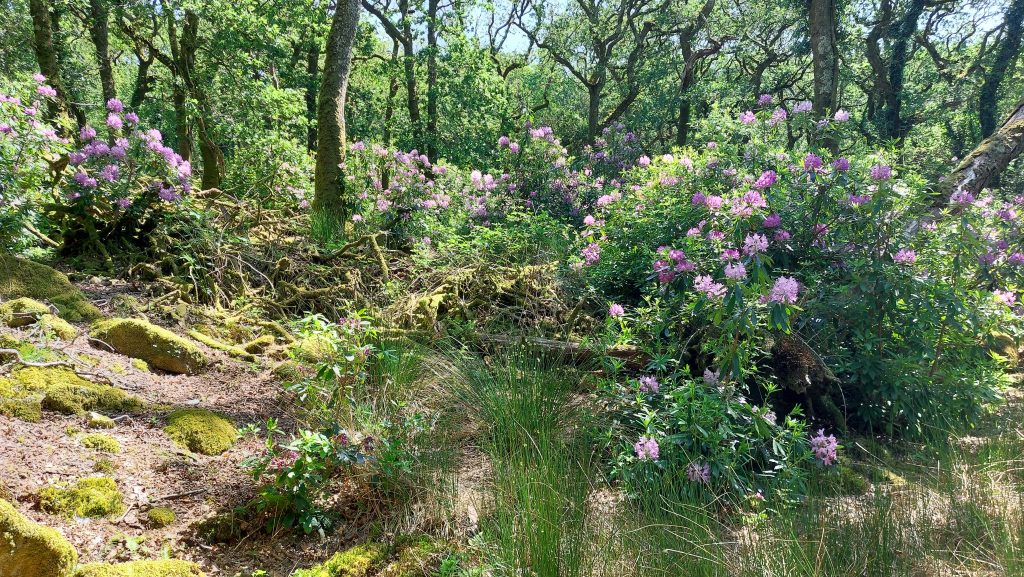
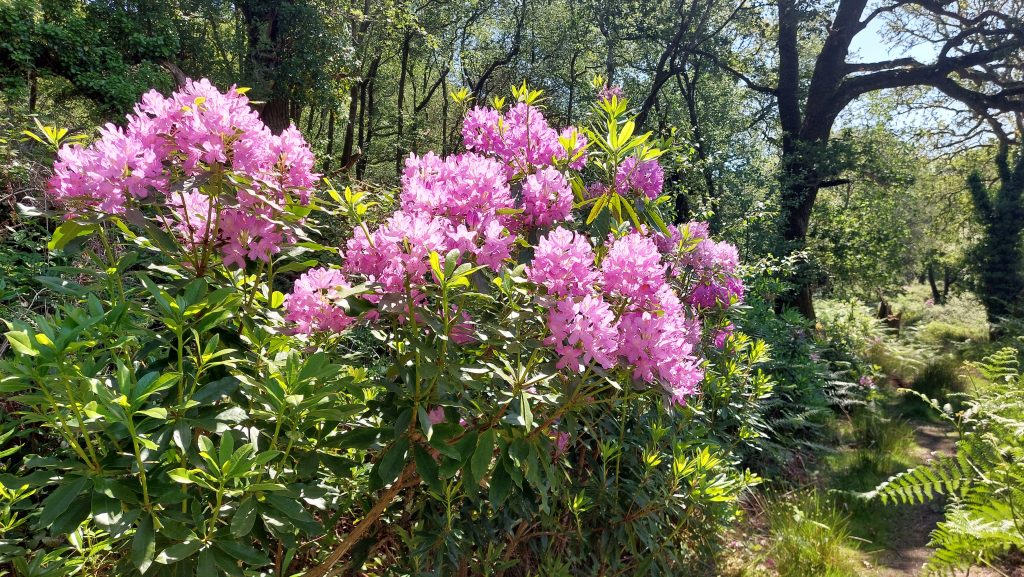
This annotated mid-20th century map, is the authors interpretation of the early water sources for Delamore House and Estate. The author surmises that there were two sources, namely; from the Piall Brook (supplemented by springs through Newpark Waste) and from a reservoir to the south of East and West Rook. One assumes the name ‘Newpark’ is synonymous with being part of the Delamore EstateZoomed in view of Delamore House from near Gibhill Cottages. The house and grounds are not normally open to the public but each summer there is an arts exhibition held here.The first piece of evidence of the water supply for Delamore can be seen from the permissive path which passes by Parkland (above) and runs towards West RookNewpark Waste from the permissive path which in May (time of the photograph) feature many ancient Rhododendrons and AzaleasNext to the permissive path. The Delamore extensive gardens also feature ancient Rhododendrons and Azaleas
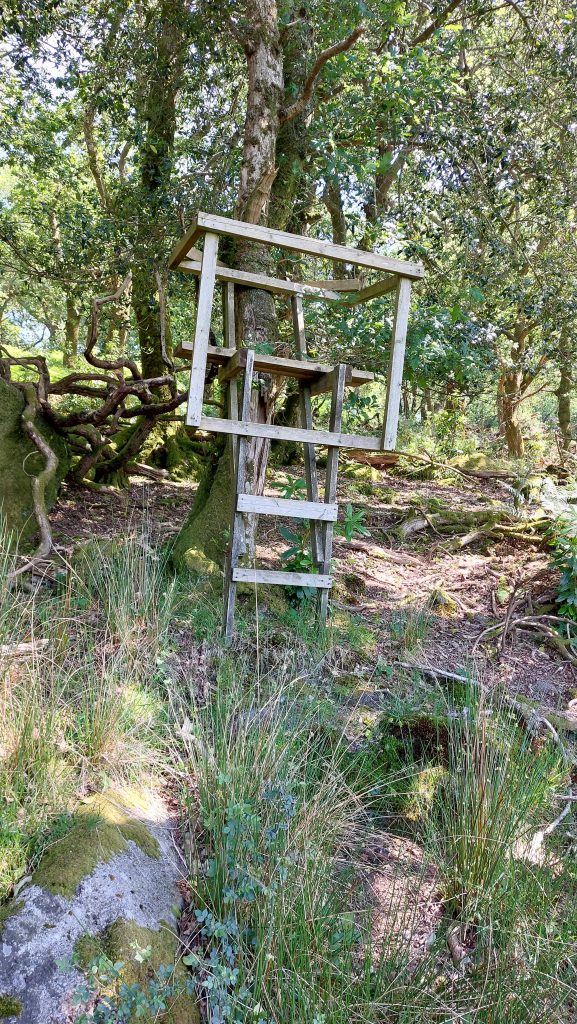
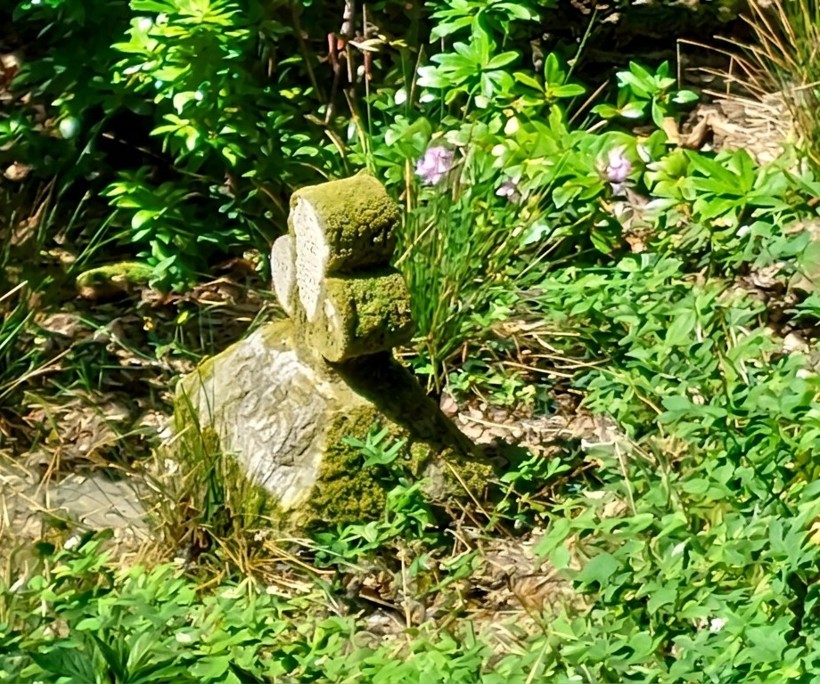
Structure next to the permissive path at SX59754 61366
Beautiful May colour along the permissive path
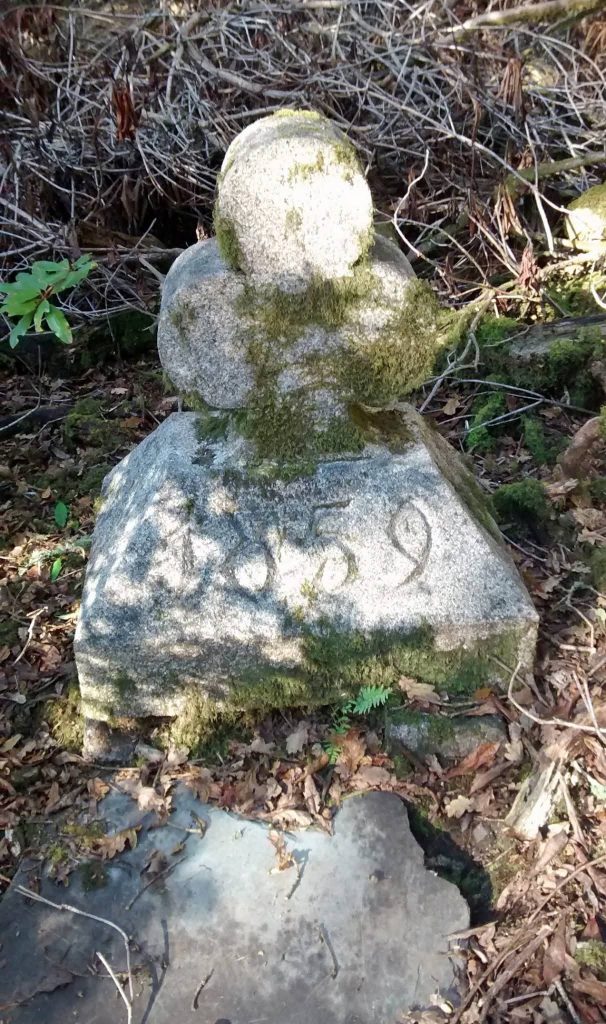
Some 30 metres or so down from the permissive path, the above ‘ace of clubs’ pipeline marker can be seen. Andrew McAuley (via Dartmoor Information Exchange Facebook Page) told the author: “The landowner was told me that it marks the old water pipe supply to the Delamore estate, but as the pipe is lead they no longer use it except for a fountain in the garden”. As Andrew further stated “It looks quite ornate for such a mundane purpose”. The grid reference on the permissive path where the structure can be seen is SX59824 61308.
The above photograph is from ‘Dan-in-a-Van’. The date of the structure (1859) was the year when the fourth Delamore House was built, which neatly ties in the evidence covered here. Using National Library of Scotland Maps (1956 OS Map) at SX59821 61244 there is a 90 degree bend in a ‘blue’ line feature (pipeline) which more or less ties in with where the pipeline marker is located. The ‘blue’ line appears to provide supplemental water to Piall Brook
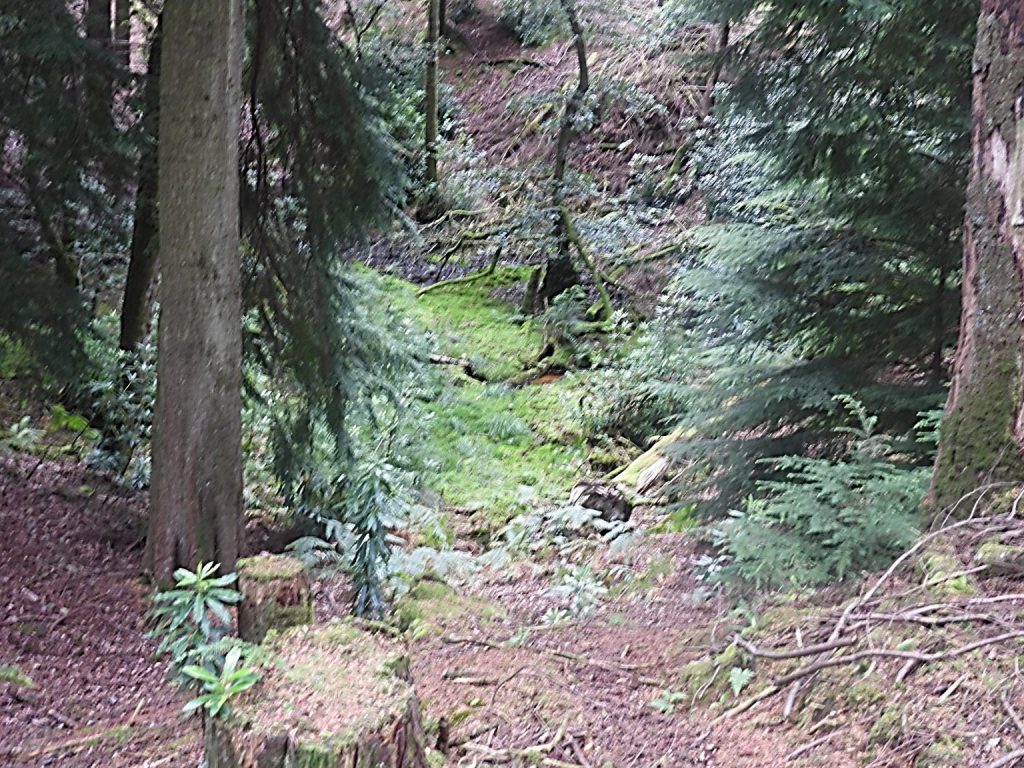
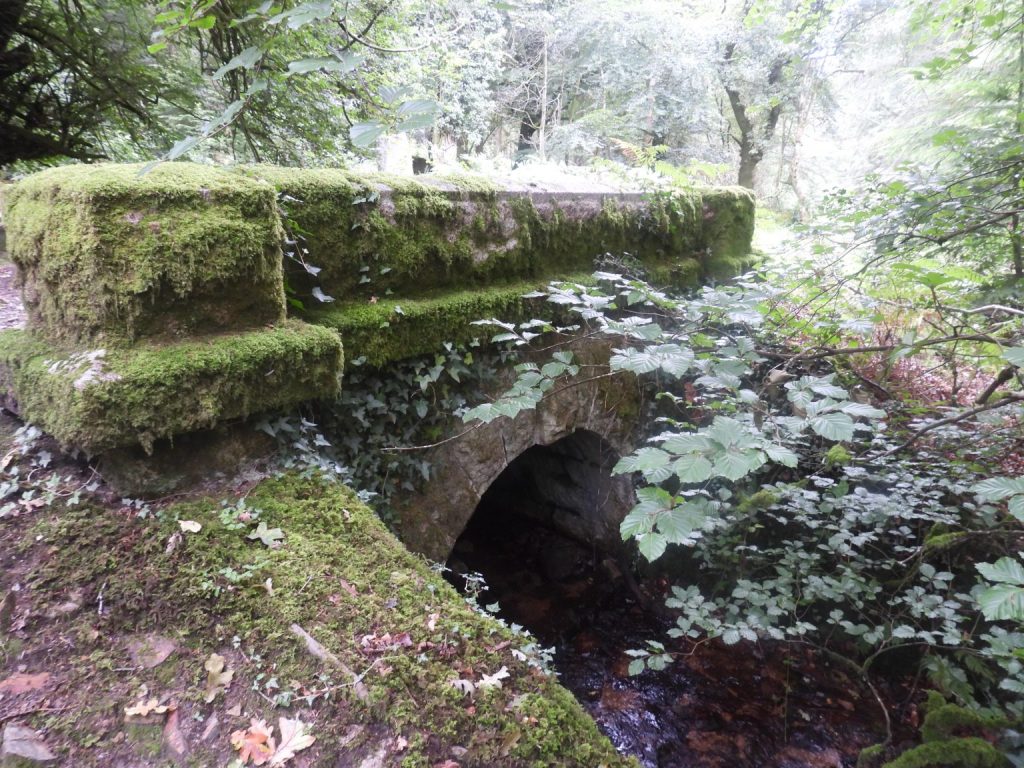
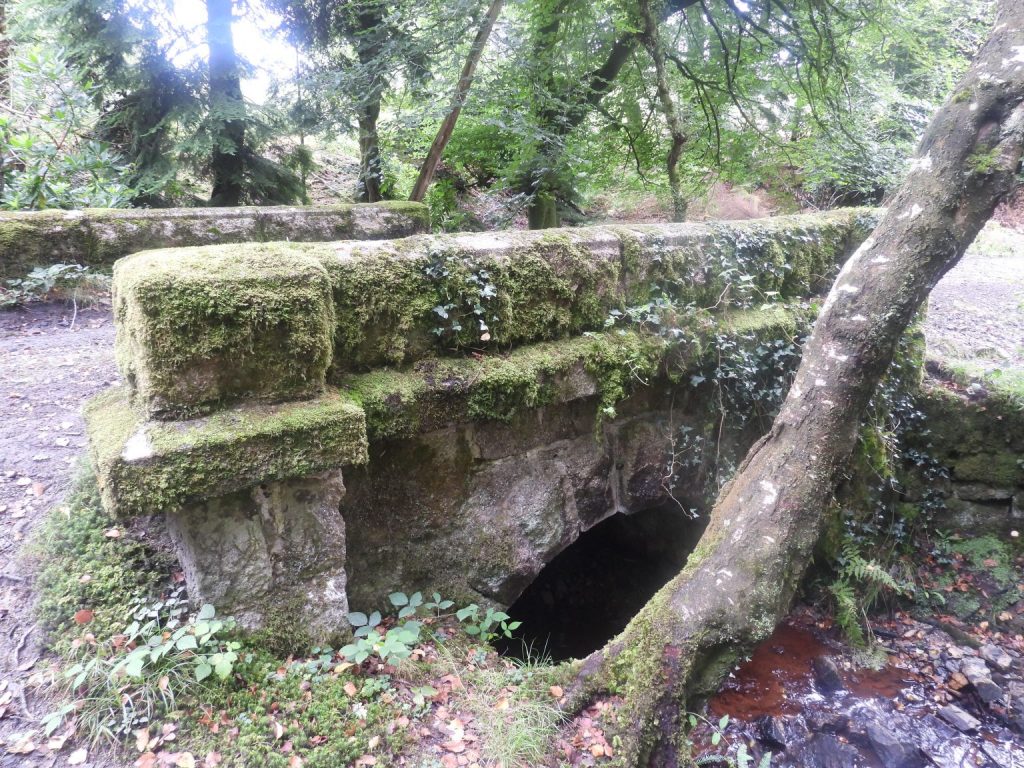
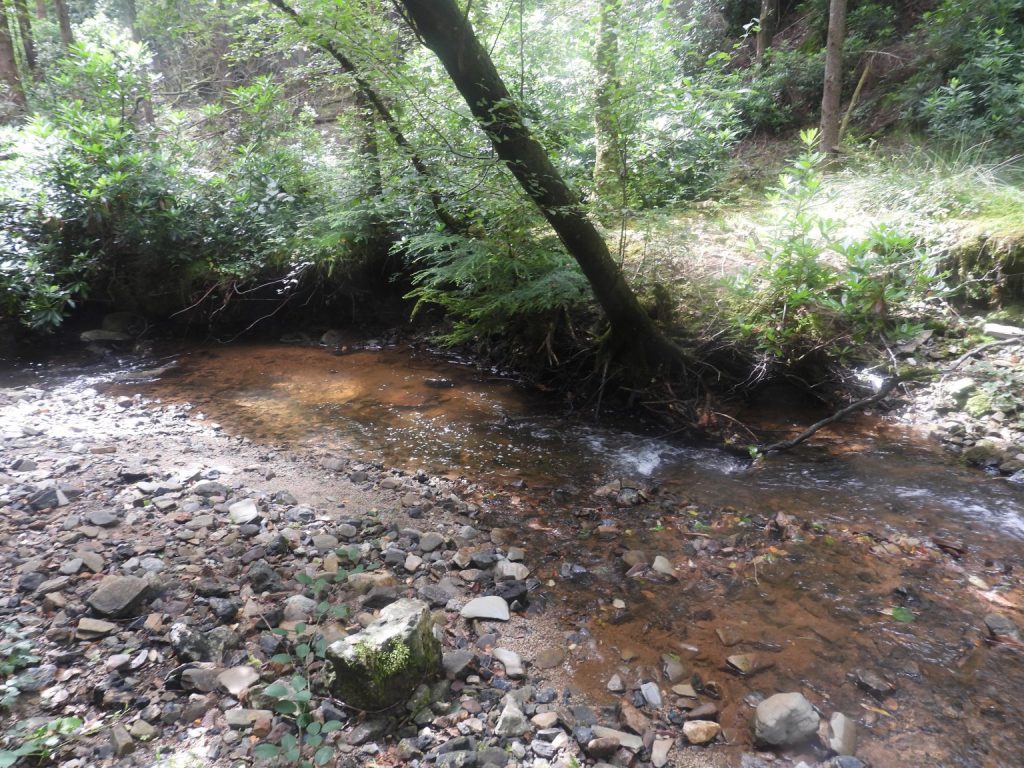
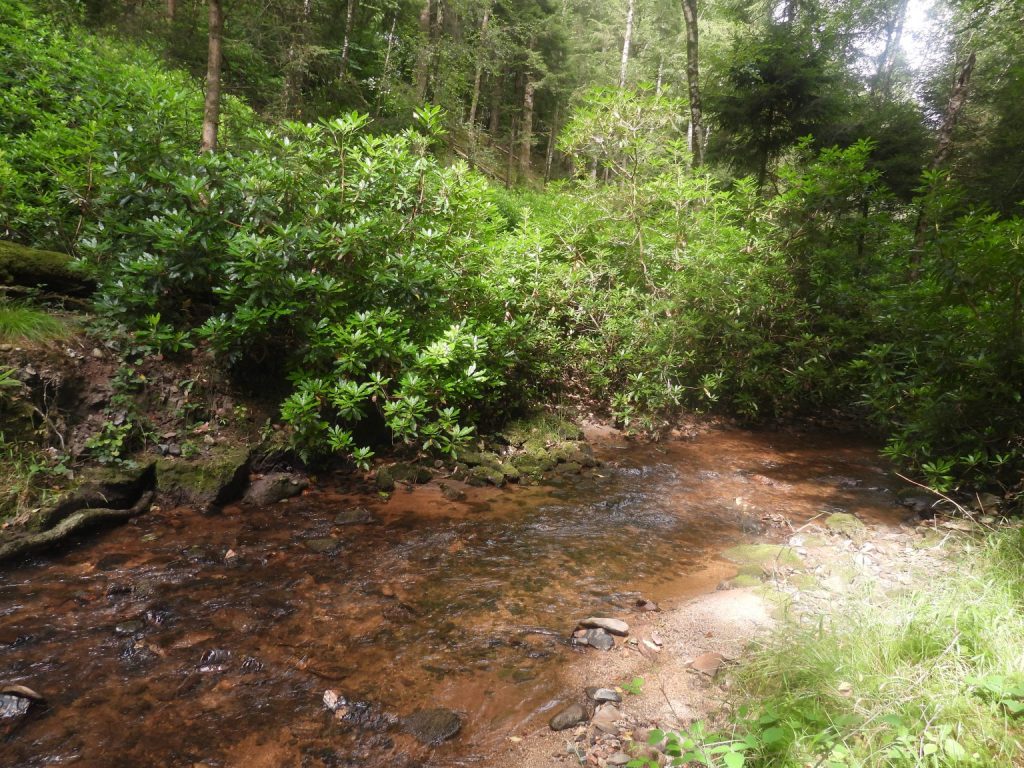
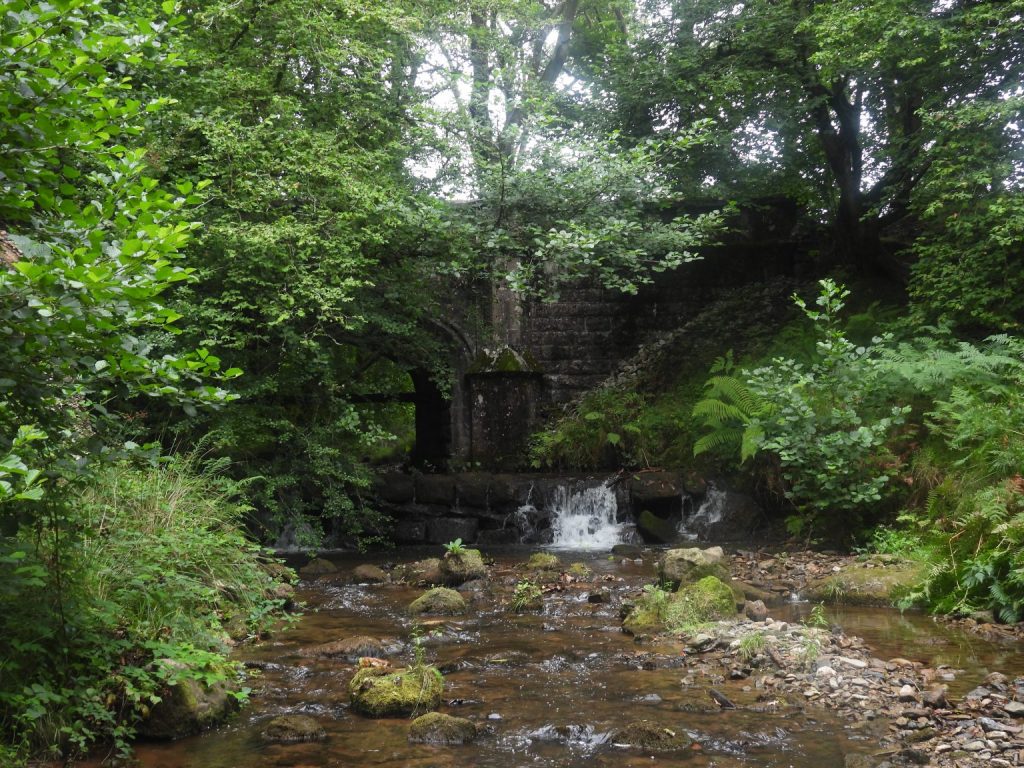
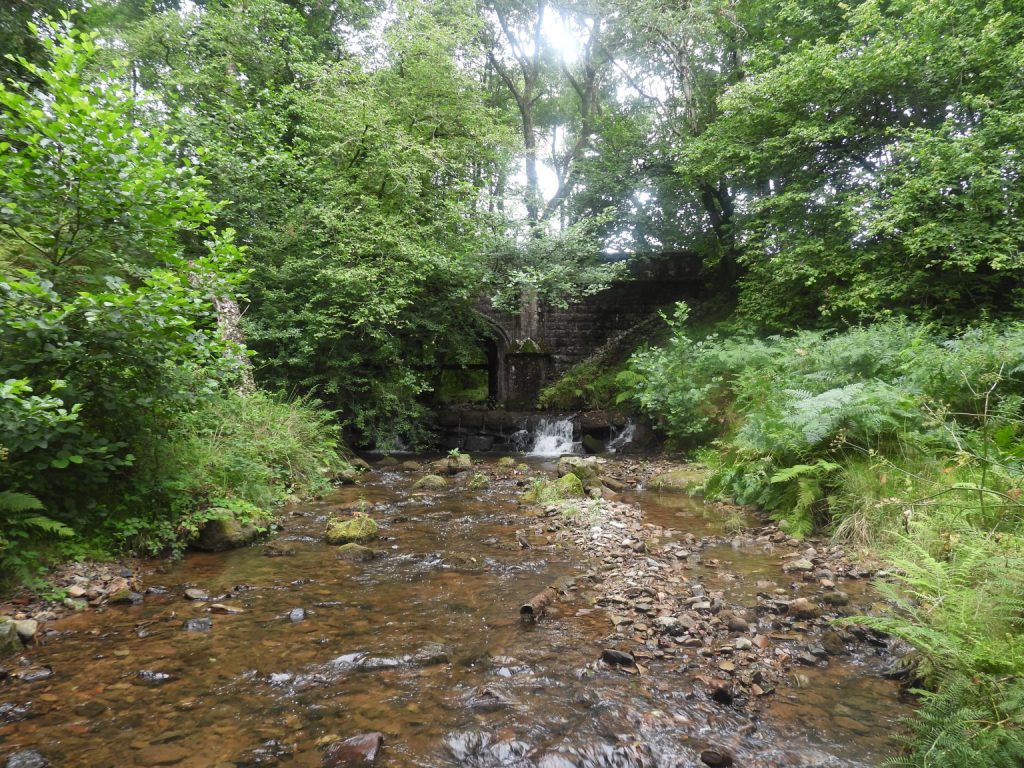
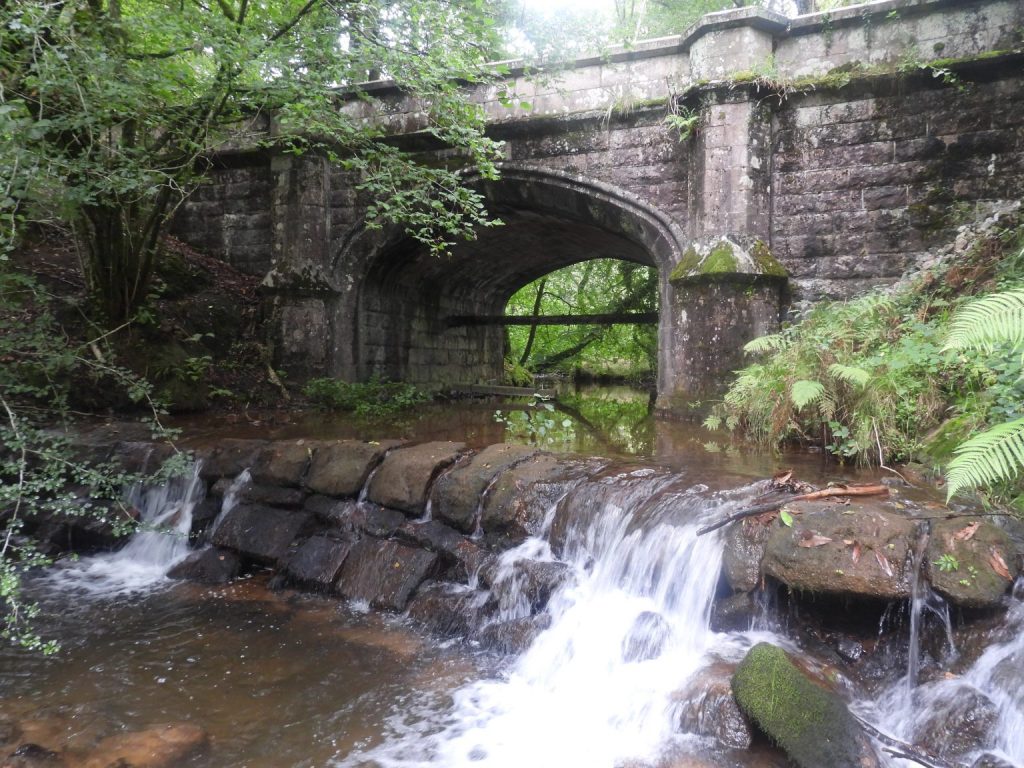
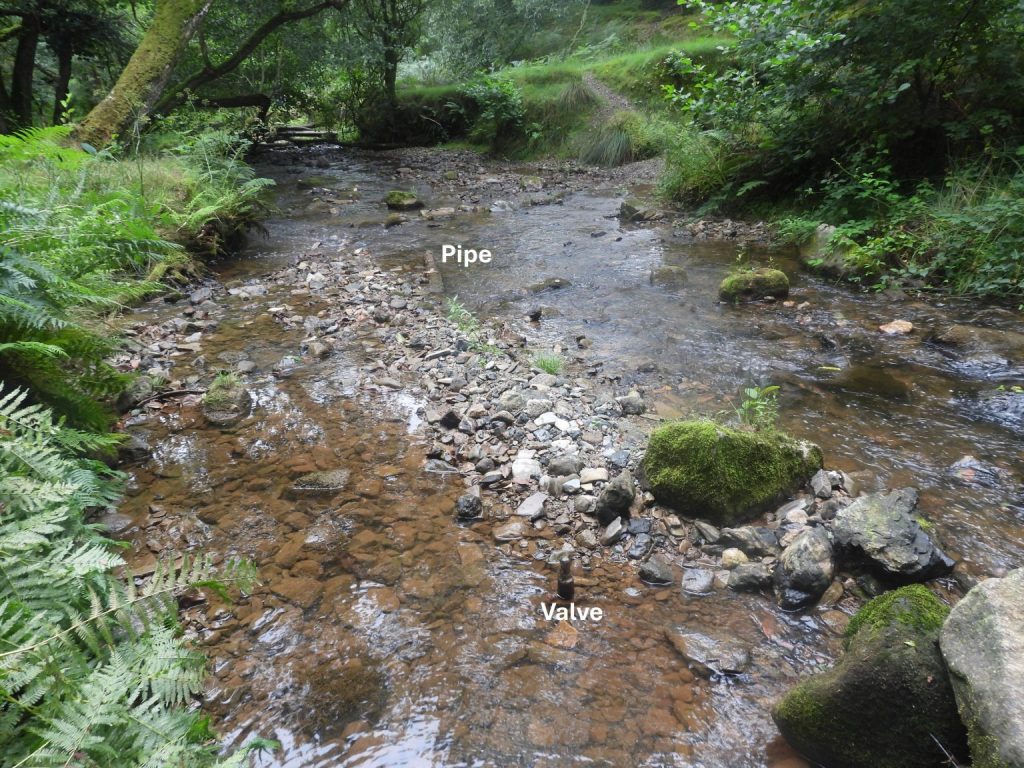
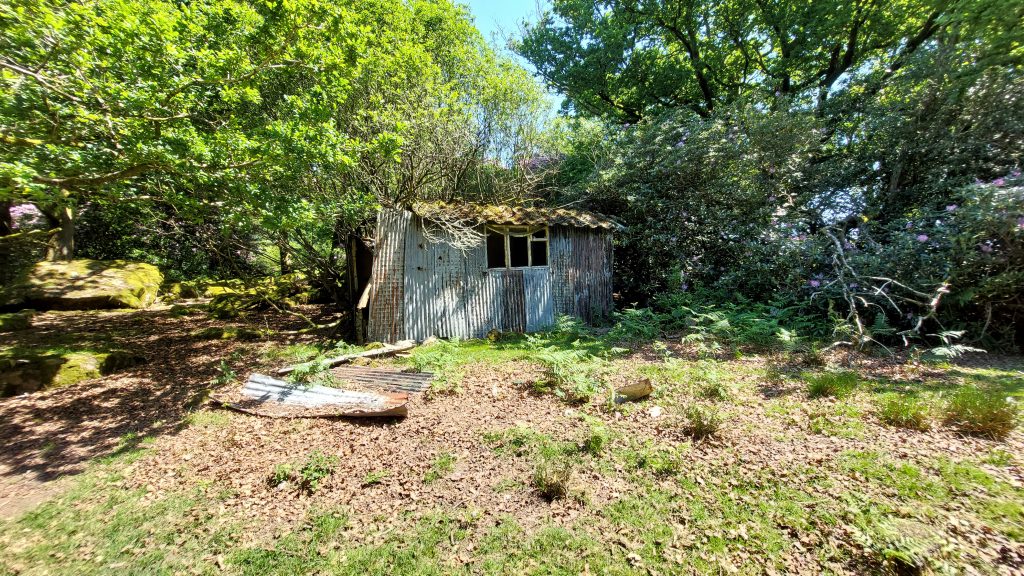
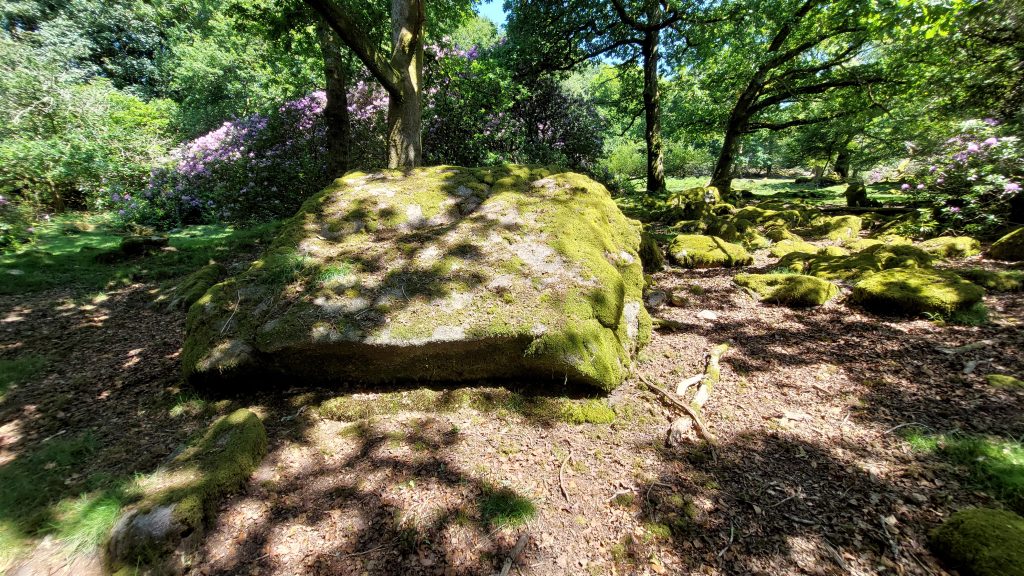
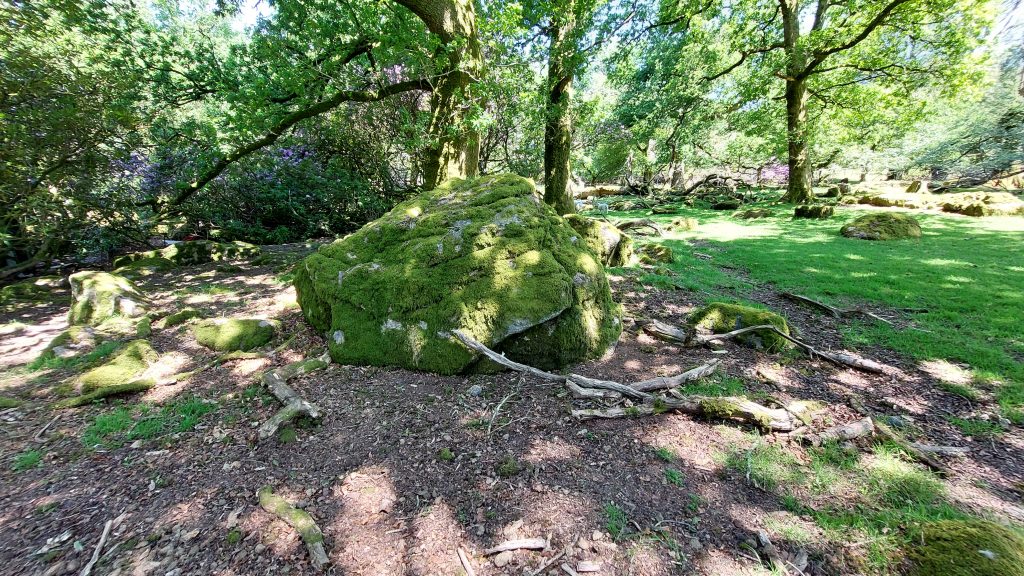
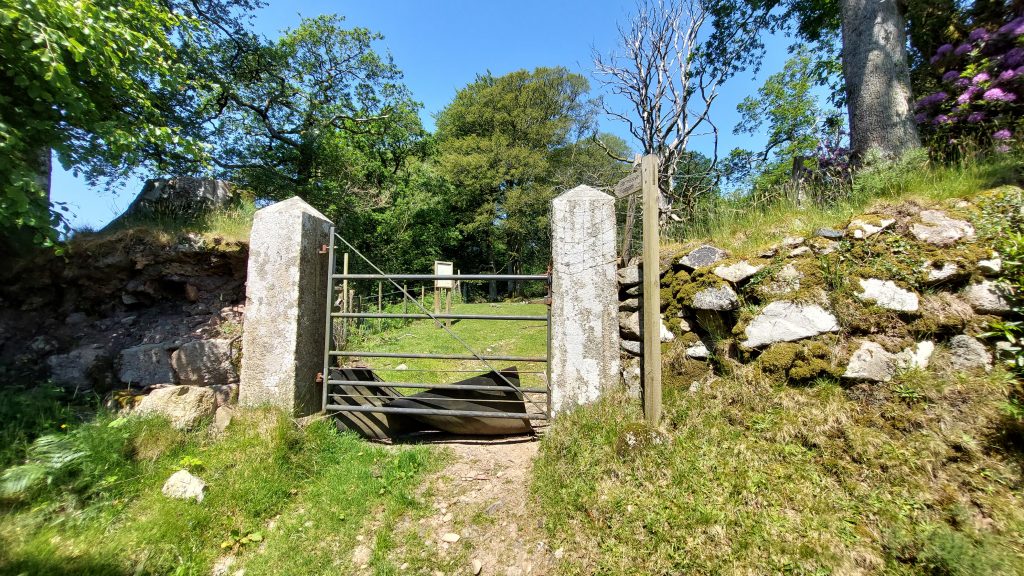
A small tributary of the Piall Brook flows through some deep tinworkings in Newpark Waste.In Newpark Wood there are three several rather ornate bridges over tributaries of the Piall Brook. A supposition is that these were built as part of the 19th century house and garden renovations at Delamore. Indeed, the construction of the bridges do suggest they were intended for ornamental effect as much as regular use. This bridge is located at SX59323 60854This bridge is slightly smaller than the two others in the wood and measures 2.5 metres wide by 3.0 metres span. This bridge is located at SX59485 60705Piall Brook in Newpark WoodPiall BrookPiall Bridge – constructed in 1844Note that below (south) of the bridge there is a weir and below that is a ‘valve’ and a ‘pipe’. Is this evidence of a water supply for Delamore House and Estate ?Weir below Piall BridgePipe and Valve. The author surmises that the Piall Brook once supplied water to Delamore, which itself was supplemented by springs / water in Newpark Waste.The plaque on Piall Bridge is inscribed : “THIS BRIDGE / ERECTED AT THE COST OF / WILLIAM MACKWORTH PRAED ESQUIRE / WAS ACCEPTED BY THE / COUNTY OF DEVON”. The bottom of the plaque is now covered by the road surface and a date, if there is one, is obscured. That said, it is known the bridge was constructed in 1844. William Mackworth Praed was the husband of Anne, who with her second husband had Delamore House re-built in 1859Back to the permissive path. Near West Rook is this tumble down building which perhaps once served a purpose for the Delamore Estate. Near the tumble down building are a couple of large granite rocks, a tor in the making no doubt. SX60258 61235More graniteOrnate gateposts into the Delamore Estate. Money didn’t appear to be of concern in the 19th centuryBenchmark on one of the pillars at SX60314 61147