A collection of walks, discoveries, insights and pictures of exploring Dartmoor National Park
October 19, 2026
Tigers Marsh – USAAF 8th Air Force B17 Flying Fortress Crash Site and Memorial
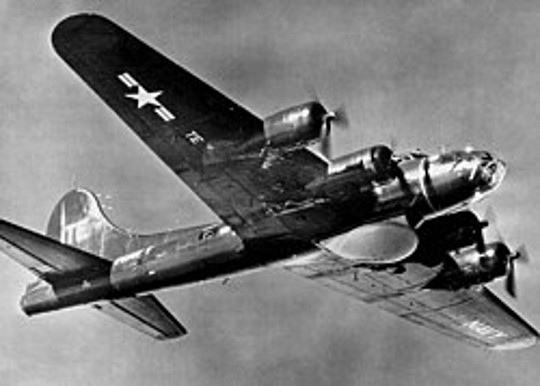
On Christmas Day 1943, a B-17G Flying Fortress (42-37869) of the 8th Army Airforce / 517 Met Sqn RAF crashed in poor visibility at Tigers Marsh (which isn’t shown on OS Maps) near the head of the river Lyd.
Leading up to the crash, the aircraft had been to a sortie on a routine weather reconnaissance mission in the western approaches, taking off from St. Eval in Cornwall earlier in the day. Weather reconnaissance / meteorological surveys were being made as part of the war effort leading up to D-Day in June 1944. The weather was poor on Christmas morning 1943 with low cloud over the survey area and to compound matters the aircraft after only two hours of flying developed an overheated engine which had to be shut down. Running on only three engines the aircraft returned to St. Eval where an oil filter was replaced on the malfunctioning engine and the aircraft was refuelled. Being Christmas Day, in spite of the poor weather the crew, who comprised of seven Americans and one British, decided they would prefer to have their Christmas dinner at their home base at Cheddington in Buckinghamshire rather than accept the hospitality of St. Eval. The one British crew member (Sgt Basil Browne) had wished to stay in Cornwall, but nevertheless the pilot, Captain Ernest Patterson decided it was worth a try, in spite of the weather being poor to get back to the home base which was only an hour away.
The direct route from St. Eval to Cheddington would take the aircraft over Dartmoor. Sgt Browne, in spite of his job that day already having been completed (as he was the only meteorologically trained member of the crew) decided he’d use a borrowed map to spot locations on the journey from his usual position in the nose of the aircraft. A short way into their journey there must have been a small break in the clouds as he (Browne), identified a track over Dartmoor at 1800ft (550m) and knew they were flying at only 1200ft (370m), so via the Navigator the information was relayed to the pilot, who was using a radio altimeter. Shortly afterwards the aircraft began to climb but it wasn’t nearly quickly enough and the aircraft struck the hillside before bouncing a considerable distance over the disused Rattlebrook narrow-gauge tramway line before finally striking the ground again on the soft peaty ground at Tigers Marsh.
Sgt Browne was catapulted through the Perspex nose of the aircraft and was rendered unconscious, his only injury being a broken wrist. The Pilot (Lt. Patterson) and Co-Pilot (Lt. Raymond Coats) also survived but had been badly burnt. Sadly, the other five members of the eight crew died in the crash. They were: Richard T.Neary (Navigator), Sherwood R.Renner (Engineer), Samuel L. Craig (Radio Op/A.G), Mario A.Panetti (Radio Op/A.G) and Albeny J. Blanchard (Air Gunner). There have been at least three memorials at the crash site (to the authors knowledge), one brass, one alumimium and the last one being a more permanent stone which was installed in May 2022. The memorial stone (along with one at West Okement Valley for a US Navy PB4Y-1 Liberator 63926 of VB-110 crash) was brought to the location by a Royal Navy Commando helicopter. The timing of the installation was to enable formally dedication of the stone(s) ahead of the 80th anniversary of the two crashes, which occurred only three days apart.
Given the date of the crash, this site has a special significance for remembrance and reflection for the author, whenever a visit is made. We will Remember Them – Rest in Peace Spirits – Thank You for your Service
Bibliography
Robert Jones – (2015) – Dartmoor Air Crashes – Aircraft lost in World War Two (Pages 81-87)
Graham Lewis – (2016) – Wings over Dartmoor – Military Aircraft Crashes on Dartmoor 1939-1966 (Pages 123-128)
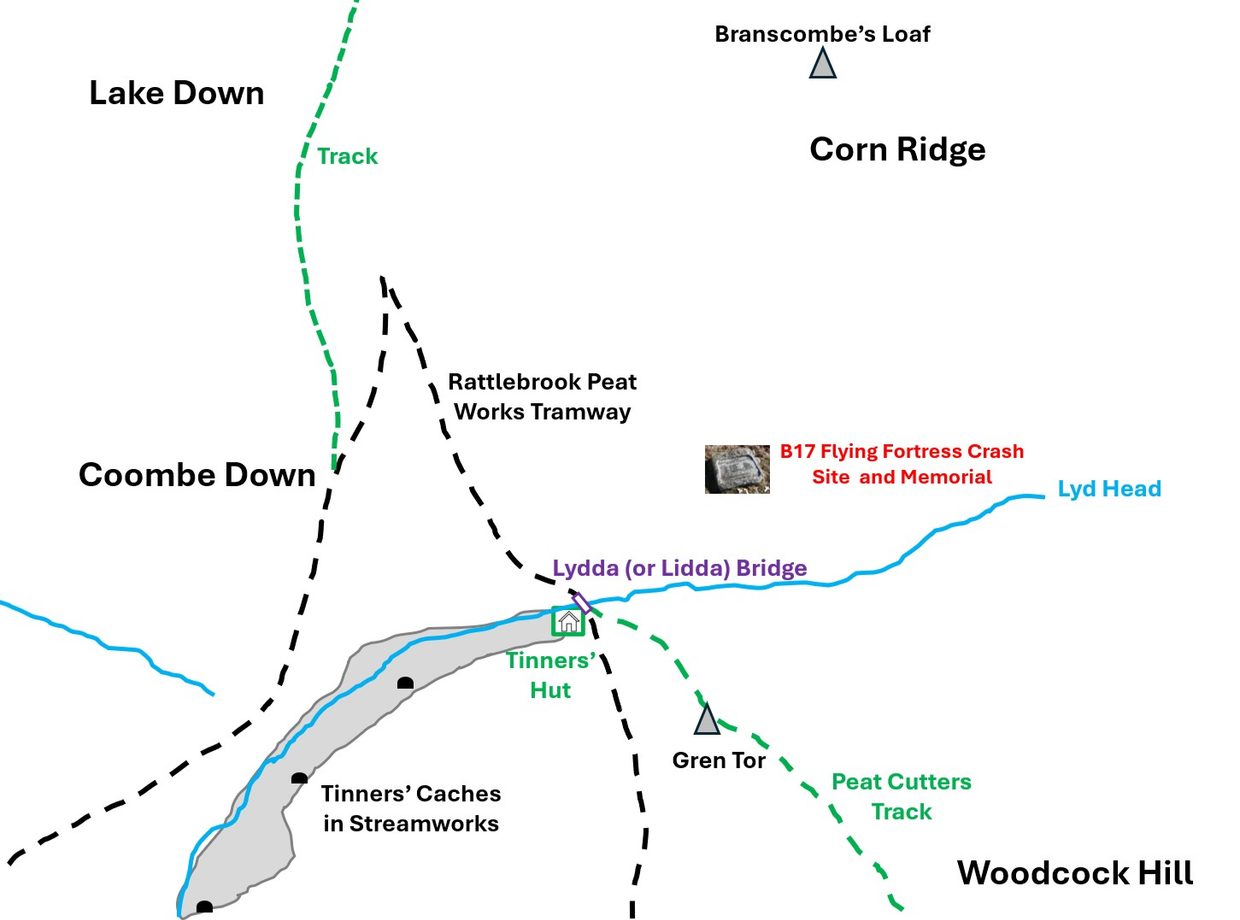
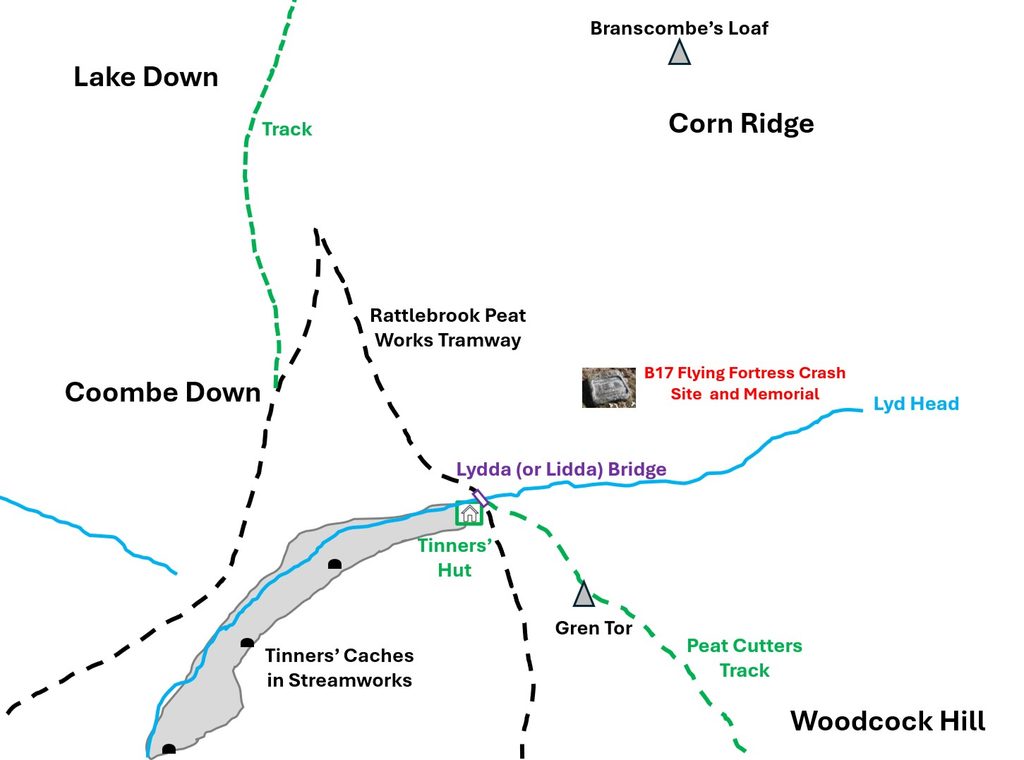
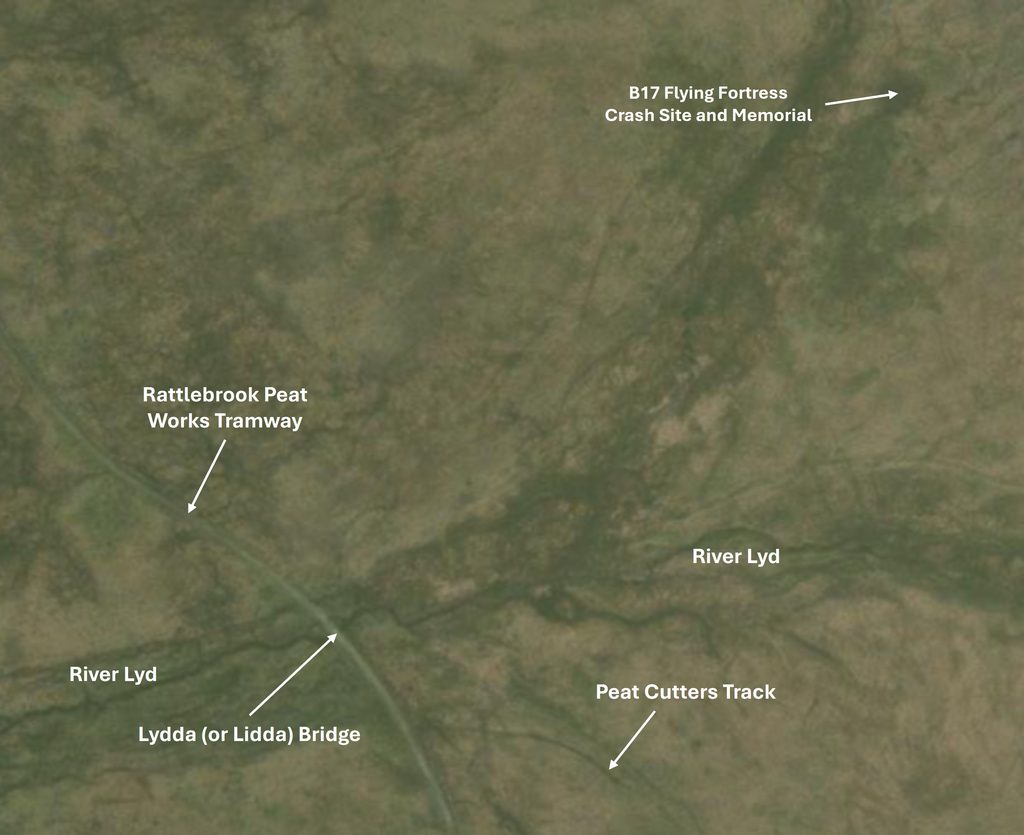
The sketch map shows the B17 Flying Fortress Crash Site and Memorial location in relation to the Rattlebrook Peat Works Tramway and Lydda Bridge over the infant Lyd. The memorial is located at SX55150 88414. Other features of interest in the area includes a Peat Cutters Track, a Tinners’ Hut and three Tinners’ Caches in old StreamworksThis annotated Google Earth map shows the location of the crash site (dark circle) in relation to the nearby features of Lydda Bridge and the Rattlebrook Peat Works Tramway
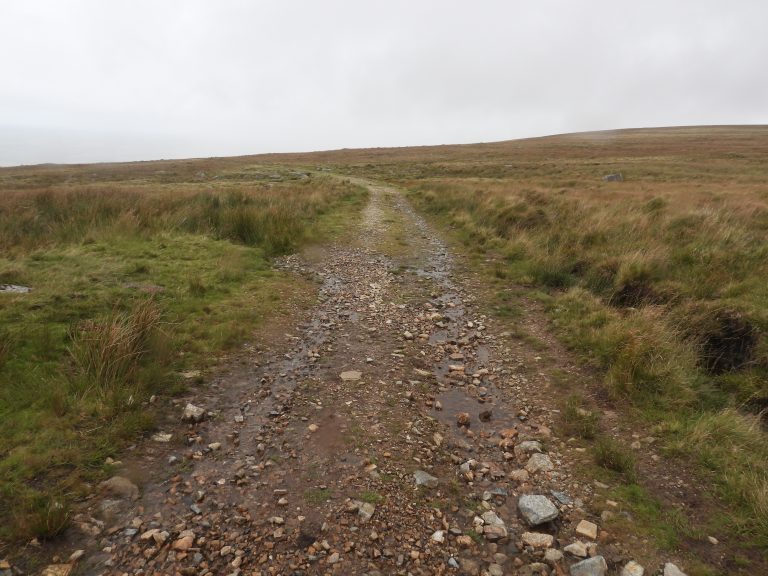
The remains of the bleak Rattlebrook Peat Works Tramway. Lydda Bridge is located at the bend in the tramway and the shallow depression of the infant River Lyd can be seen crossing the track from right (north) to left (south)
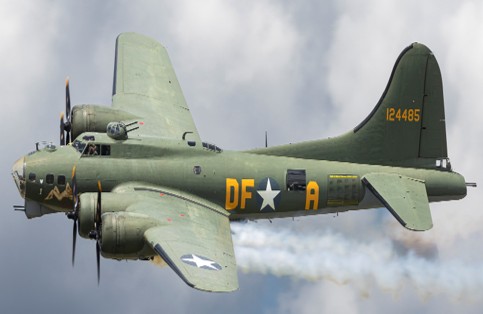
The B-17G. There were 8,680 B17-G aircraft built (from August 1943).
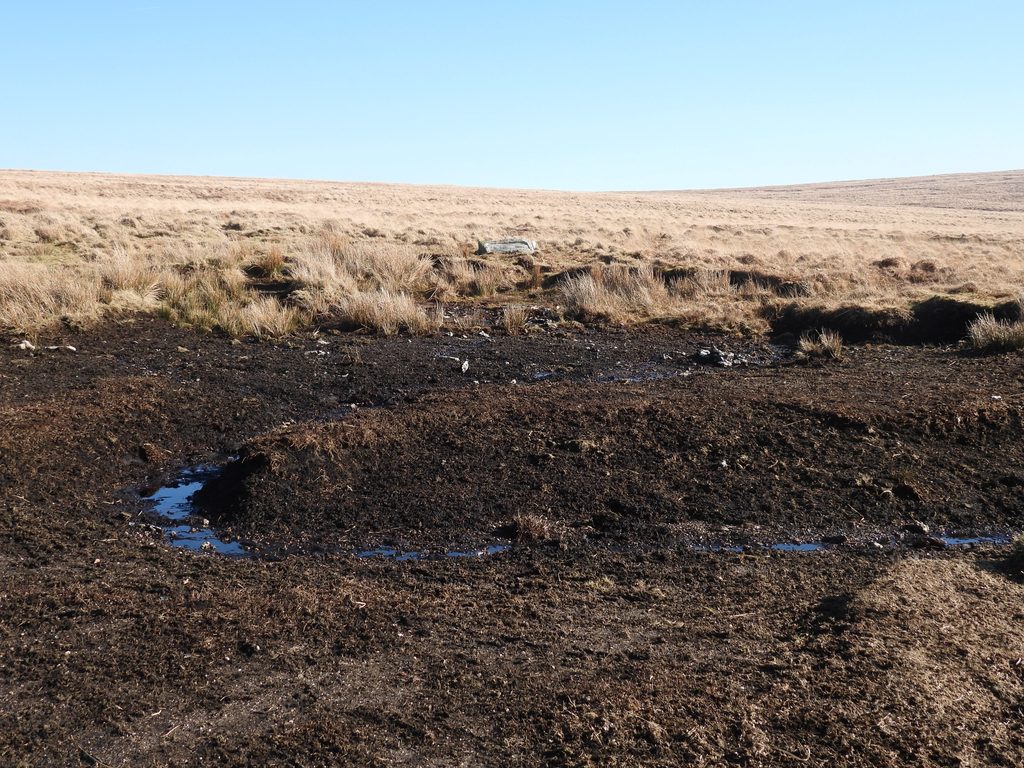
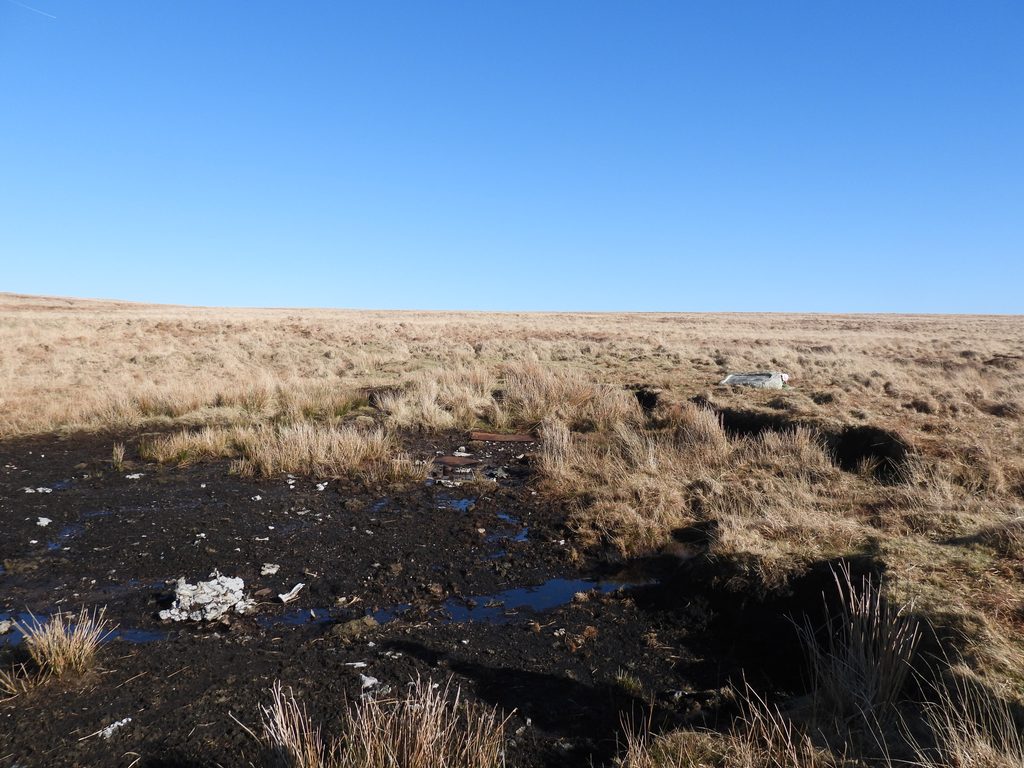
The crash site as viewed from the south. The latest (stone) memorial can be seen across the dark peat ‘scar’
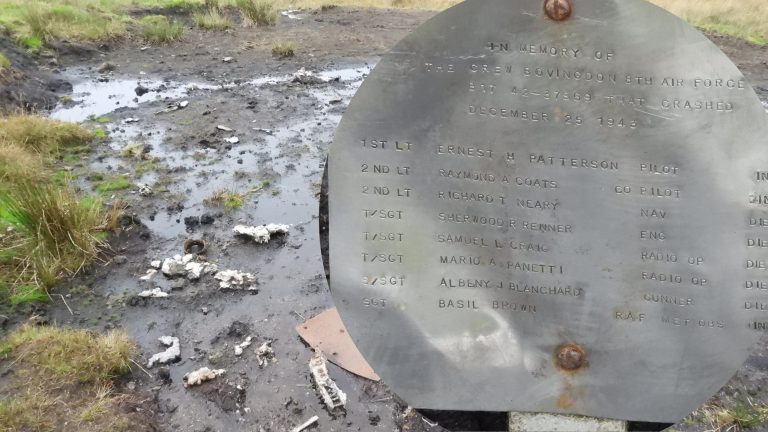
One (of two) of the original aluminium memorial plaques
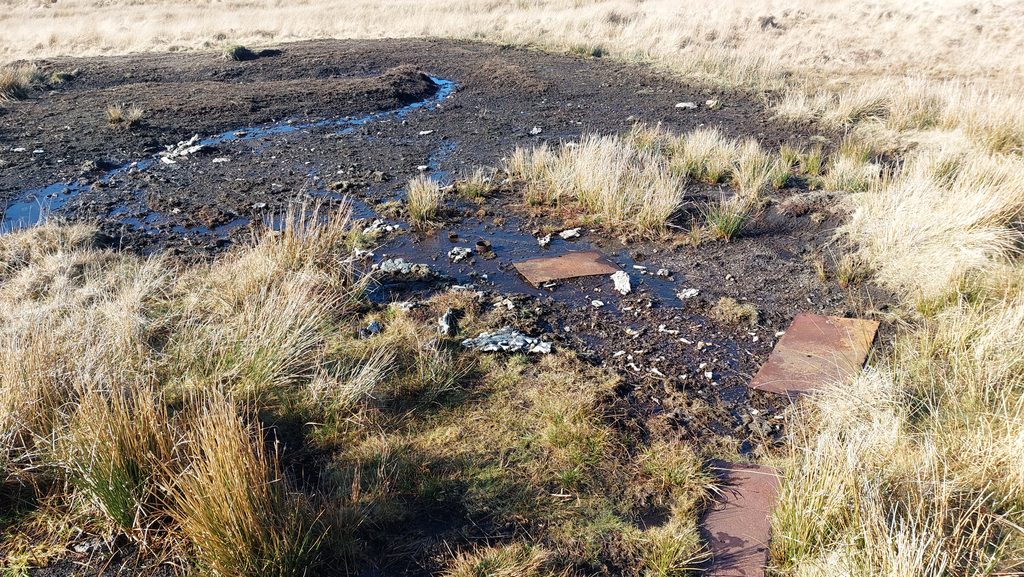
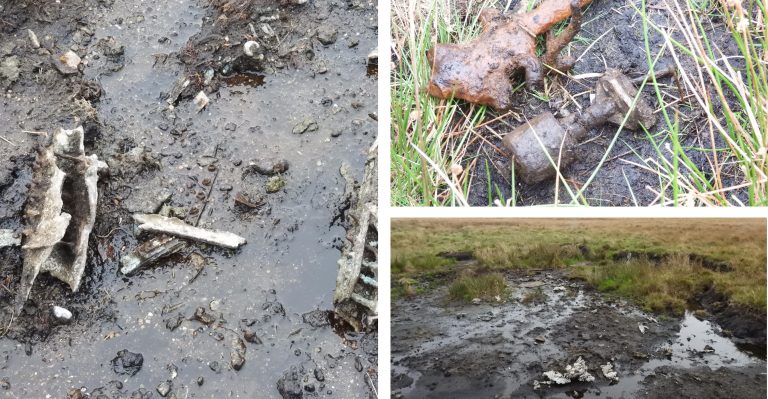
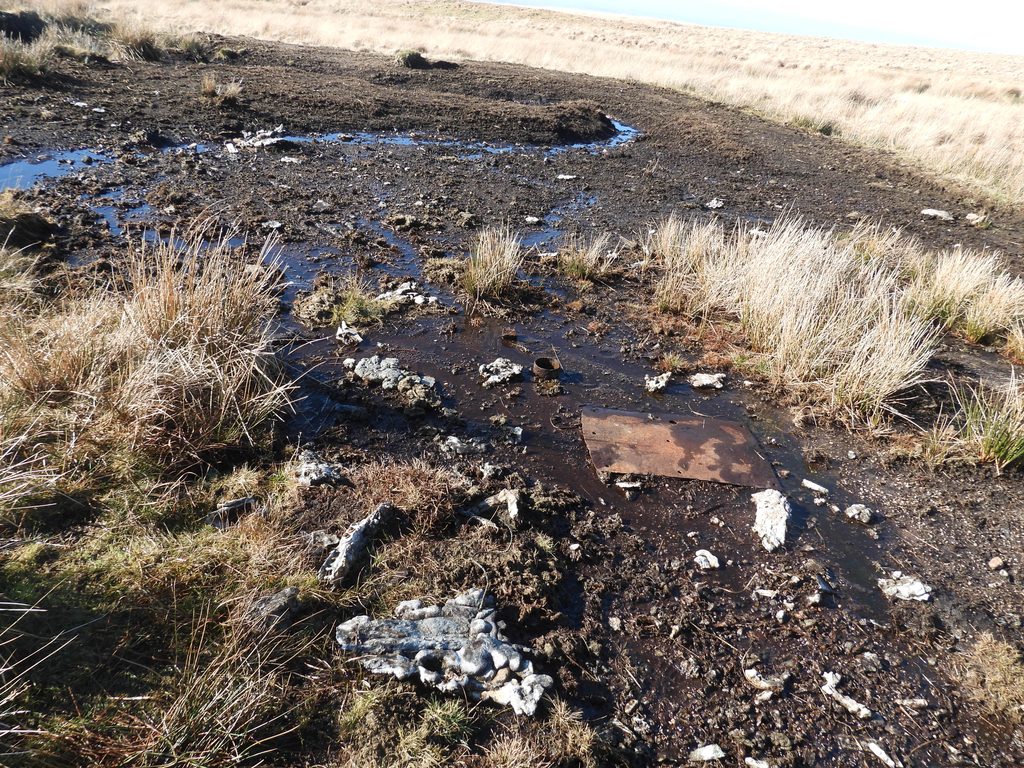
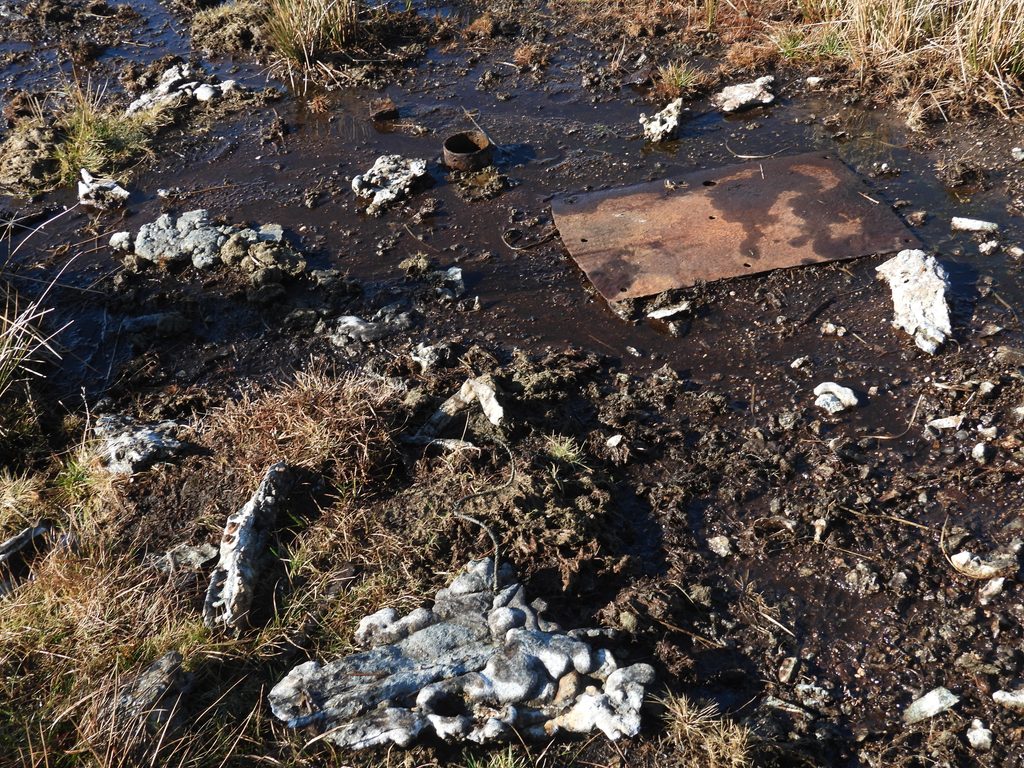
The crash site still contains quite a lot of debris, even after the passing to over 80 years. The amount of debris appears to be dwindling as the years pass
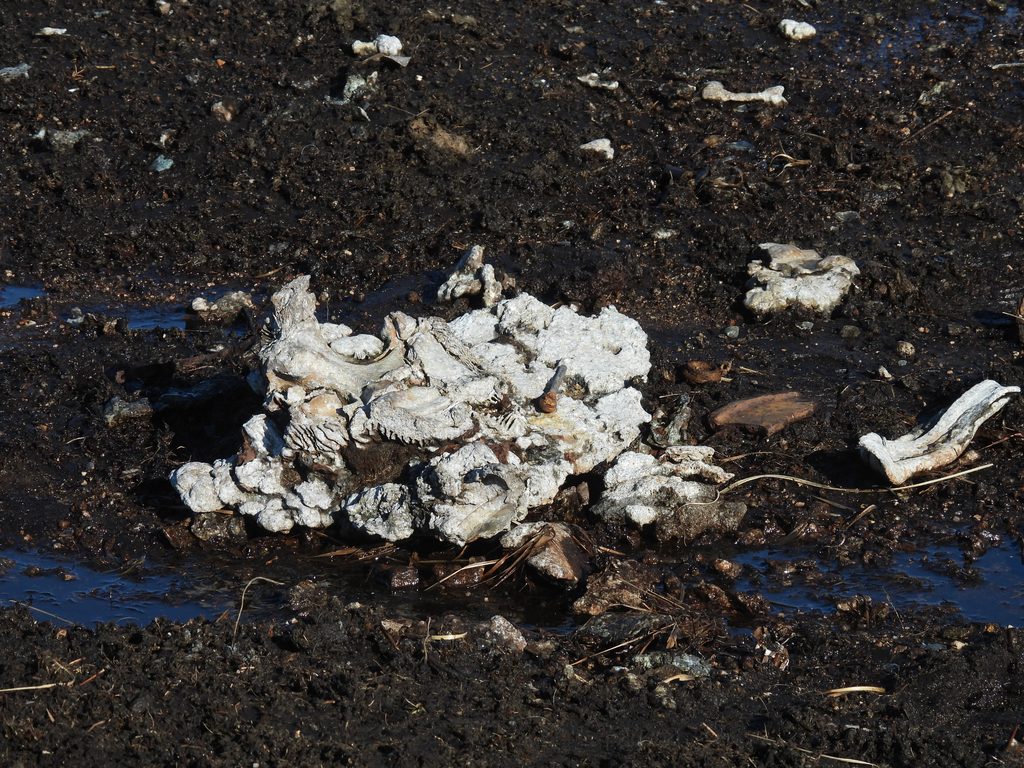
Close up of some of the debris left from the crash
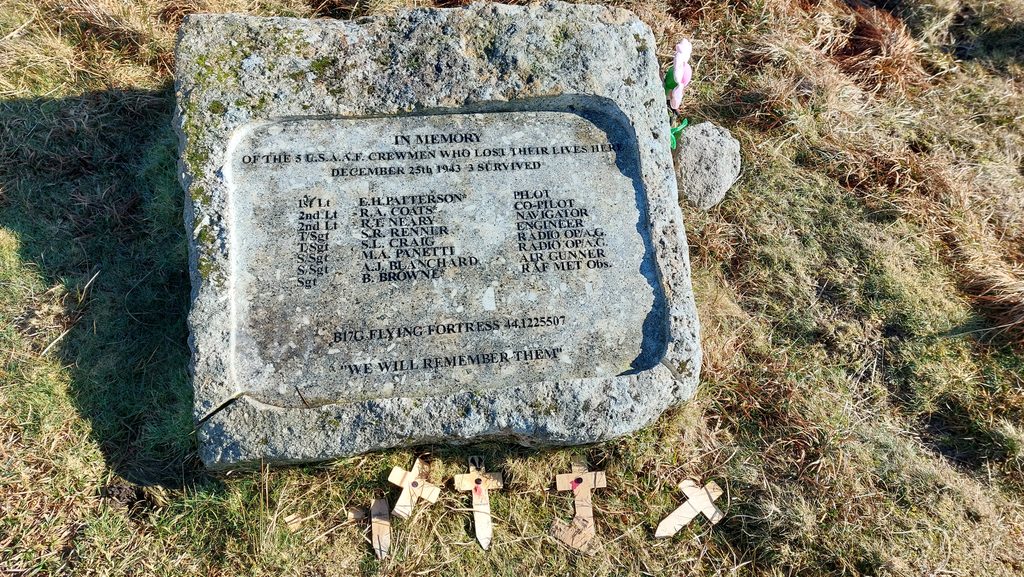
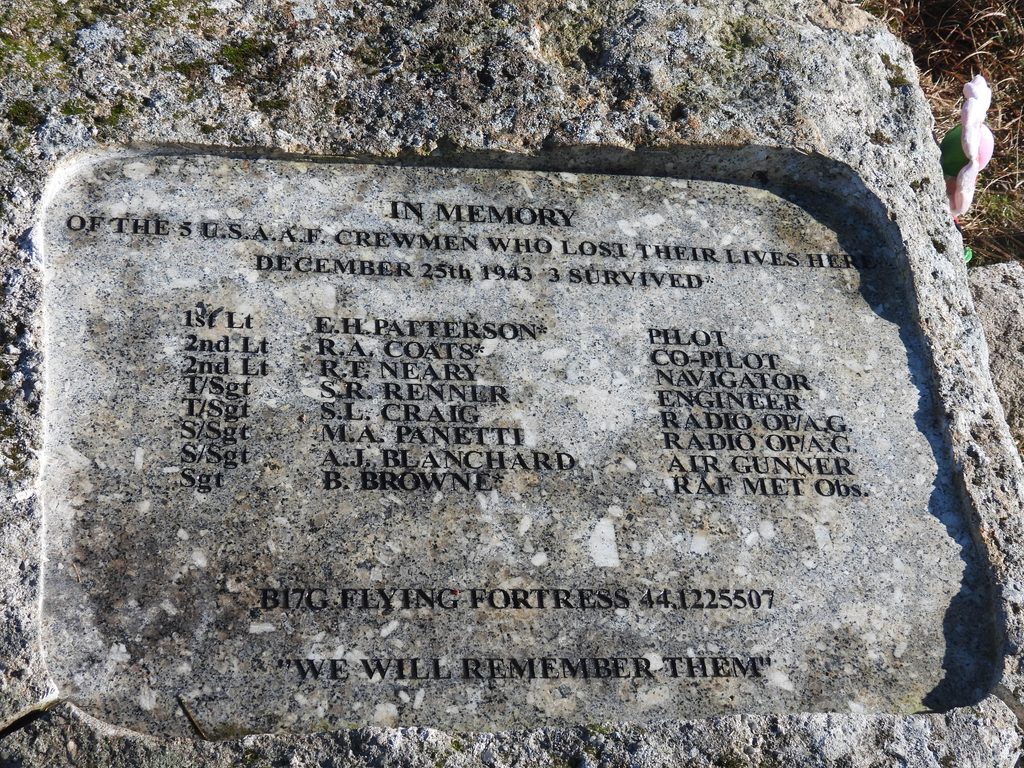
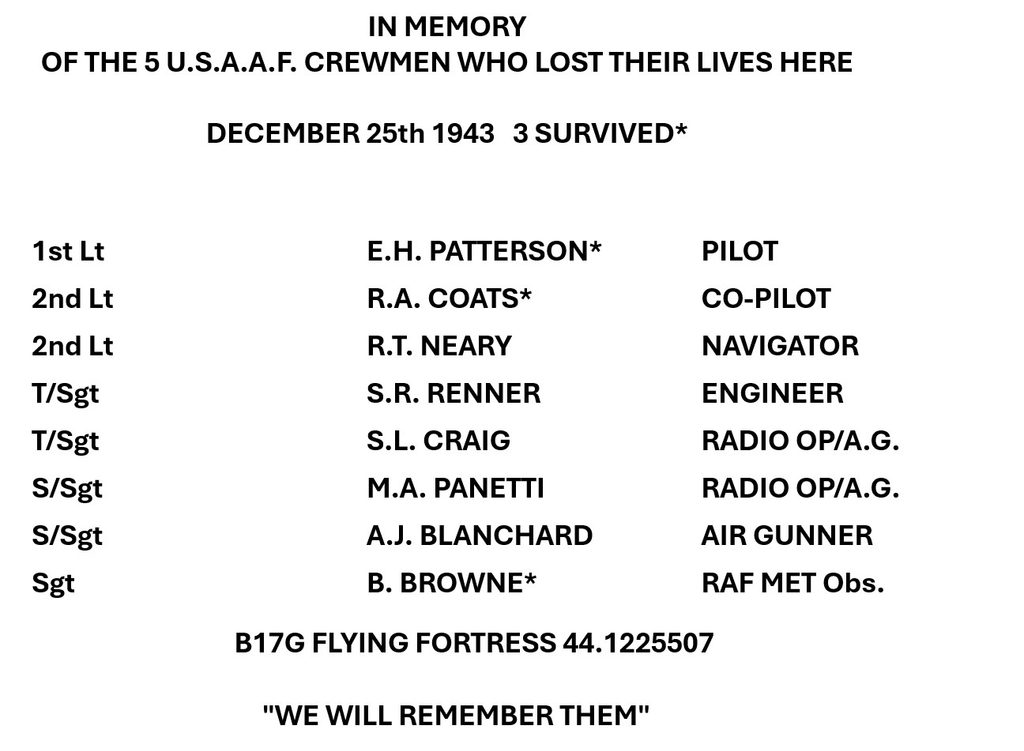
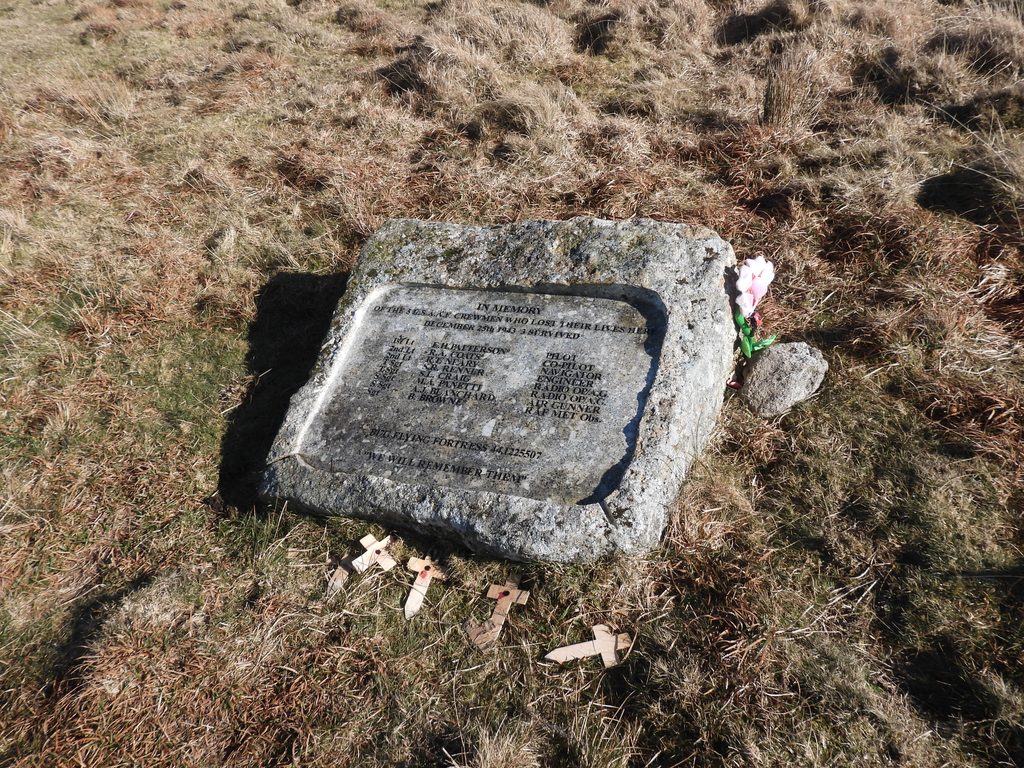
This memorial stone was installed in May 2022. The stone (along with one at West Okement Valley – Crash site of US Navy PB4Y-1 Liberator 63926) was brought to the location by a Royal Navy Commando helicopter. The timing of the installation was to enable formally dedication of the stone(s) ahead of the 80th anniversary of the crashes.There are large (ish) pieces of aluminium still left at the site, which appears to be melted, testament to how hot the inferno must have been when the two fuel tanks ruptured causing the aircaft to catch alight Some of the burnt aluminium Close up of the memorial stone which is located at SX55150 88414. It replaced an aluminium memorial plaque which was located here. Note the aircraft Serial Number 44.1225507 is on the memorial. The granite memorial face slopes back to front and there are two narrow drainage slots integral to the designA typed up table version of the memorial plaque
The B-17 (42-37869) in this story had a very short service; It was delivered to Denver on 25th September 1943, then to Gr (Grand) Island on 7th October 1943. It was assigned to 20FG, 8th Weather Flight Cheddington on 25th October 1943. Following the crash on 25th December 1943, it was salvaged on 21st January 1944
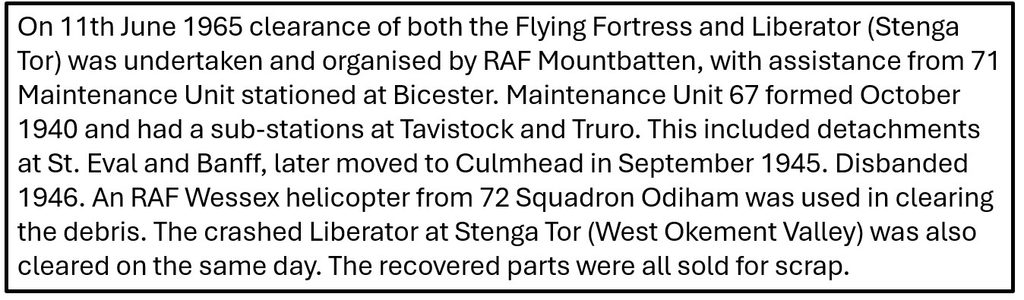
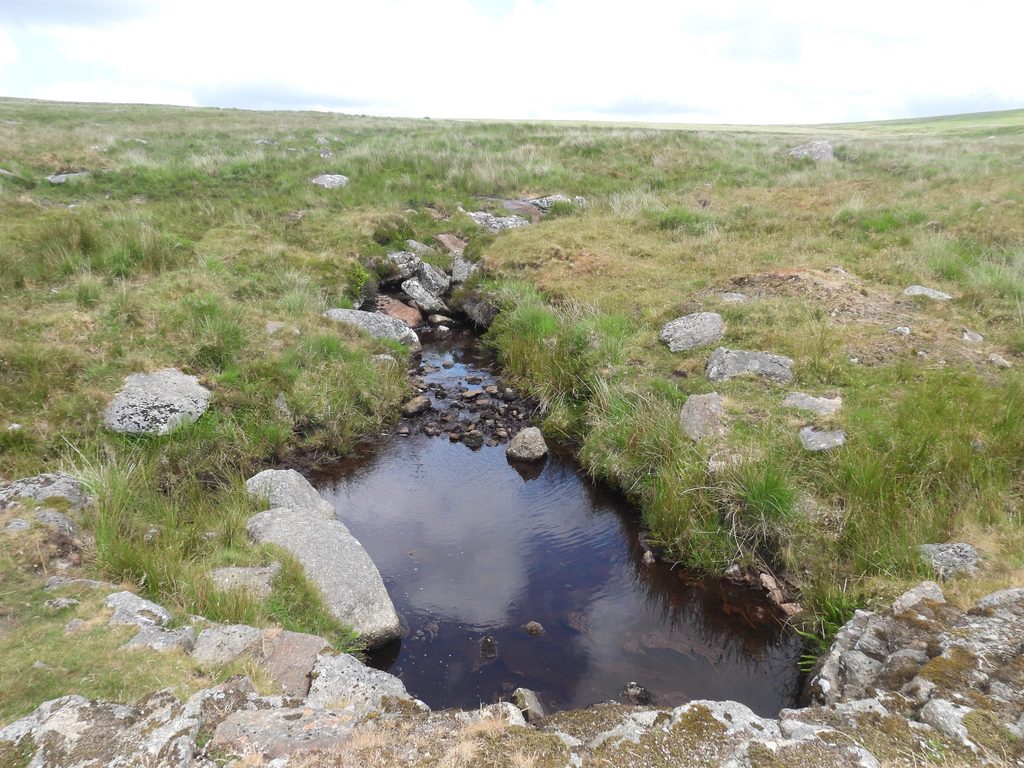
Scattered debrisScattered debris. Parts from the crash site (including the wrist watch of Sgt Basil Browne) are now at RAF Memorial Museum in Davidstow, Cornwall https://davidstowmemorialmuseum.co.uk/It is nice to see the small (poppy) wooden crosses laid alongside the memorial, where visitors are still paying respectsDuring the mid 1960’s there was a large litter campaign on Dartmoor to clear debris left over from the efforts of WWII. This included clearing aircraft crash sites (Ref: Dartmoor Chris)Looking over the top of Lydda Bridge onto the peaceful infant looking south. The moorland to the south of the bridge is strewn with Tinners’ Streamworks and punctuated by surface granite and is distinctly different from the moorland to the north of the bridge where the crash site is where it is more wet, boggy and peaty
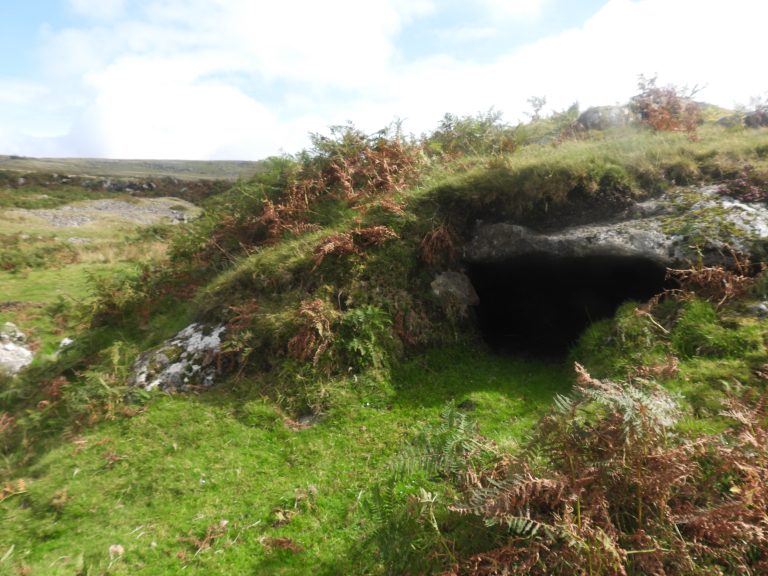
This Tinners’ Hut is located close to the Rattlebrook Peat Works Tramway and Lydda Bridge at SX54899 88139
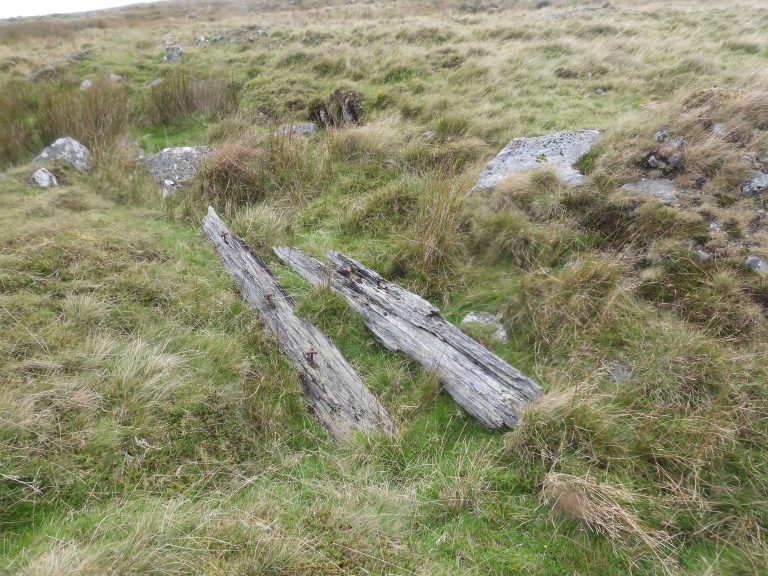
Two abandoned railway sleepers from the Rattlebrook Peat Tramway can be found at SX54863 88150. The Rattlebrook Head Peat Works is believed to run from around 1867, when the first sett licnece was granted through to 1931. The buildings at the works were constructed around 1873, which may have more or less been the time the railway was built. These sleepers are most likely around 150 years old
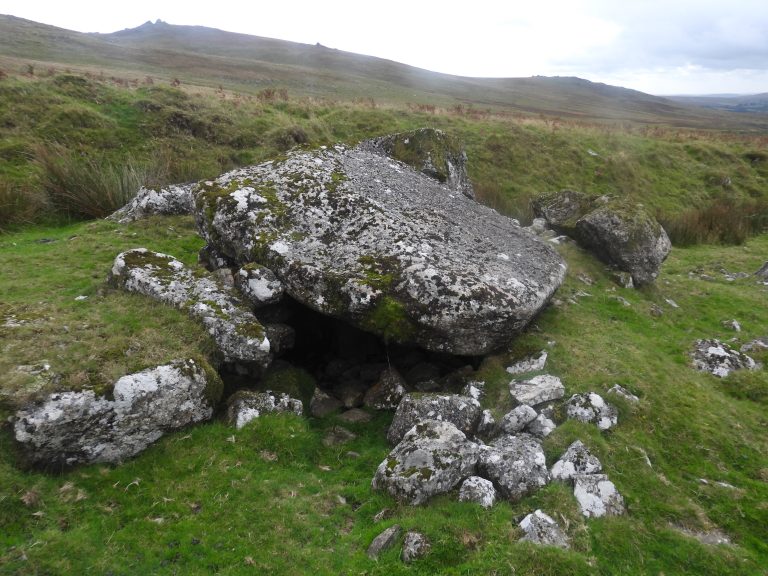
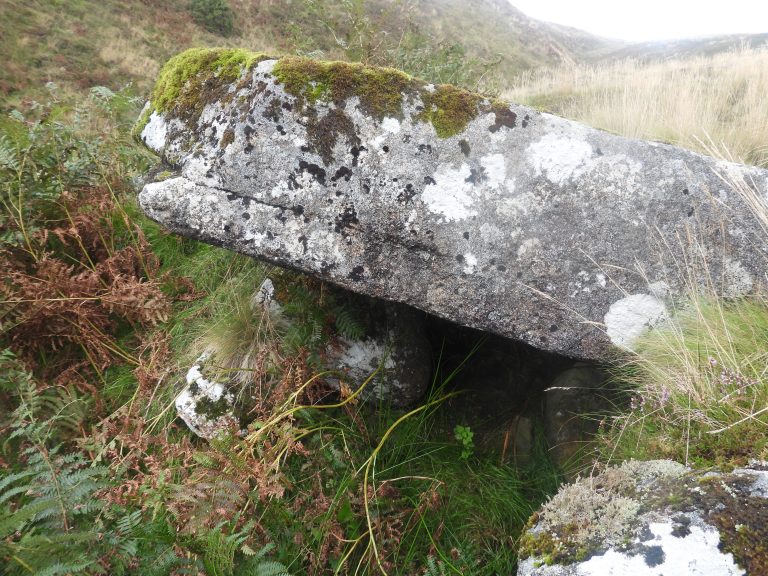
Should any explorer wish to descend the valley below Lydda Bridge to below Great Nodden, this Tinners’ Cache can be located at SX54557 88018
A second Tinners’ Cache is located at SX54344 87840
Below Great Nodden a third Tinners’ Cache can be located at SX54167 87566