A collection of walks, discoveries, insights and pictures of exploring Dartmoor National Park
November 16, 2026
Red Brook Tinners’ Mill (and Garth’s House)
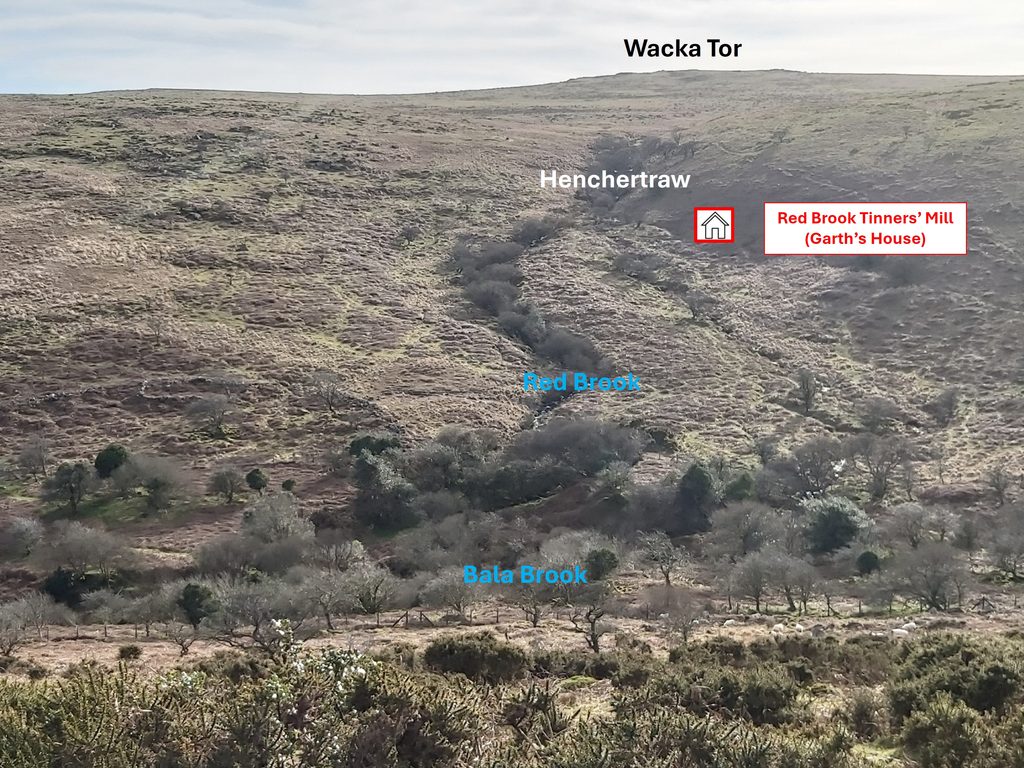
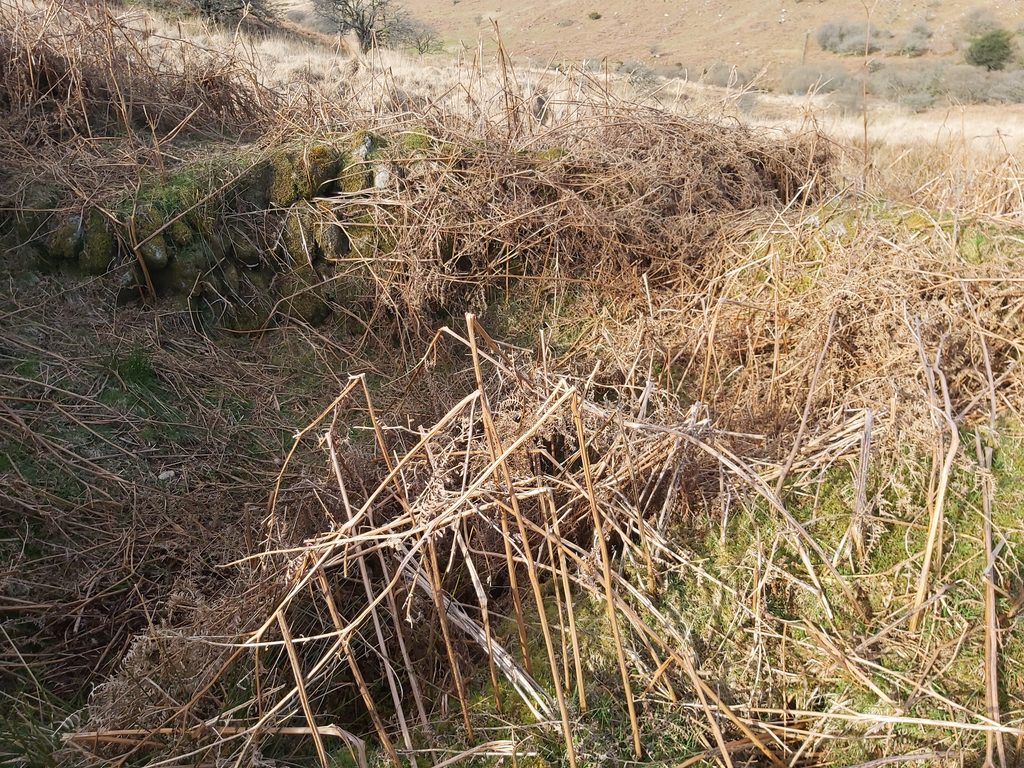
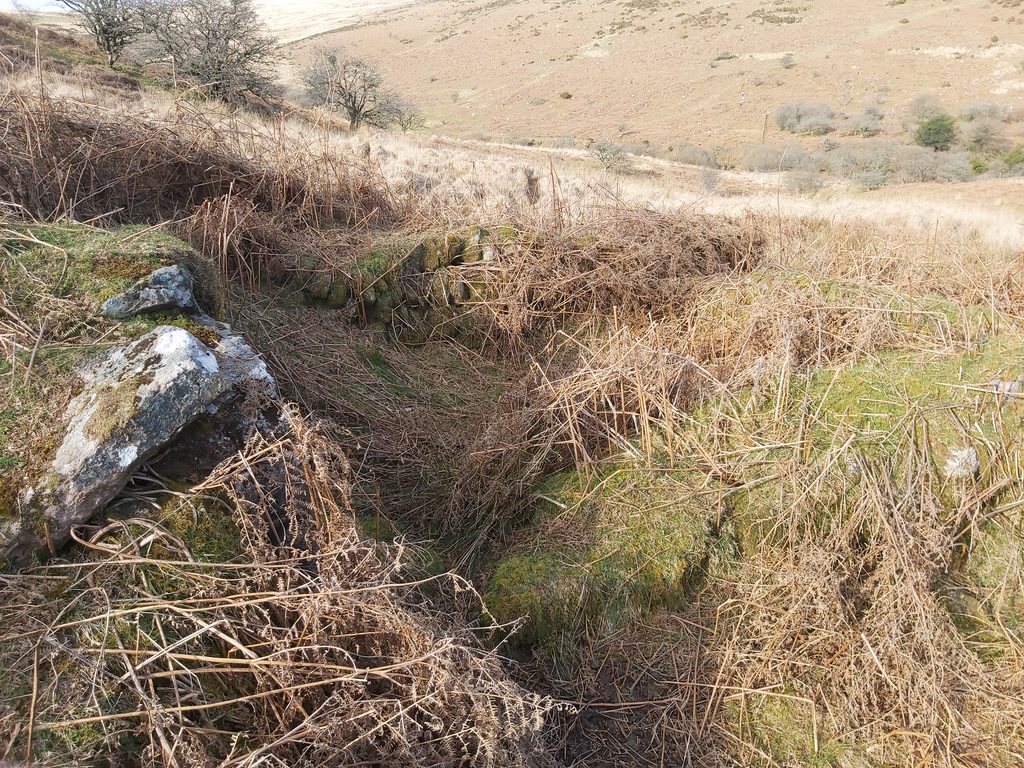
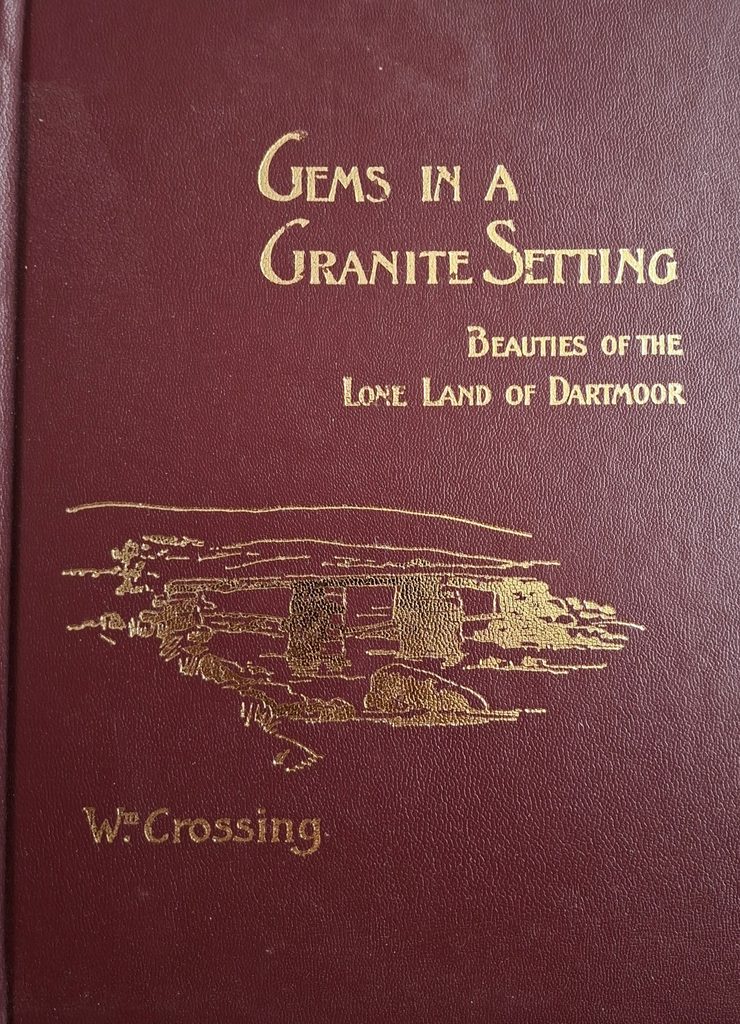
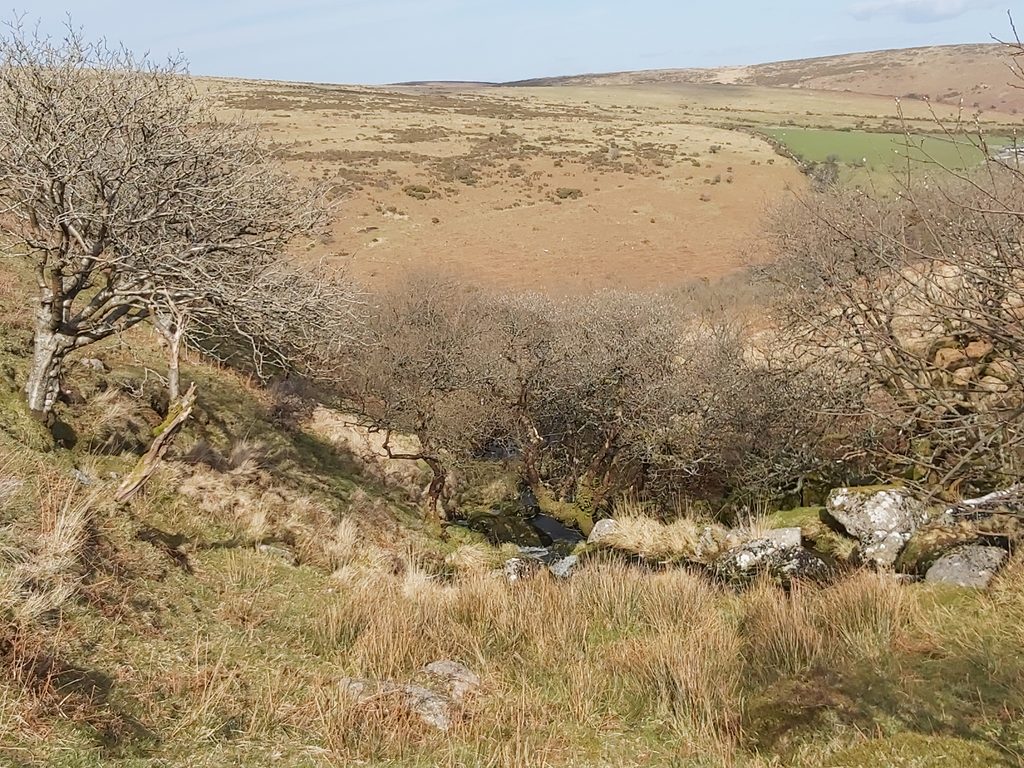
On the Red Brook, below a small ‘canyon’ known as Henchertraw and near to its junction with Bala Brook is a small granite built building (noted by William Crossing). This building is known as Garth’s House, being central to the Dartmoor folklore story / legend of ‘Garth the Tinner’ penned by Crossing in his ‘Gems in a Granite Setting’. Near to and above the building is a leat, which appears to come from the left bank of the Red Brook.
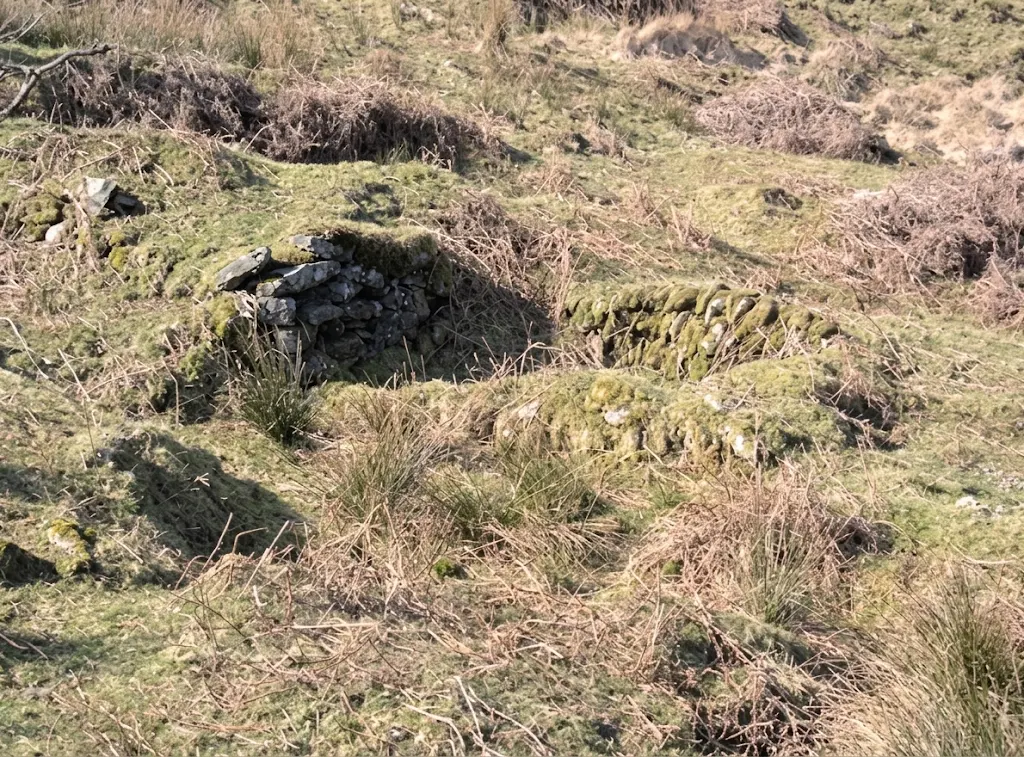
There is also adjacent to this building (noted by Rosemary Robinson) a “roughly rectangular mound of tumbled stones which could be a blowing house” (Tinners’ Mill). The mill is grassed over and has no wall faces and is very difficult to elucidate. Robinson suggests that the small granite built building (Garth’s House) was a later construction built since the tinners’ mill became disused, on the site of its wheelpit.
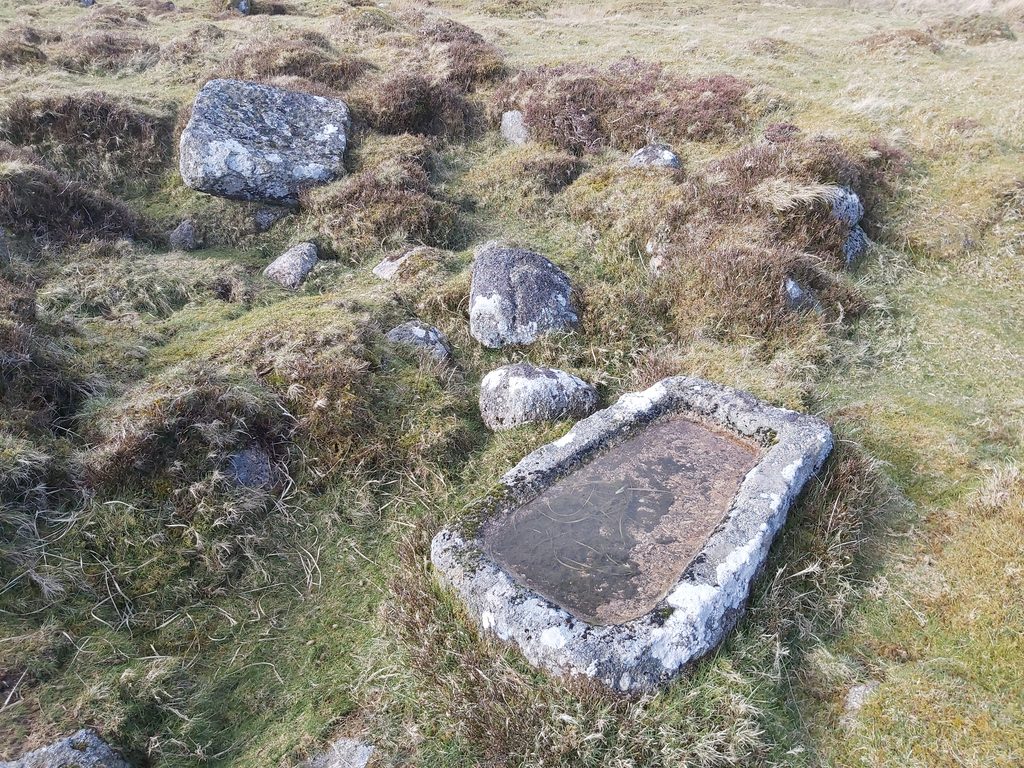
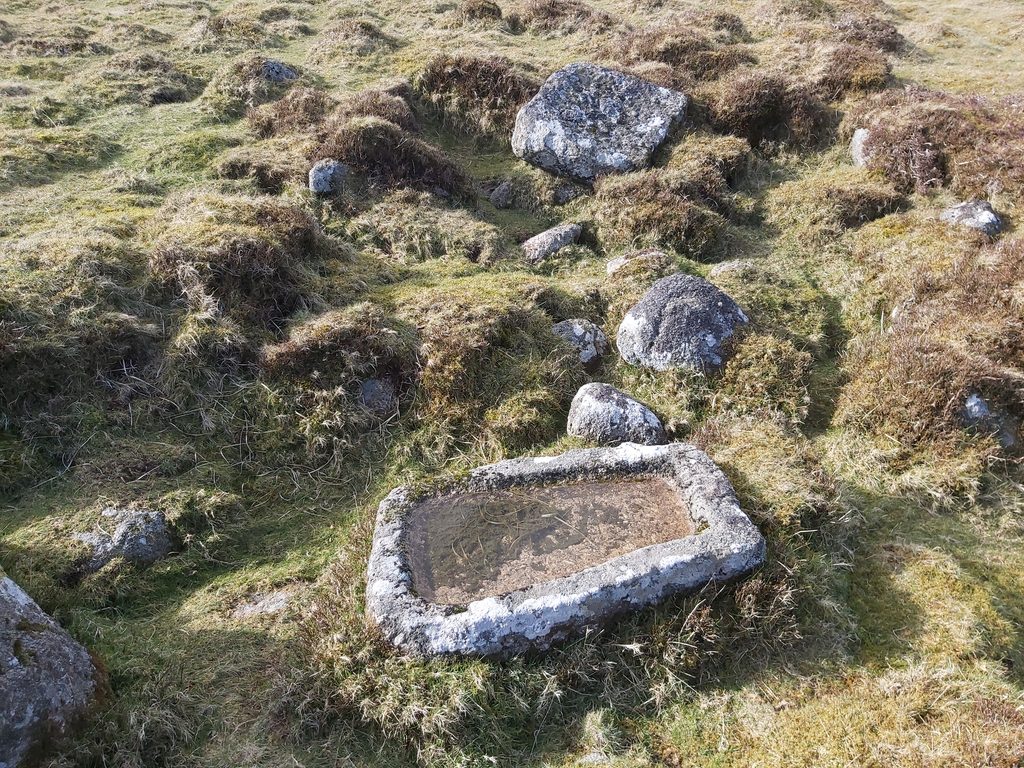
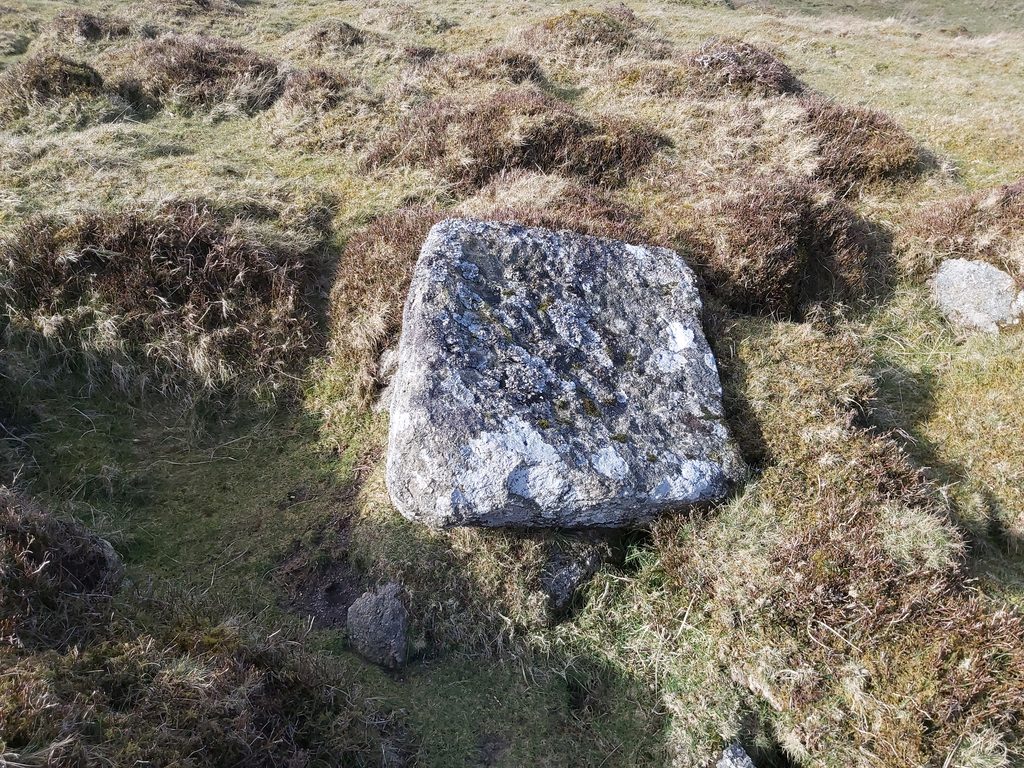
To add to the confusion to the history of a possible Tinners’ Mill, comes from Robert Burnard (1891) and W.S Lewis (1923) who refer to mould stones on the Red Brook. There are no known mould stones either at the possible Tinners’ Mill or on the Red Brook. There are, however, two troughs upstream from the mill, above Henchertraw, around 500m away. Neither is a mould stone but they may be connected with tin working where they are situated. It is probable that the tin working where the troughs are located was the workplace of ‘Garth the Tinner’ in the Crossing’s Dartmoor folklore story / legend.
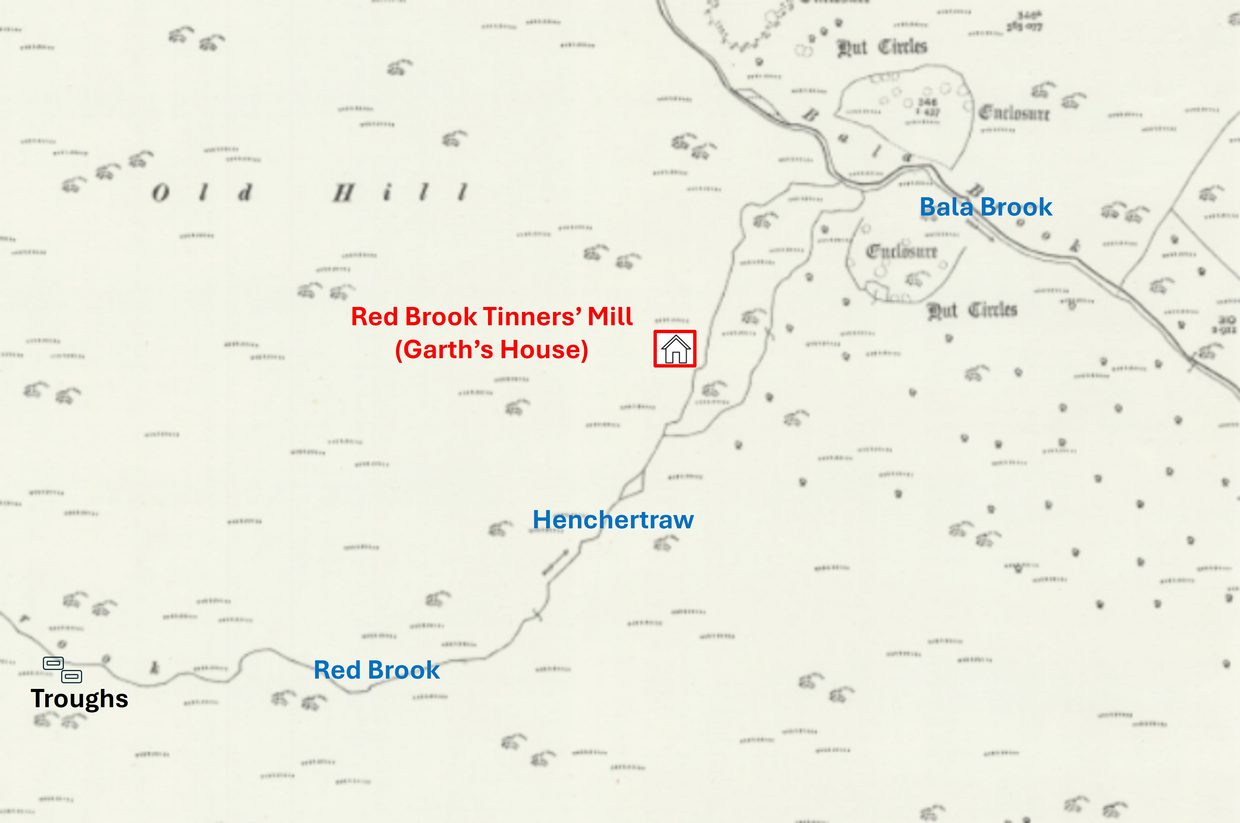
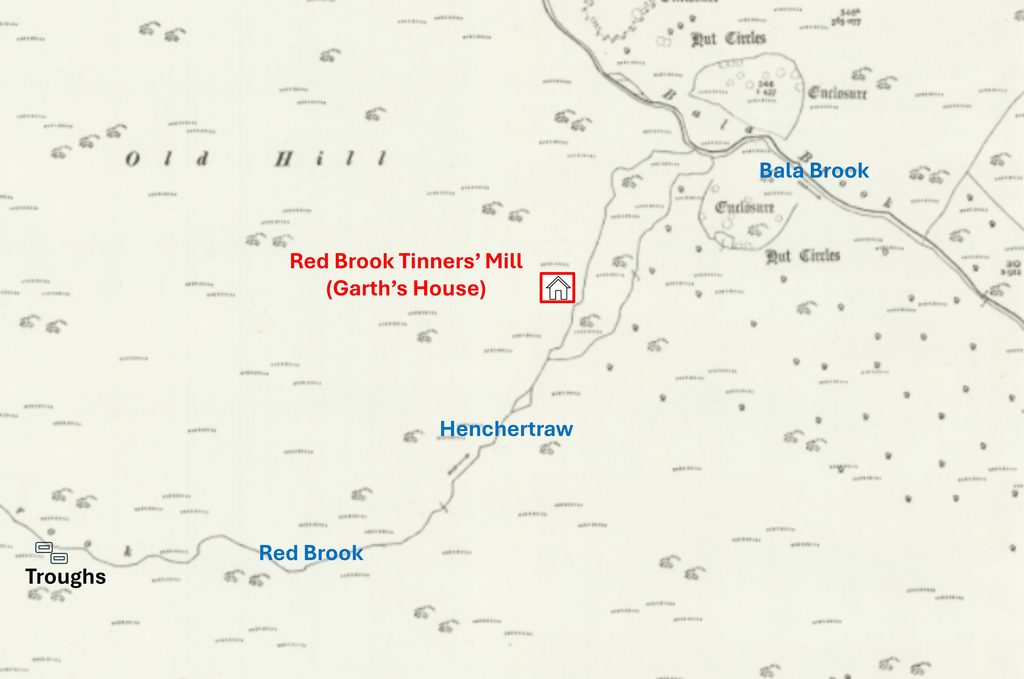
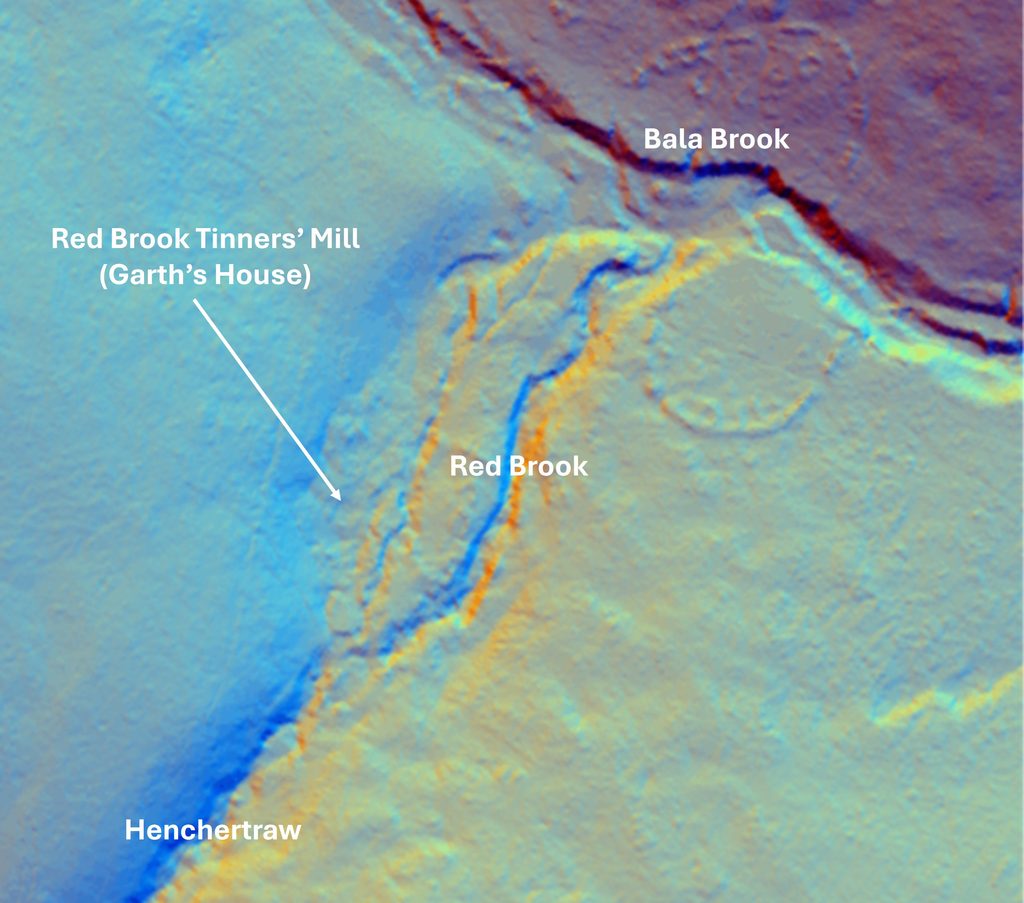
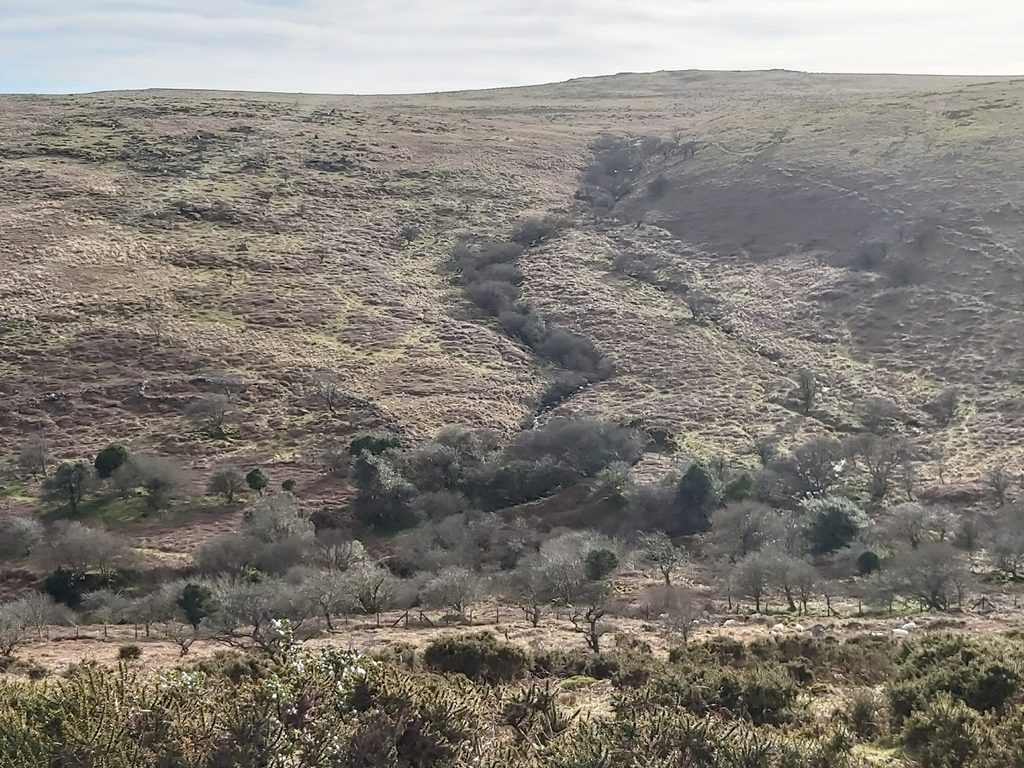
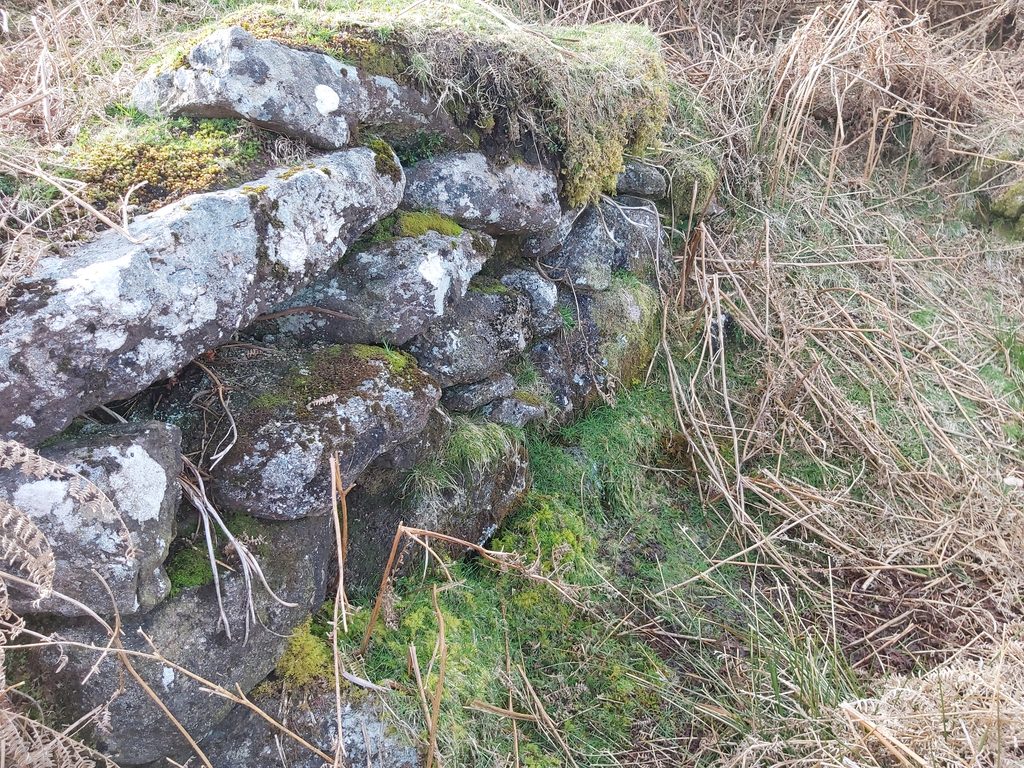
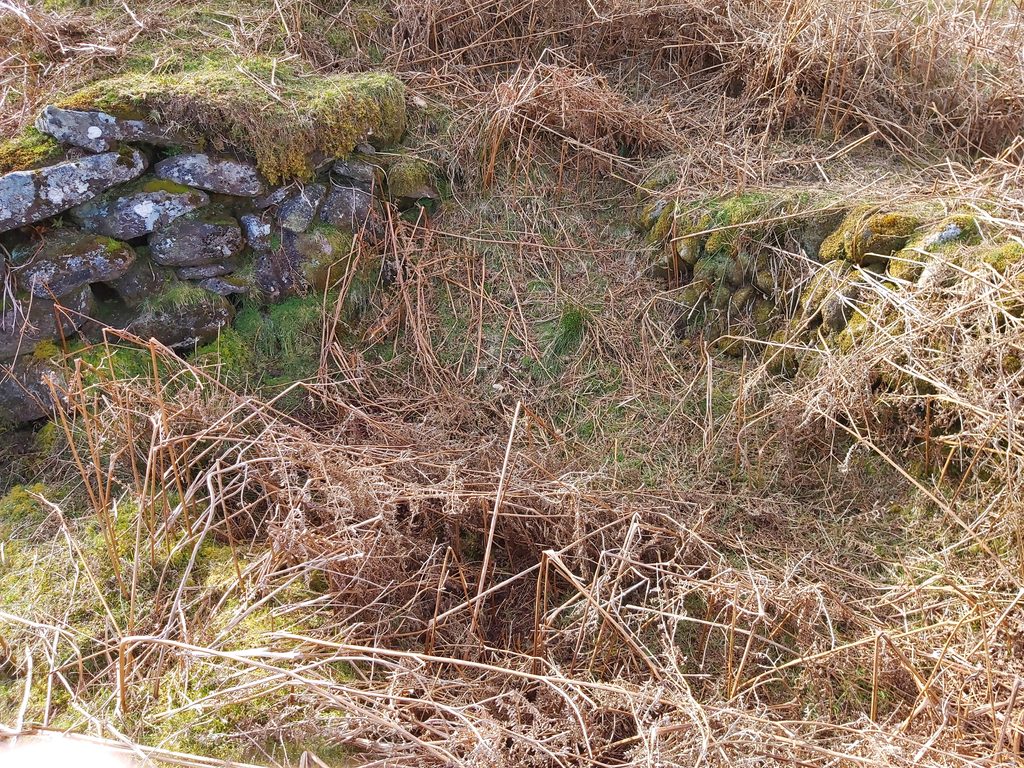
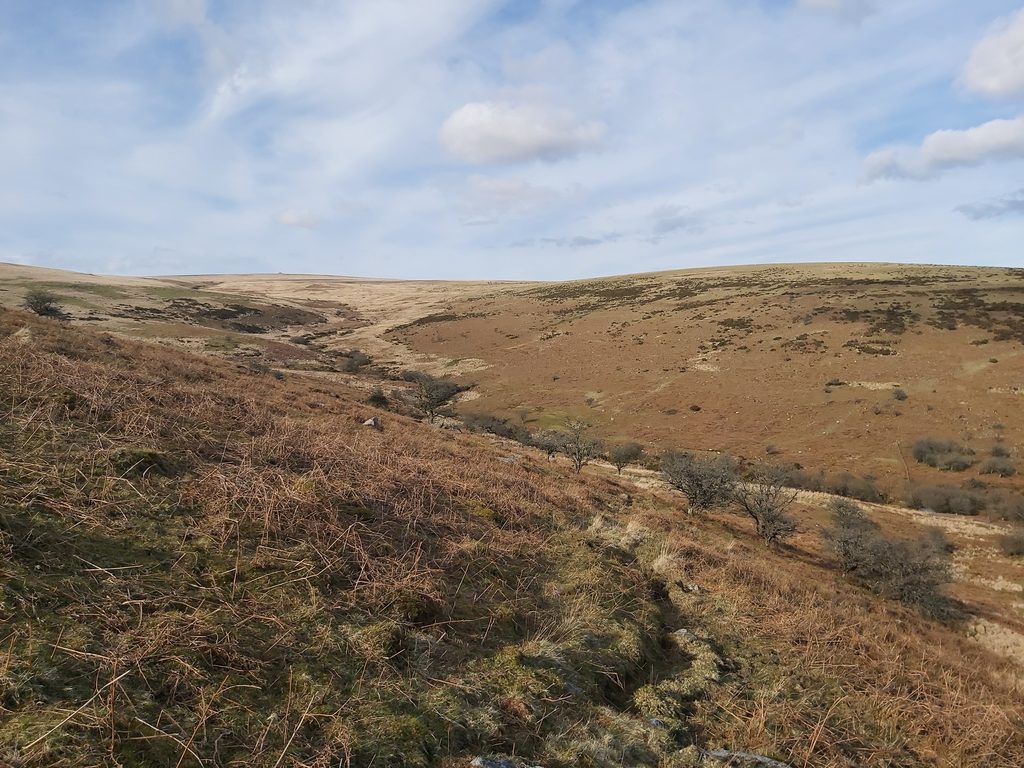
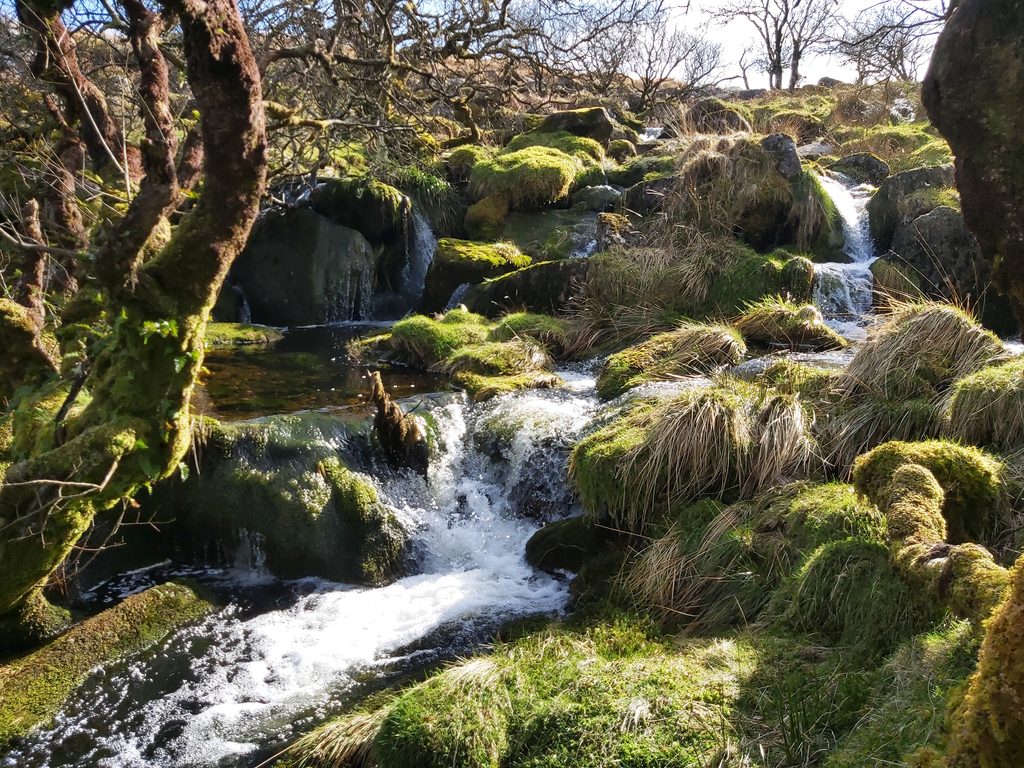
This annotated early 20th century OS map, indicates the relative locations of the possible Tinners’ Mill (& Garth’s House) to Bala Brook, Henchertraw and the two troughs adjacent to Tinners’ Workings. The shortest route to the area is from Shipley Bridge but can involve crossing the Bala Brook – a route from Shipley Bridge via Diamond Lane will avoid this.This Google Earth snippet shows the relative location of the possible Tinners’ Mill (& Garth’s House) to Bala Brook and Henchertraw. Note the ‘canyon’ like feature of Henchertraw.Approaching Red Brook from the Avon Filtration Works above Shipley Bridge. This route requires a crossing of Bala BrookAnnotations on the previous photograph showing the Mill and HenchertrawGarth’s House. The Robinson interpretation of the former Mill (recorded as being on a grassy area about 12m x 5m), might be to the far left of this photograph. Further to this, she states that the “bank behind was originally the raised bank to carry a launder to a wheelpit, now replaced by a much more recent building”. Might the masonry from the Mill have been used to build Garth’s House ?The most intact wall of Garth’s House is about 1.50m high and is backed by a solid bankGarth’s House is about 4m x 2.5mGarth’s House is located at SX66939 62791The less substantial walls are only about 0.5m – 1m highThe above core story / legend is part of Dartmoor folklore and is most notably recorded by William Crossing in ‘Gems in a Granite Setting’. If one were to de-construct the above story, one might ask ‘Why would the nobleman (Melys’ father) continue his journey to Spain (via Dartmouth) after the accident and after Melys had gone missing. The William Crossing version of the story / legend infers that the reason for the journey was to place Melys in the charge of relatives of his dead wife in Spain after all’.As mentioned the core story or legend of ‘Garth the Tinner’ comes from Dartmoor folklore and is recorded by William Crossing in Gems in a Granite Setting. The thing about stories or legends is that later retellings expand the narrative. The retellings of Crossing’s version include by Eric Hemery (High Dartmoor), John Hayward (Dartmoor 365), Legendary Dartmoor (website) and by MED Theatre who all have expanded the narrative.
The narrative differences from Crossing’s version includes: Garth finding the girl in Winter; Melys being wrapped in fur; Garth naming the girl Melys, the nobleman returning to the area 18 years later (not 14) and in the summer (in spite Hael being found dead in the snow that night), the nobleman confessing the loss of Melys to his wife (who we are told by Crossing was dead), the nobleman returning to Red Brook after he had been reunited with Melys to offer his daughter in marriage to Garth and his wife (Garth was a widower) and Hael being found dead either at the headwaters of the Red Brook or at the tin stream works where Melys had been found (not Herchertraw). Some interesting additions and variations here!
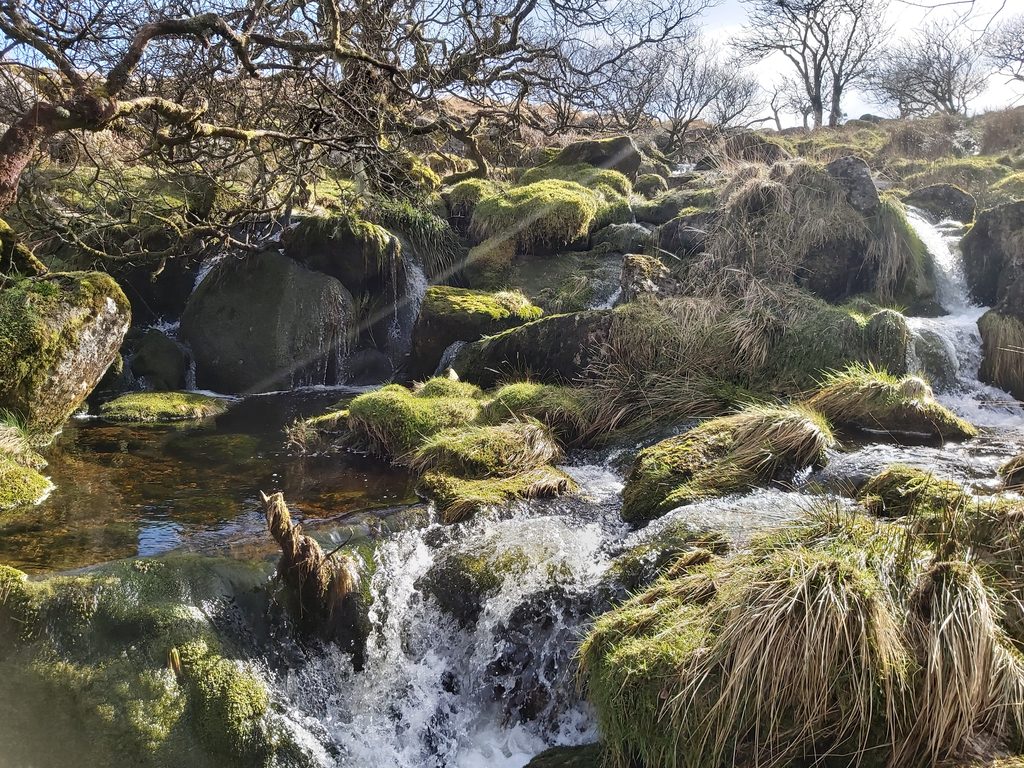
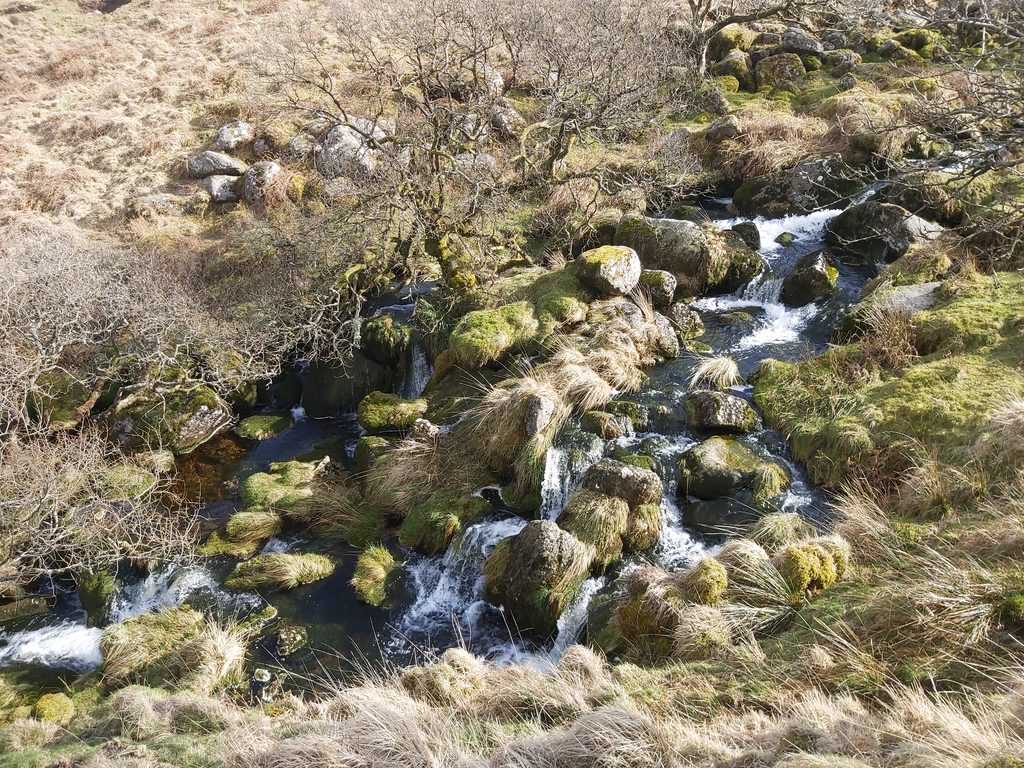
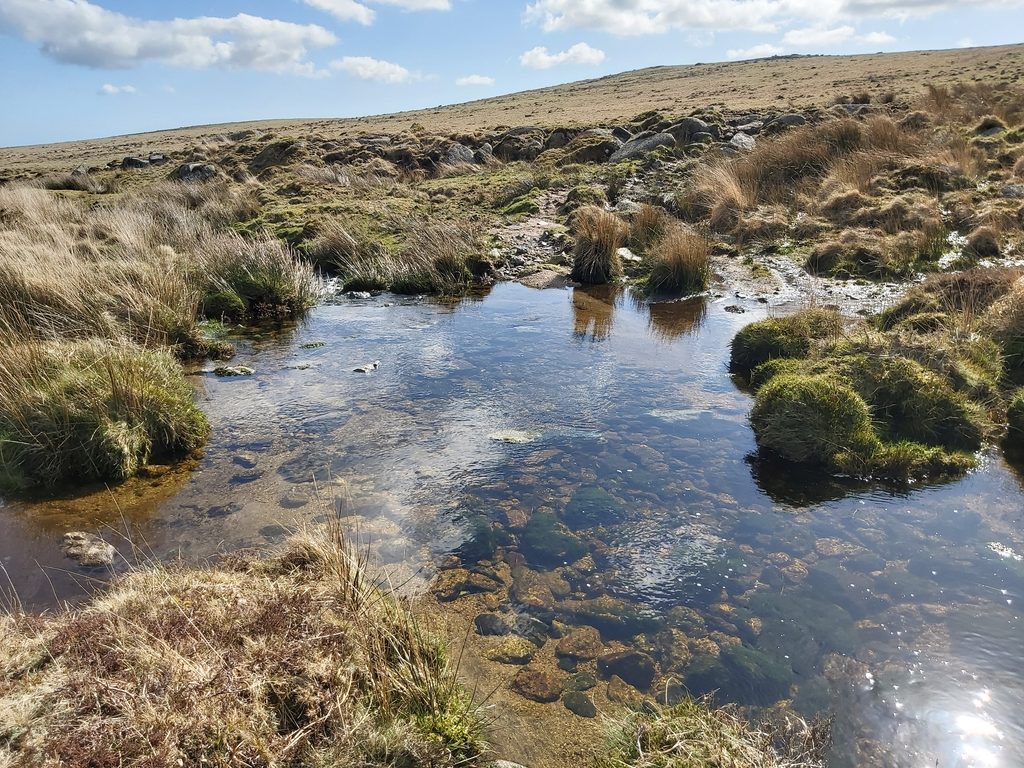
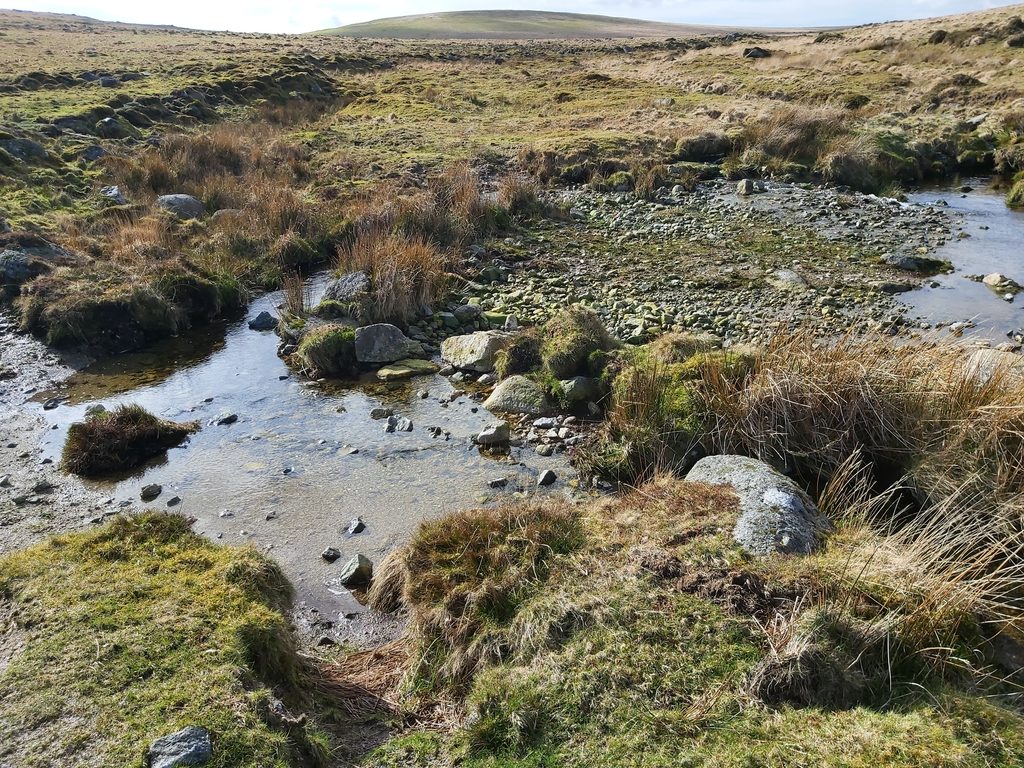
Also Crossing’s version places the story in medieval times, with references to ‘Moorish rovers’, whereas the MED (Manaton and East Dartmoor) Theatre notes possible links to Roma/Egyptian communitiesA view from above the Mill (& Garth’s House) looking up Bala Brook. The gully to the front of the picture does look ‘leat’ like but doesn’t appear to lead-in to the MillHenchertraw, through which the Red Brook flows, is described as one of the most beautiful places on the moor and is central to Hael and Melys’ love story from the Crossing legendHenchertraw is described by William Crossing as a miniature canyon. Crossing also refers to Henchertraw as Hencher Trough. The author has heard others call it the ‘Lion’s Claw’ (presumably referring to some of the waterfalls found here)The steep ascent from HenchertrawFord on the Red Brook near Tinners’ workingsThe Red Brook, near where the Melys was found by Garth in Crossing’s storyOne assumes these are the two troughs (albeit they look unfinished) referred to by Burnard and LewisThese artefacts are located at SX664 626 on the right bank of the Red Brook. Clearly, neither is a mould stone although they might have be connected with tin-working. The trough in the foreground looks more ‘finished’ than its partner in the backgroundThis appears to be the 2nd (unfinished) trough