A collection of walks, discoveries, insights and pictures of exploring Dartmoor National Park
December 20, 2025
Kelly Mine
Kelly Mine was one of nine mines in the Hennock – Lustleigh area where Micaceous Haematite or Micaceous Iron Ore (MIO) was mined for around two hundred years from circa 1870’s to 1969, the product being used in rust resistant paints and as ‘pounce’ for ink blotting. In 1921, Great Western Railway was the first major railway company to use micaceous iron oxide paints and one of the first bridges to be painted was the I.K. Brunel bridge across the Tamar.
The mine at Kelly is known to have operated for 55 years from between 1879 and 1944 (with an eight year break between 1892 and 1900), but what is most noteworthy is that after abandonment, the buildings and machinery were left untouched for around 30 years which left a remarkable preservation for posterity subsequently has been kept alive by the Kelly Mine Preservation Society (KMPS). The fact that the mine remained in such a state of preservation is also quite remarkable since it is situated only a few metres from the busy Bovey Tracey – Moretonhampstead road (A382).
P.H.G. Richardson wrote about the late Frank Booker (author of The Industrial Archaeology of the Tamar Valley) who had wished that Kelly Mine and its interesting features might somehow be preserved for posterity instead of being just left to decay over time. His wishes were granted when the aforementioned Kelly Mine Preservation Society (KMPS) was created. The KMPS has made strenuous efforts over the last 50 years or so to keep the mine in a good shape of preservation and a visit is possible through prior arrangement with them.
The details of the early years of the mine (like many other small mines) is unclear, as owners and managers of mines were only bound to make ‘mine returns’ of production* to the Government Inspector if they had 12 or more people employed. As very little is known of the mine in the 1870s, it is possible that it might have been in operation earlier than thought, but due to their size they were not bound to supply the information. That said, it is known the mine was definitely operating in 1879 as this was the first year when production figures (20 tons) were submitted.
In its early life, the mine had a two owners, Kelly Iron Mines Co (1879-1892) and Scottish Silvoid Co. Ltd (1900-1917). The period between 1917 and 1920 is a little ‘hazy’ as although it was recorded that in 1917 the mine was absorbed by the Ferrubron Company, this might not have been the case (ref: Kelly Mine book by Tony Brooks). However, ownership from around 1920 until its closure was definitely through the Ferrubron Company who also owned another of the Micaceous Iron Ore (MIO) mines in the area, namely Great Rock near Hennock. Both mines also initially had the same manager, E.M. Slatter.
A note from the Mining Journal in 1874 stated that owners and managers of mines with 12 or more employees had to submit a return (on the proper forms) thereon in July. To add insult, the onus was on the mine owners and managers to ‘apply’ for the said forms
Tony Brooks – (2016) – Kelly Mine and the ‘Shiny Ore’ Mines of the Wray Valley
P.H.G. Richardson – (1992) – British Mining Vol. 44, Mines of Dartmoor and the Tamar Valley after 1913, Pages 74-79
Nick Walter – Pers. Conv
Peter Wade – Pers. Conv.
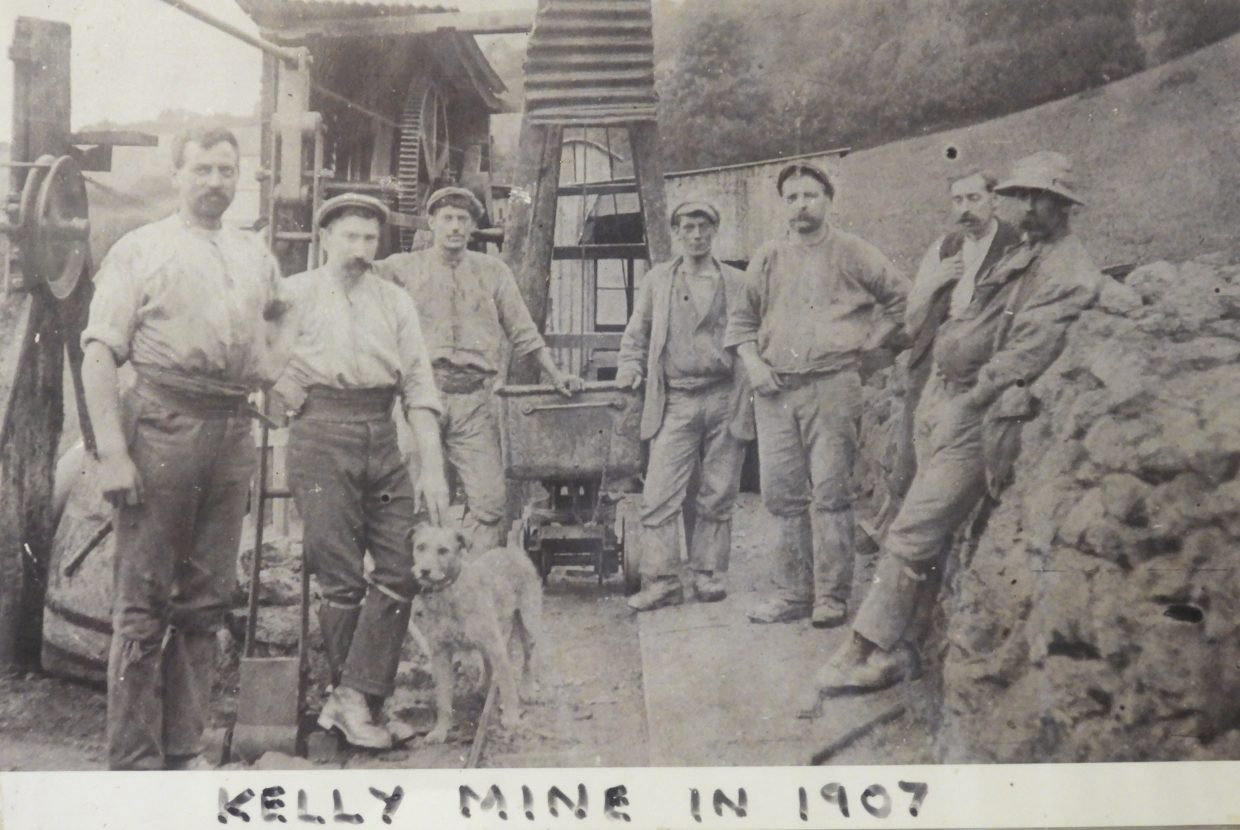
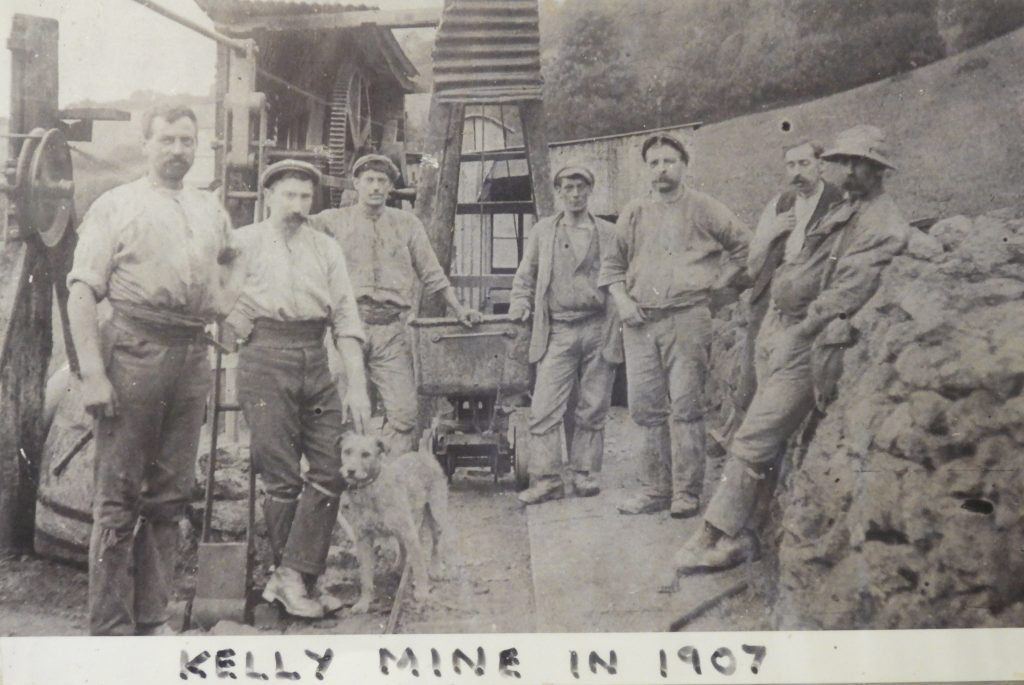
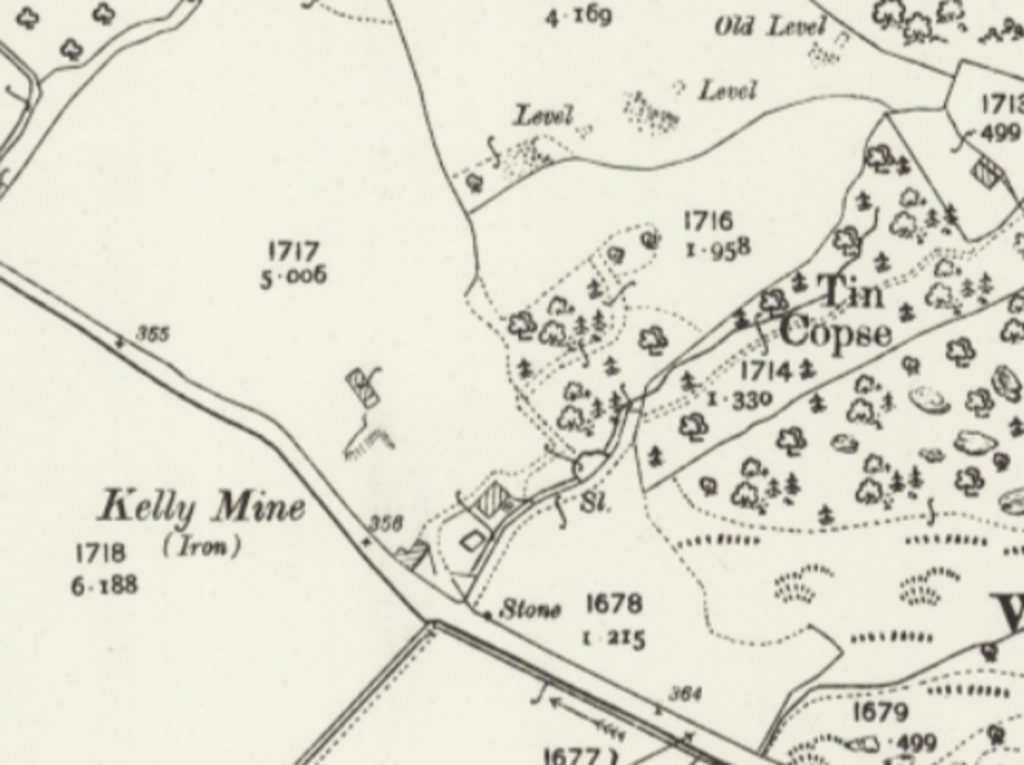
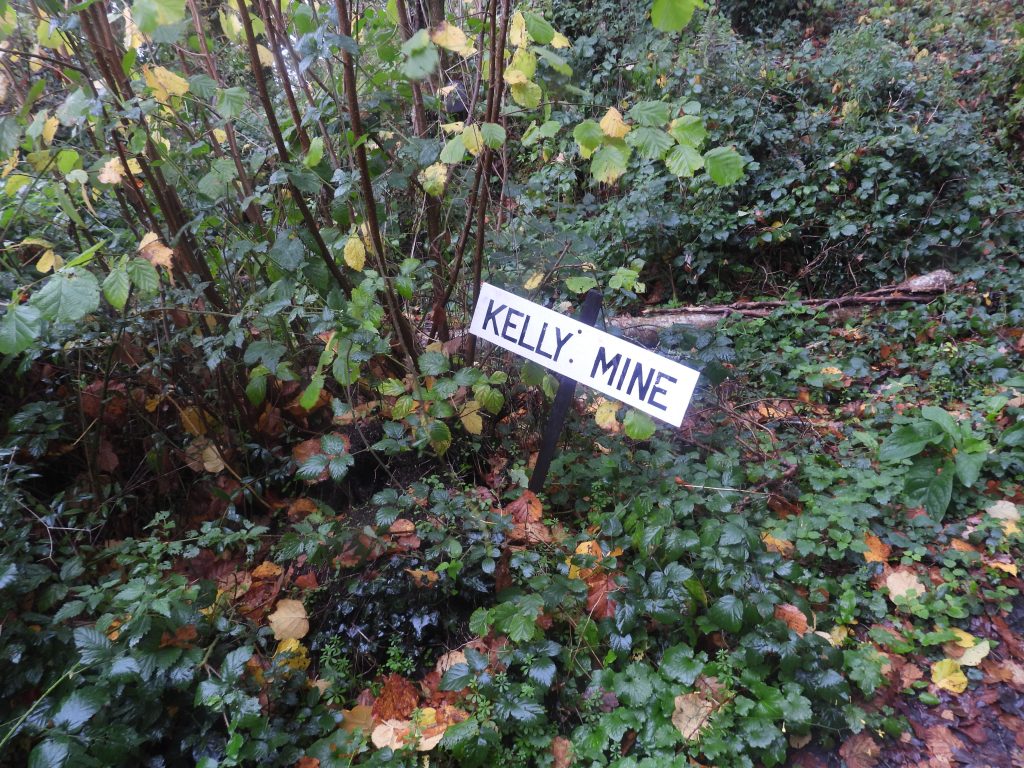
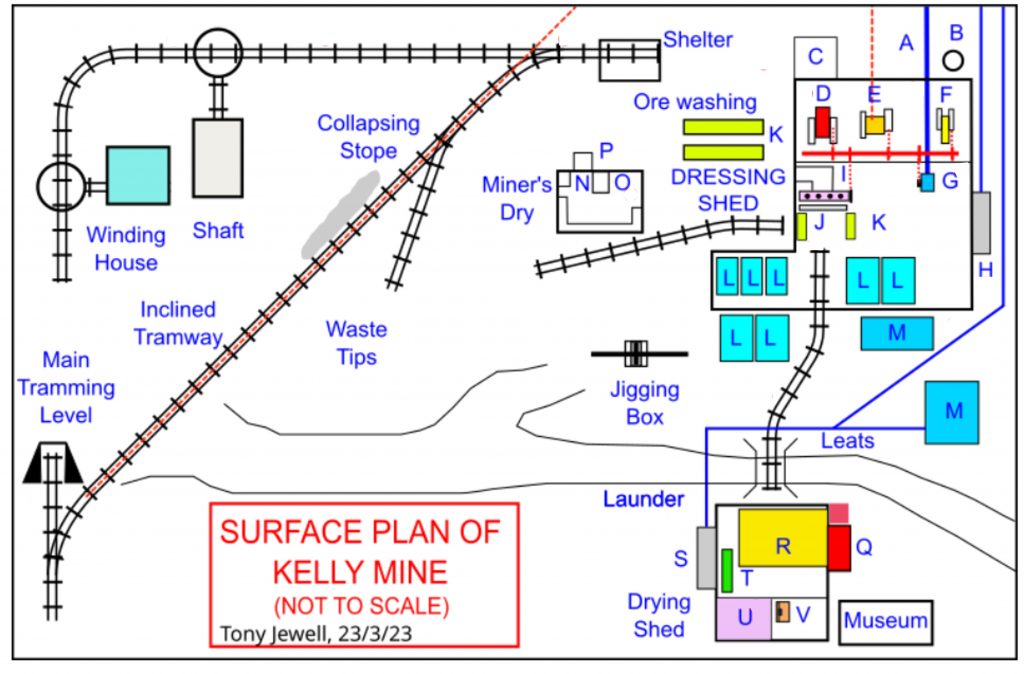
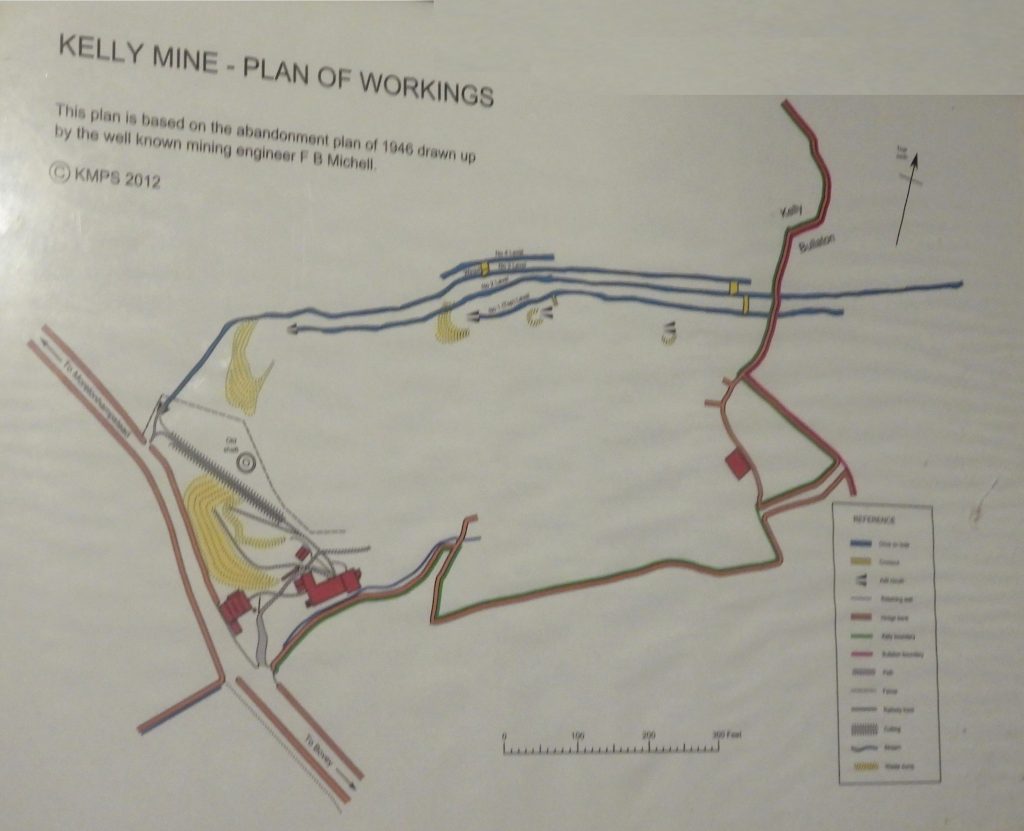
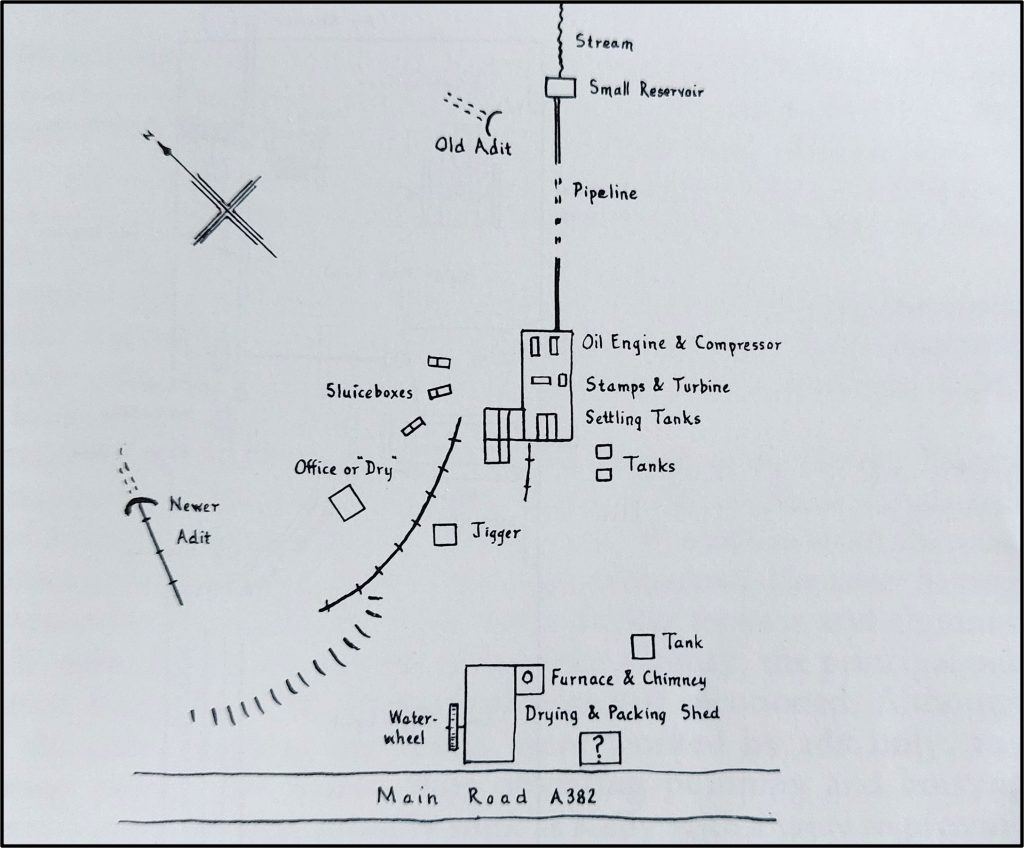
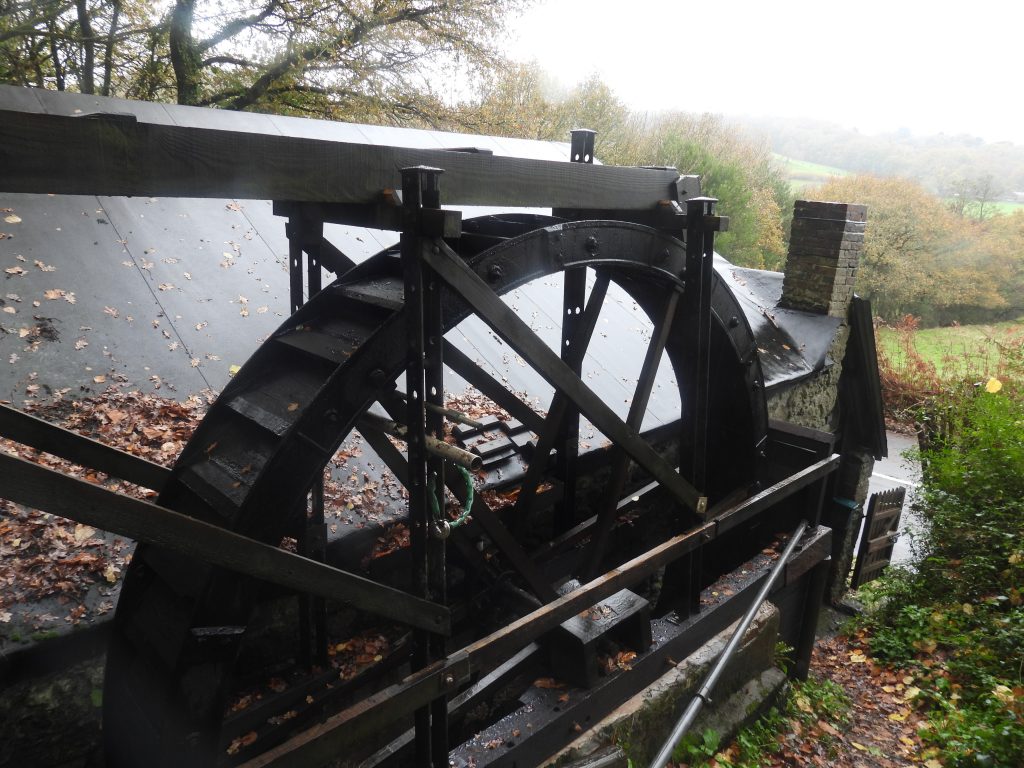
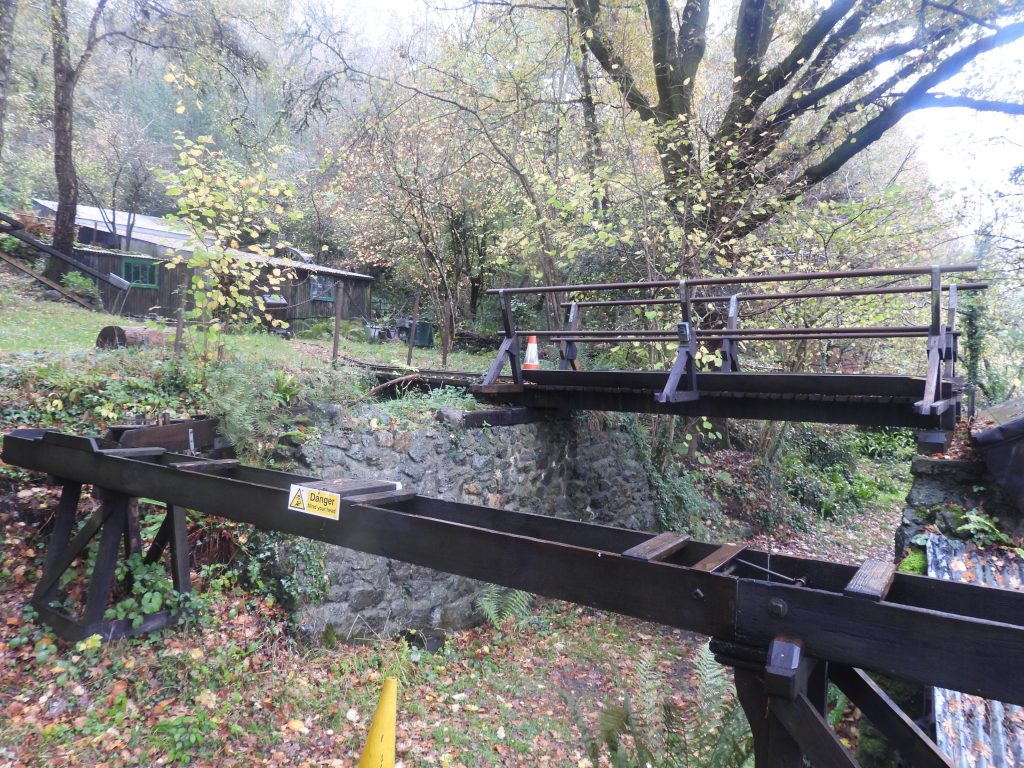
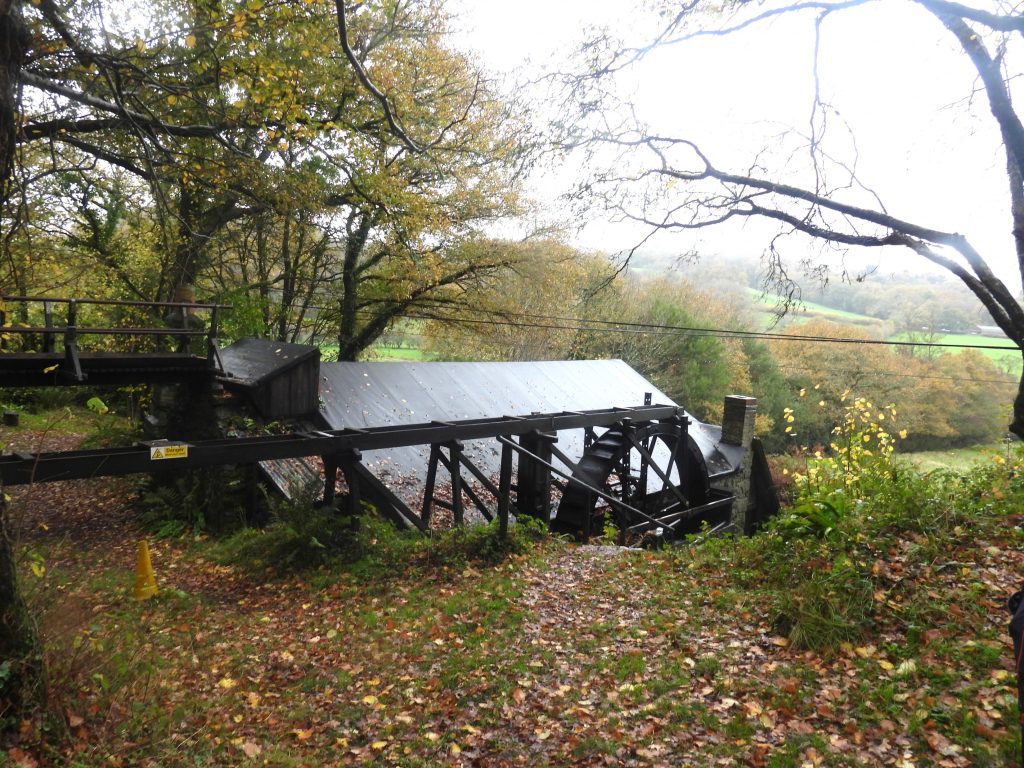
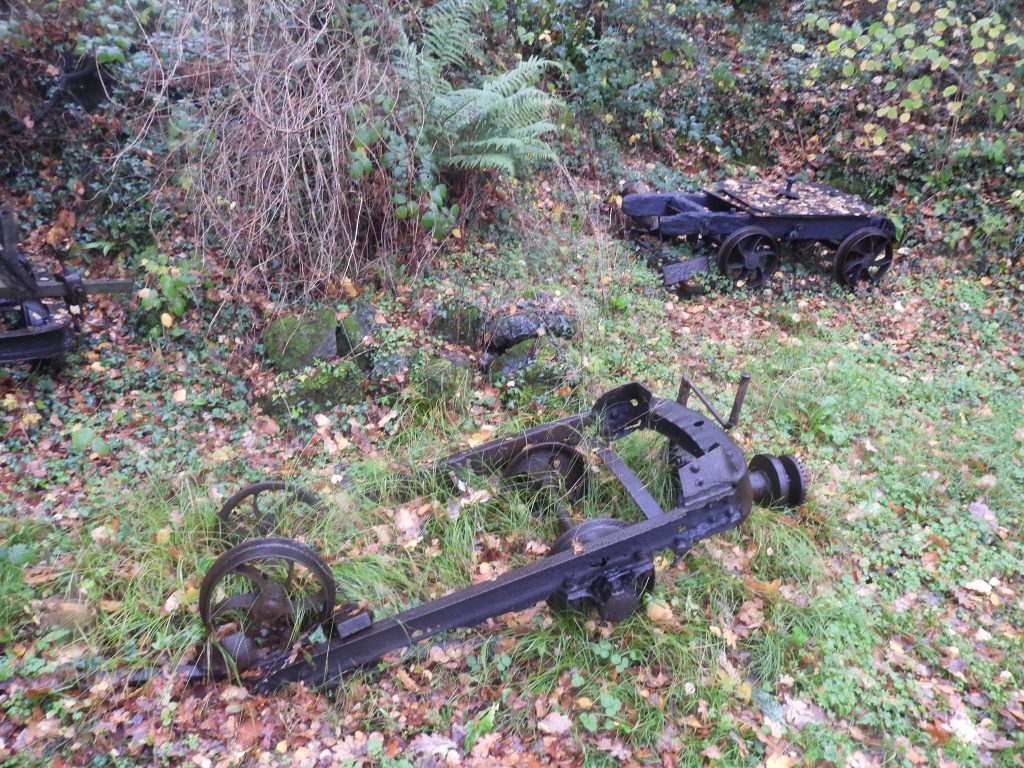
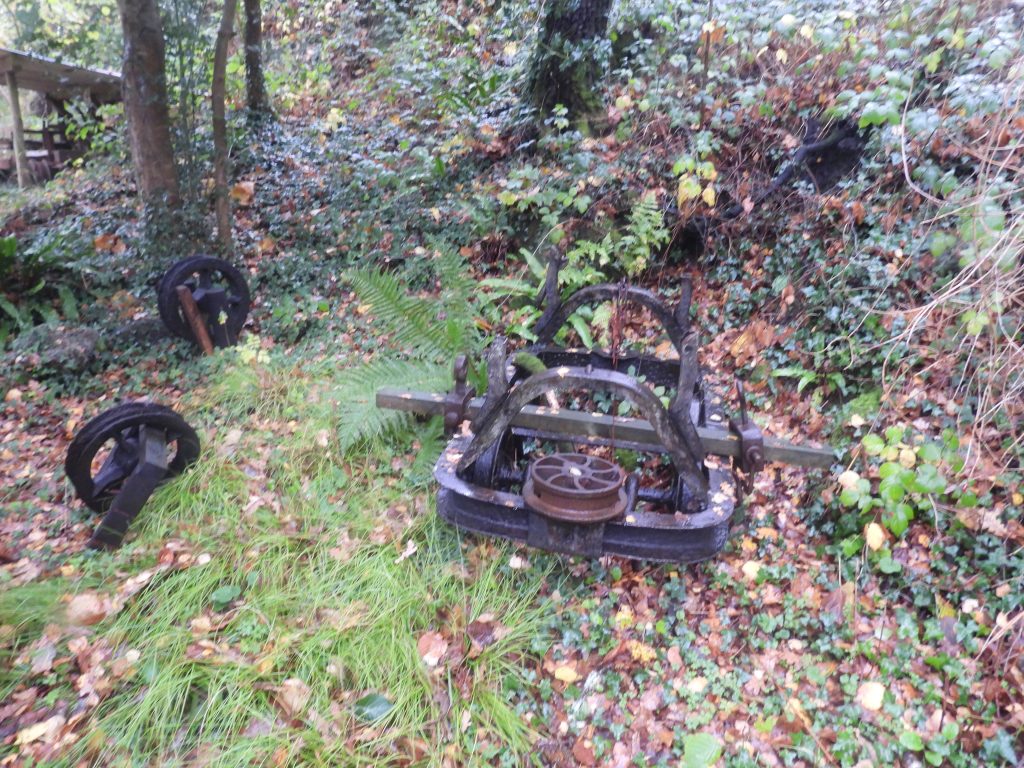
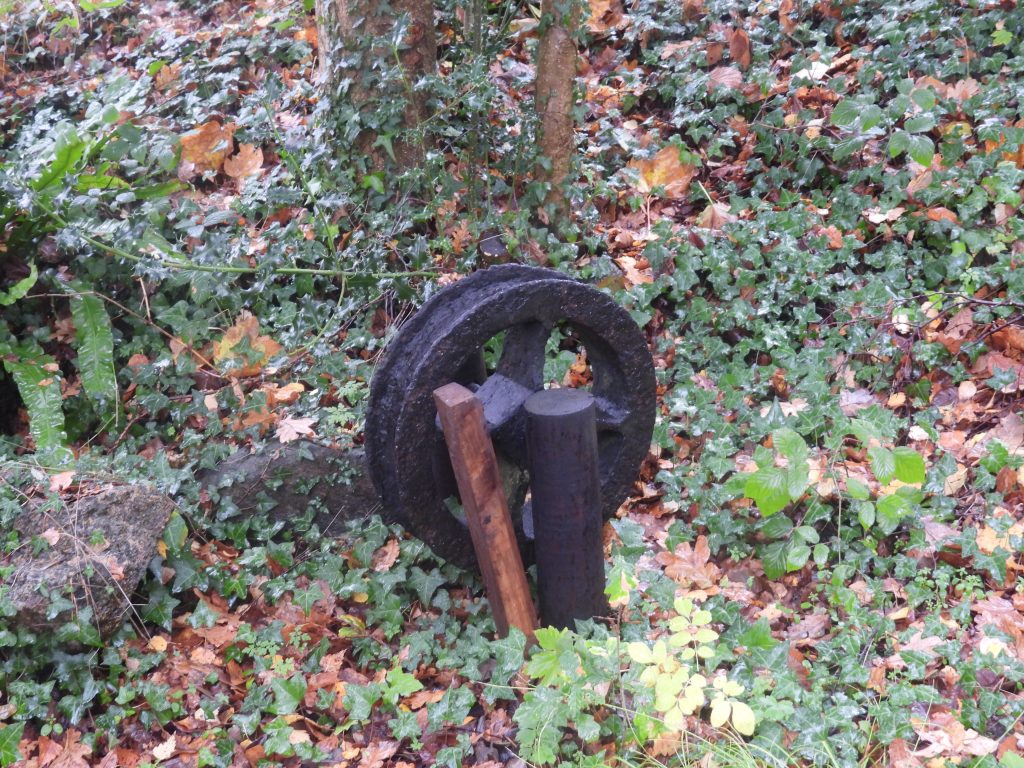
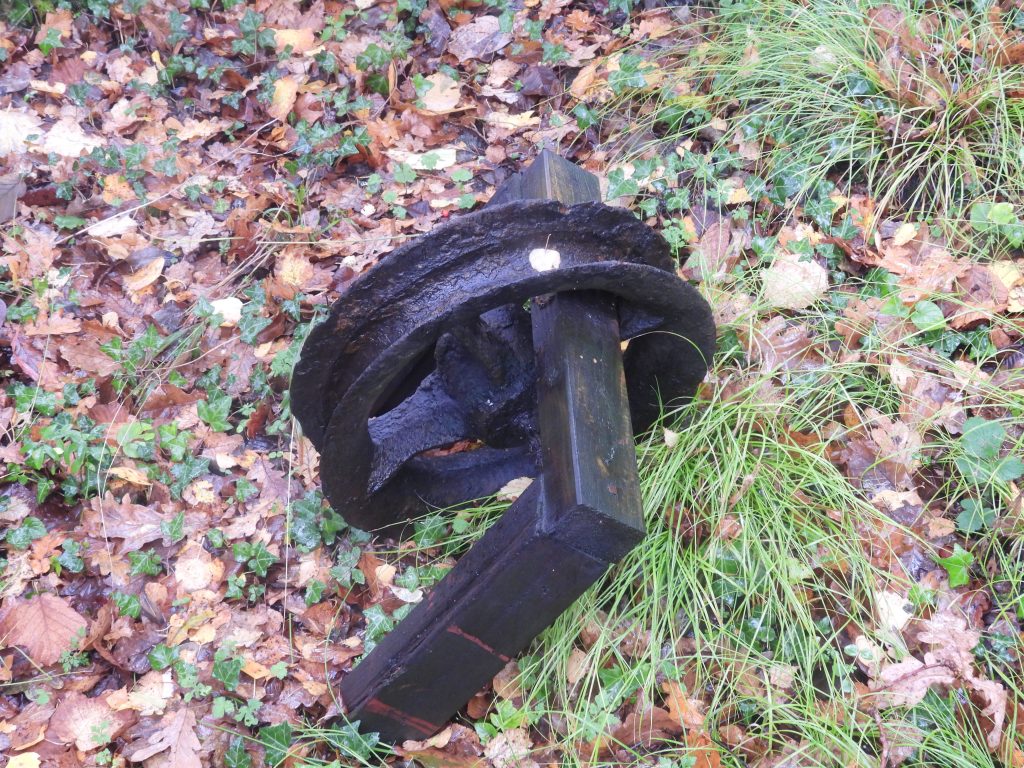
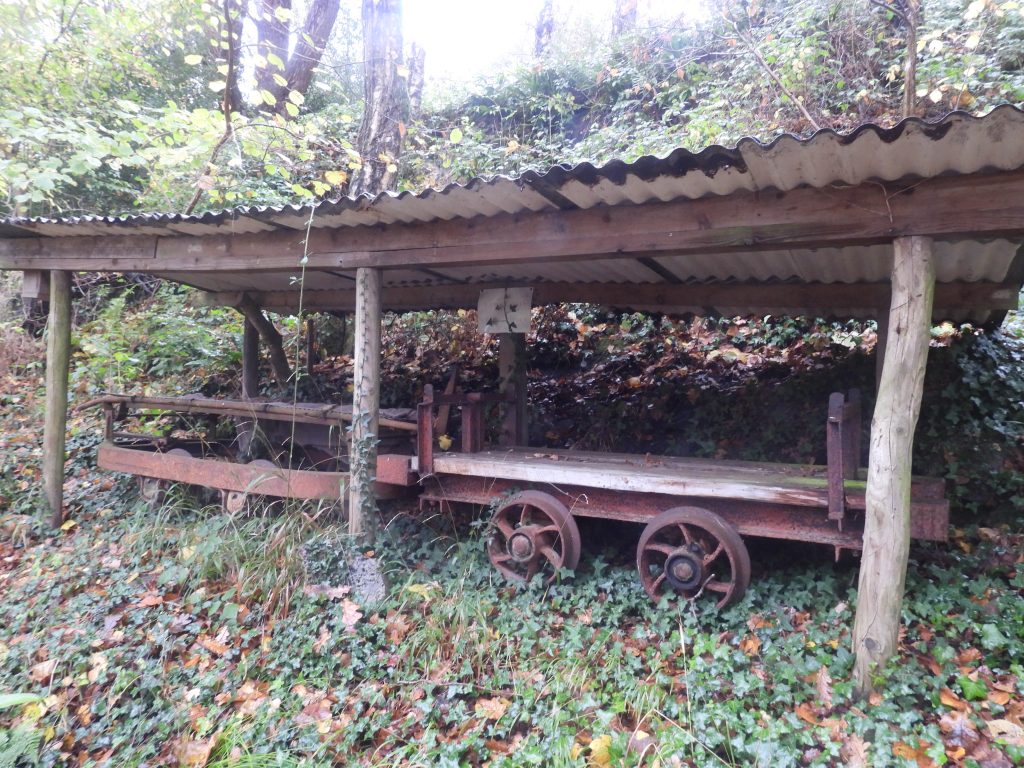
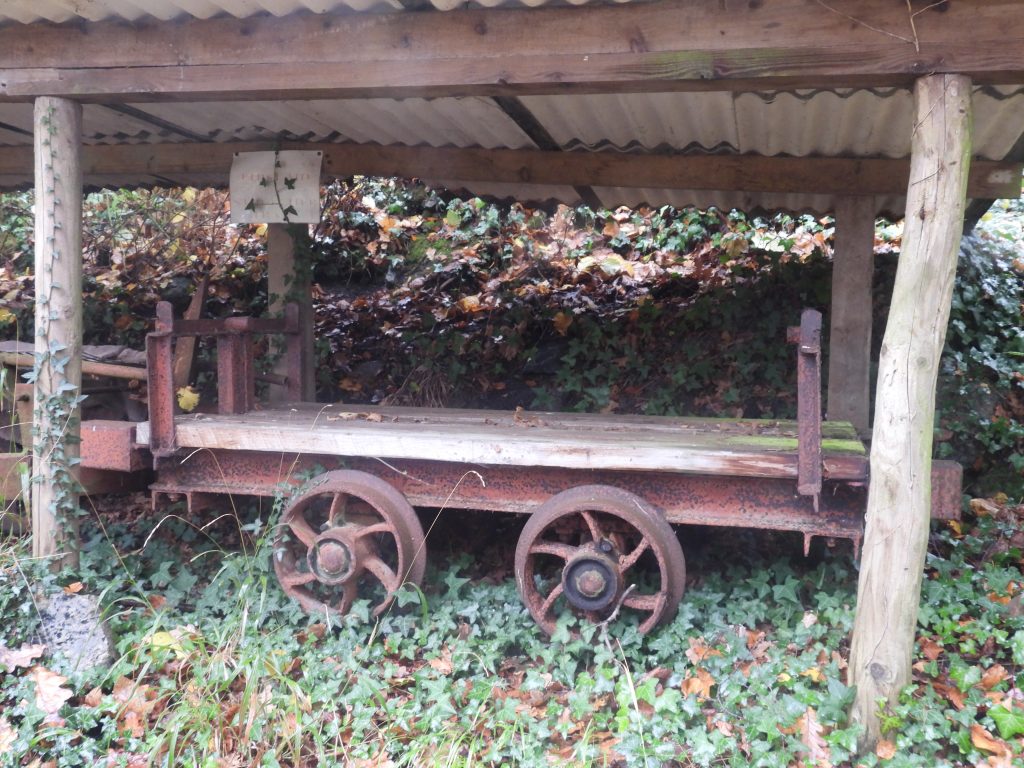
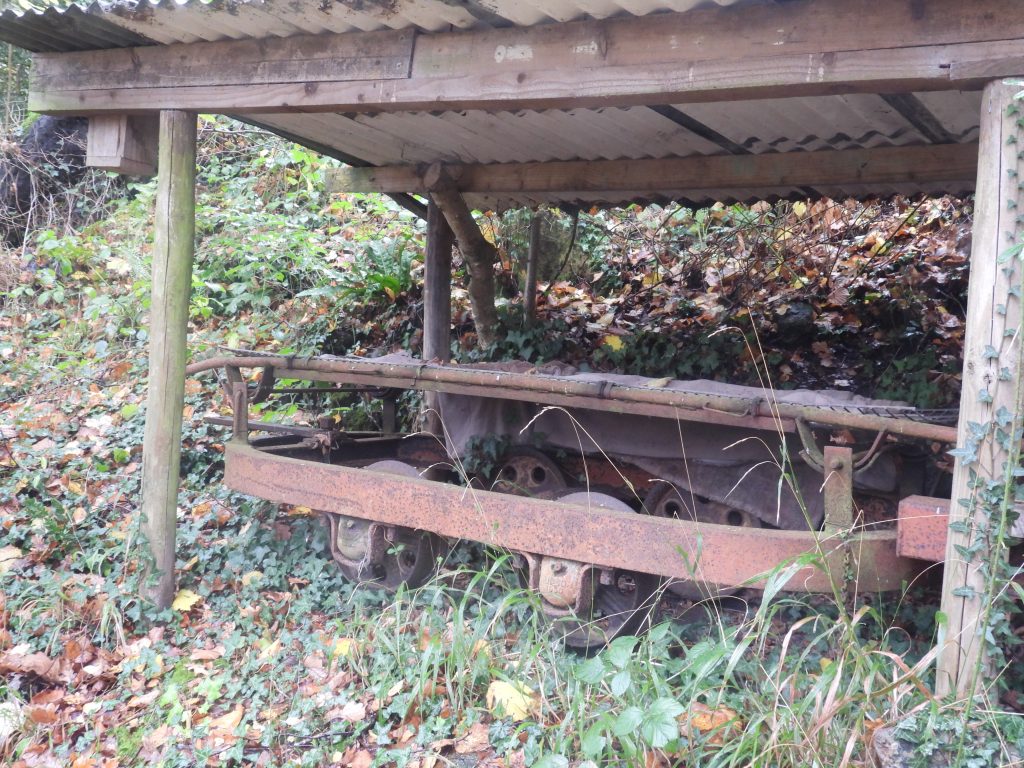
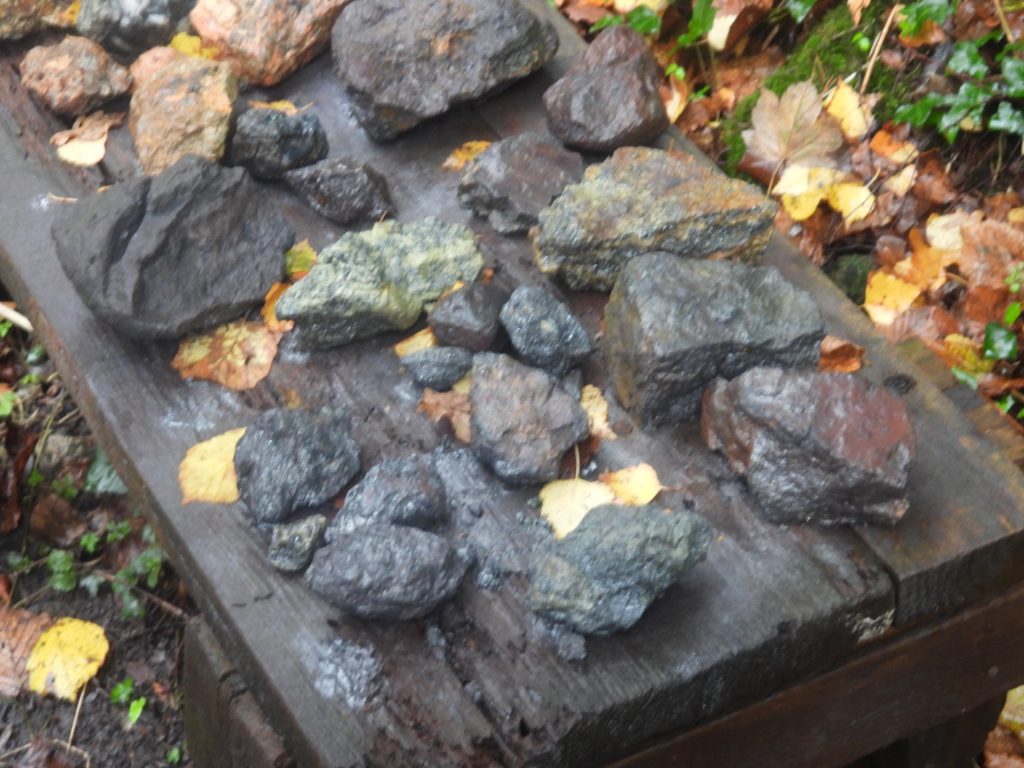
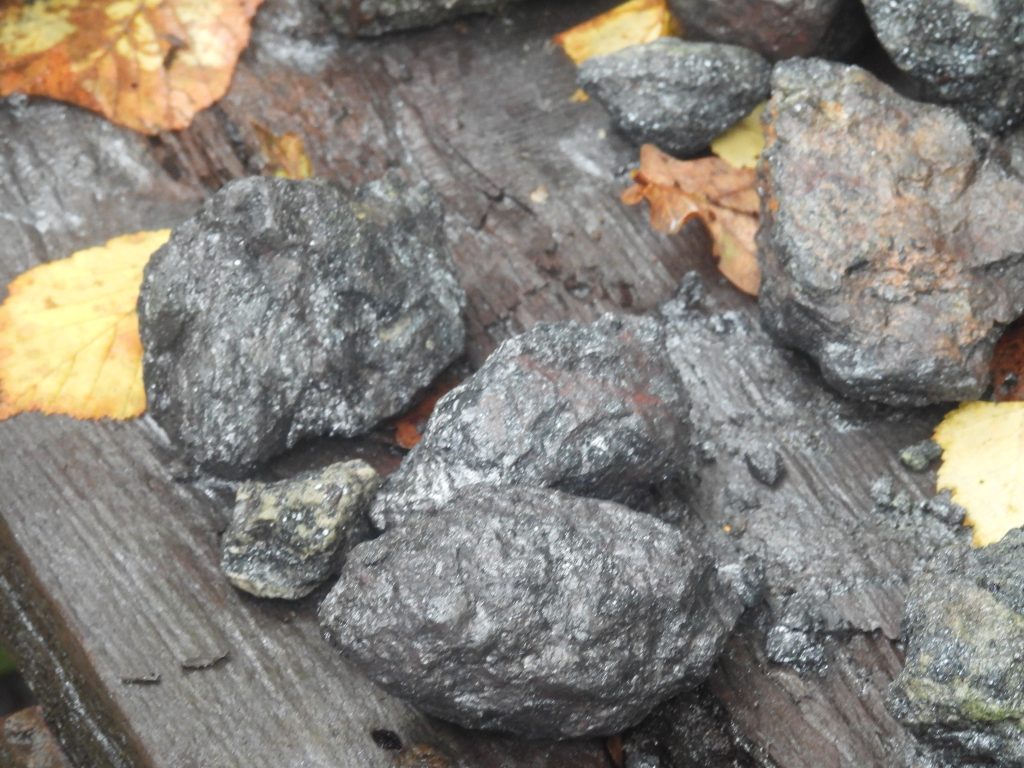
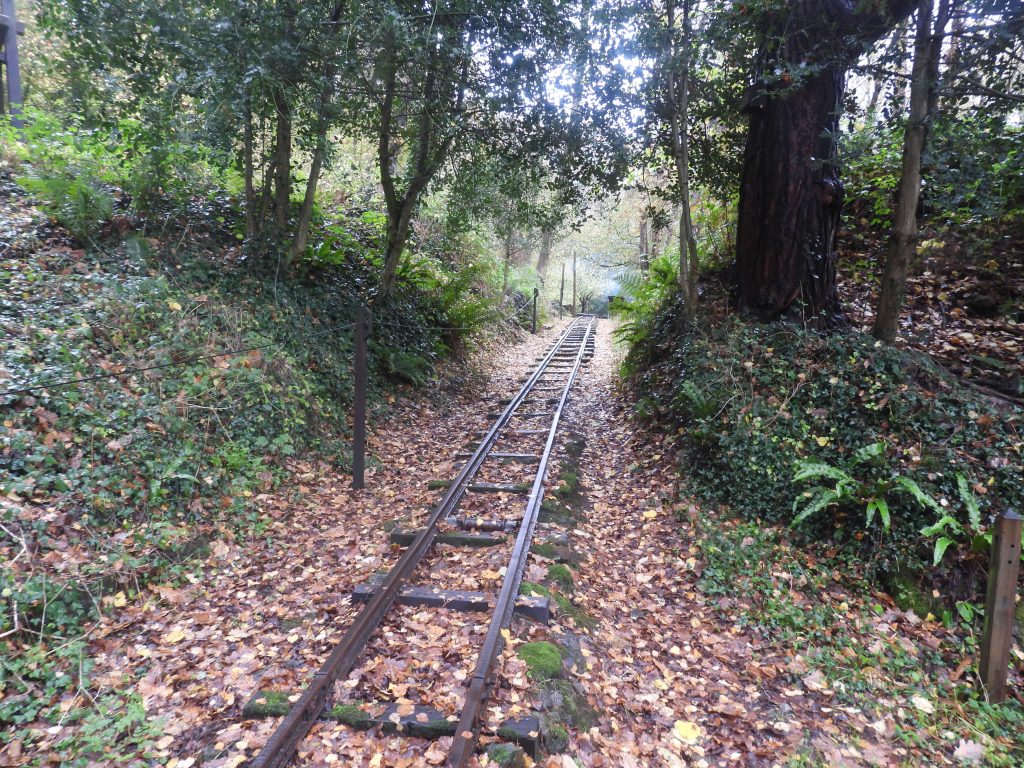
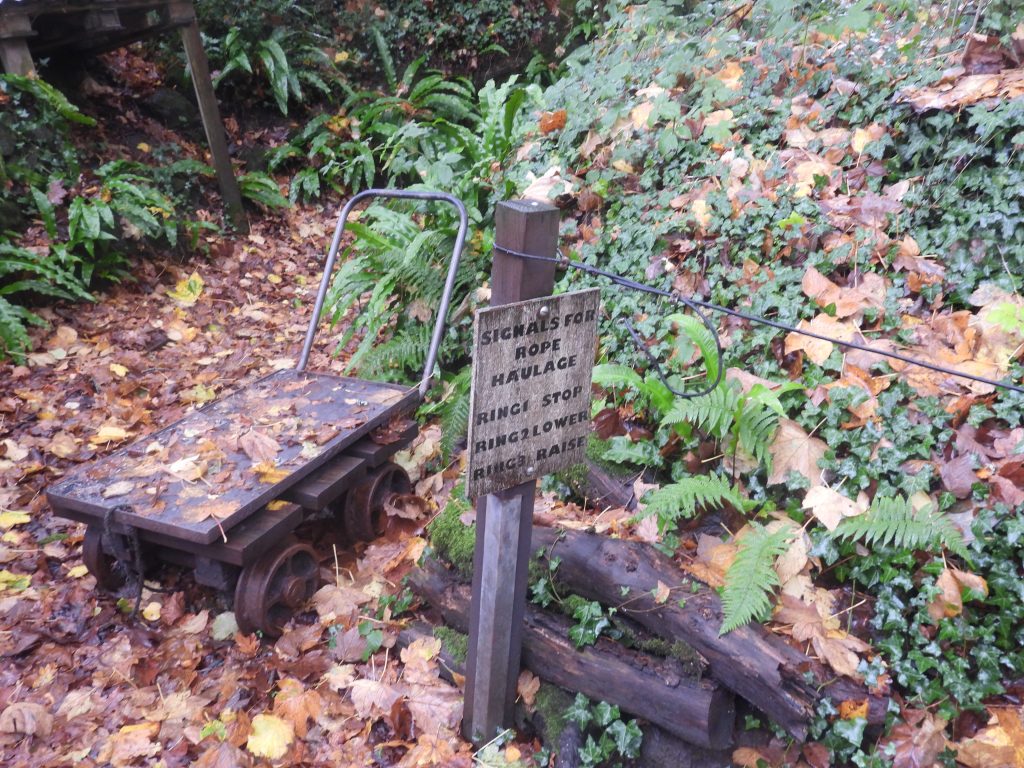
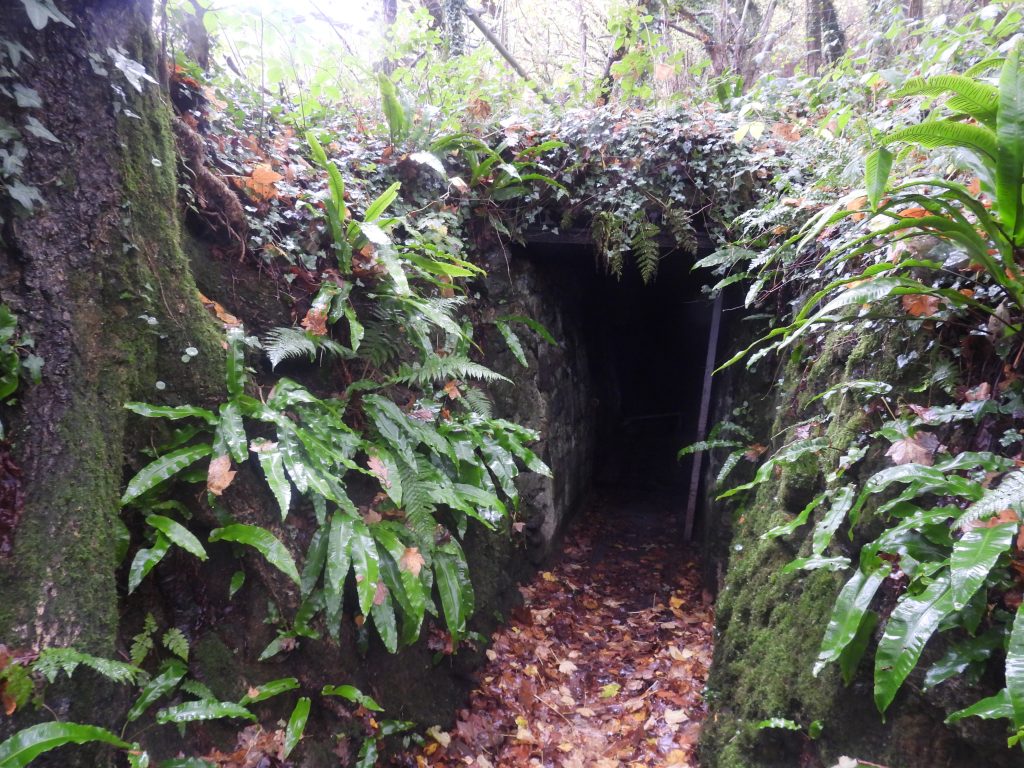
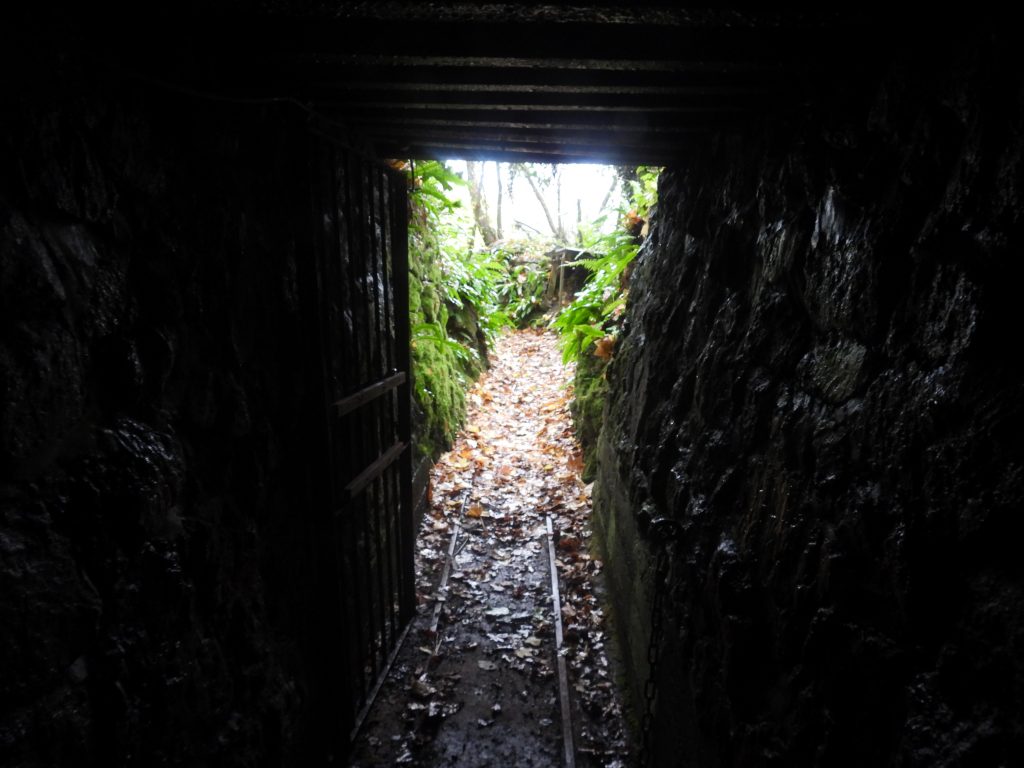
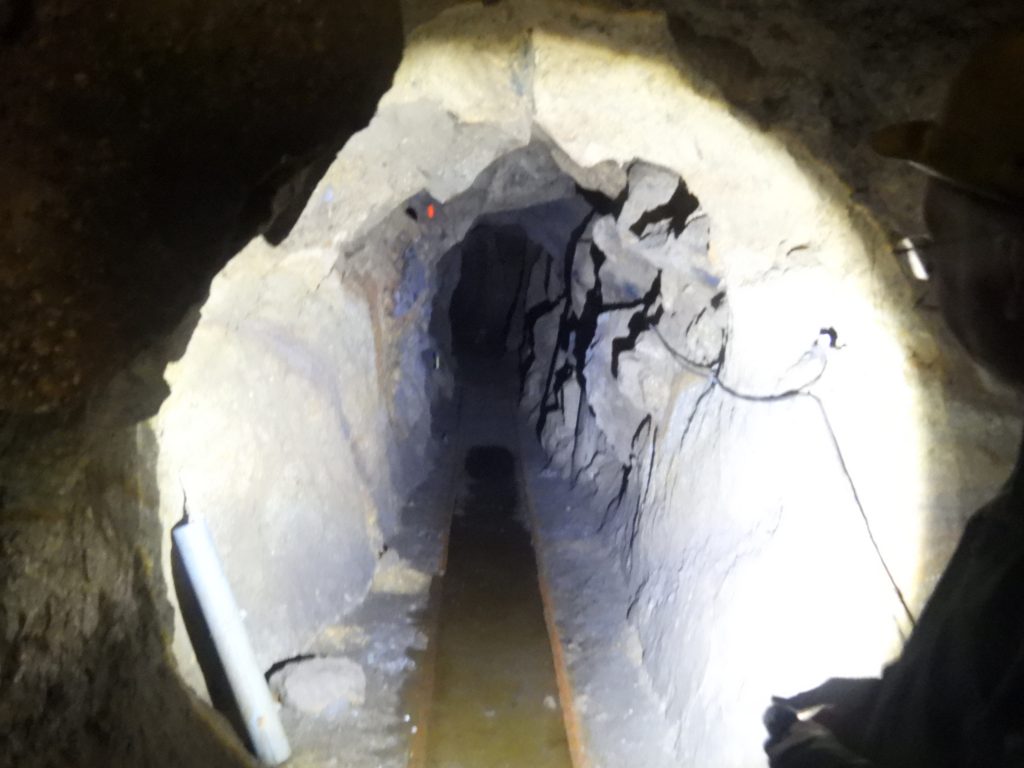
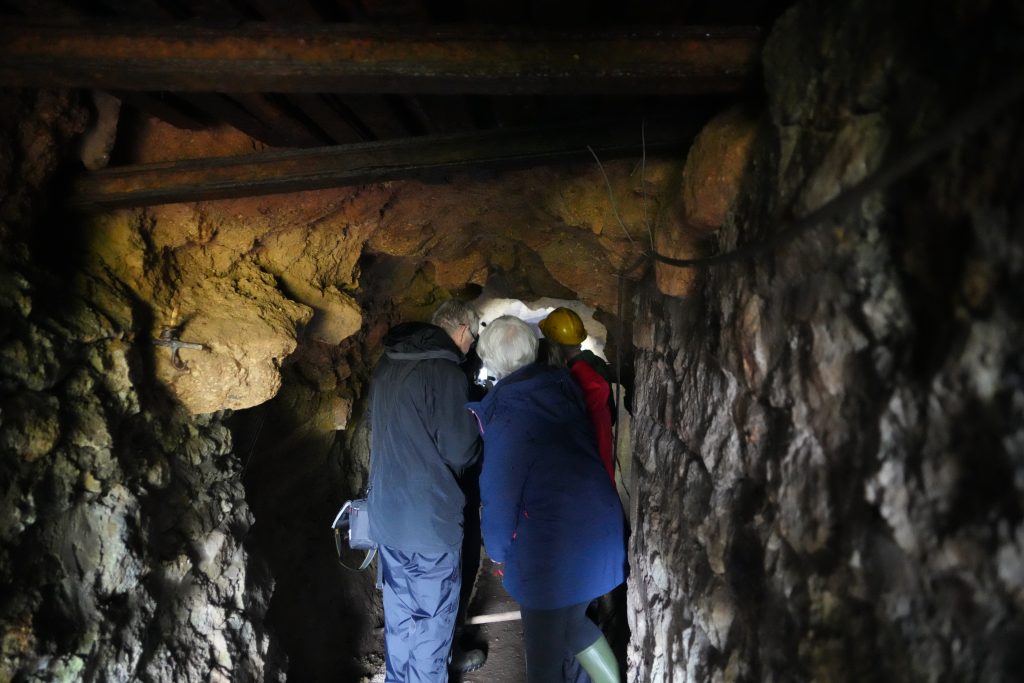
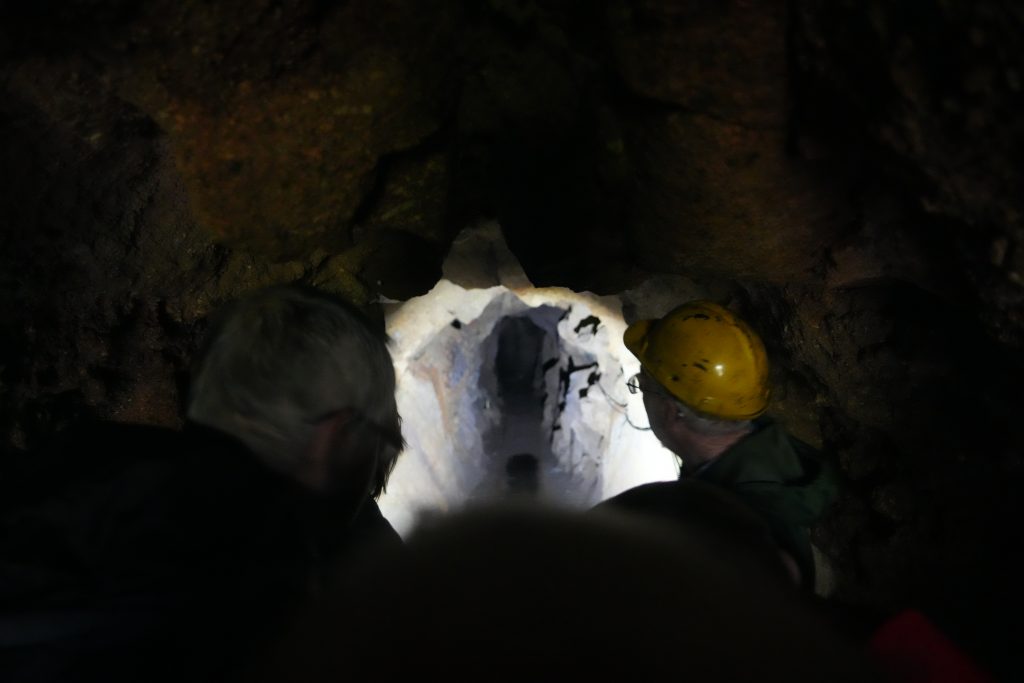
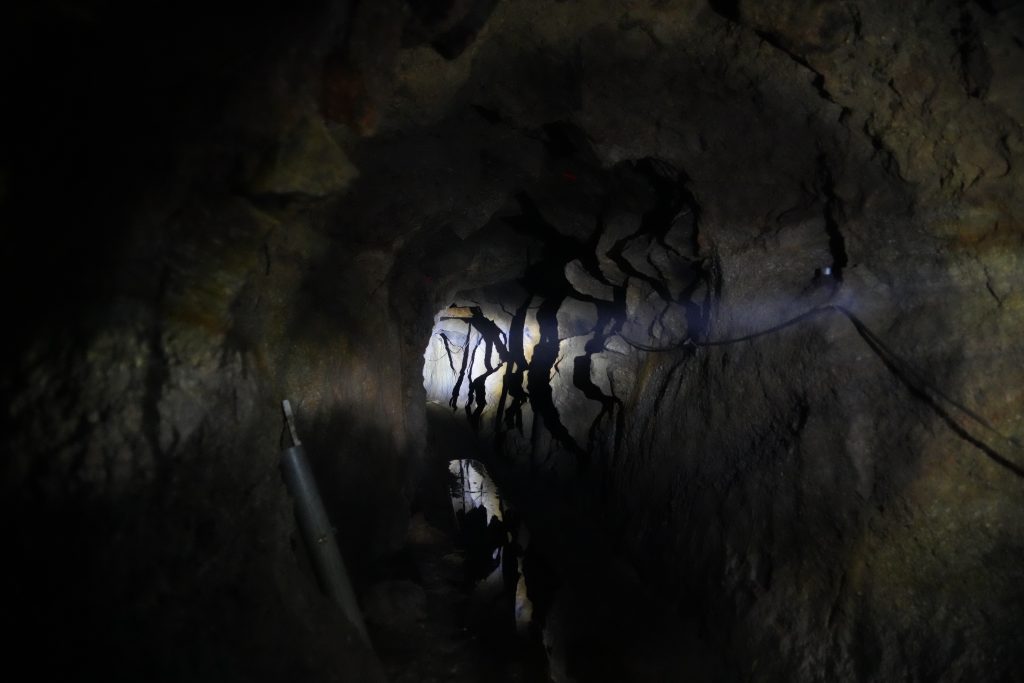
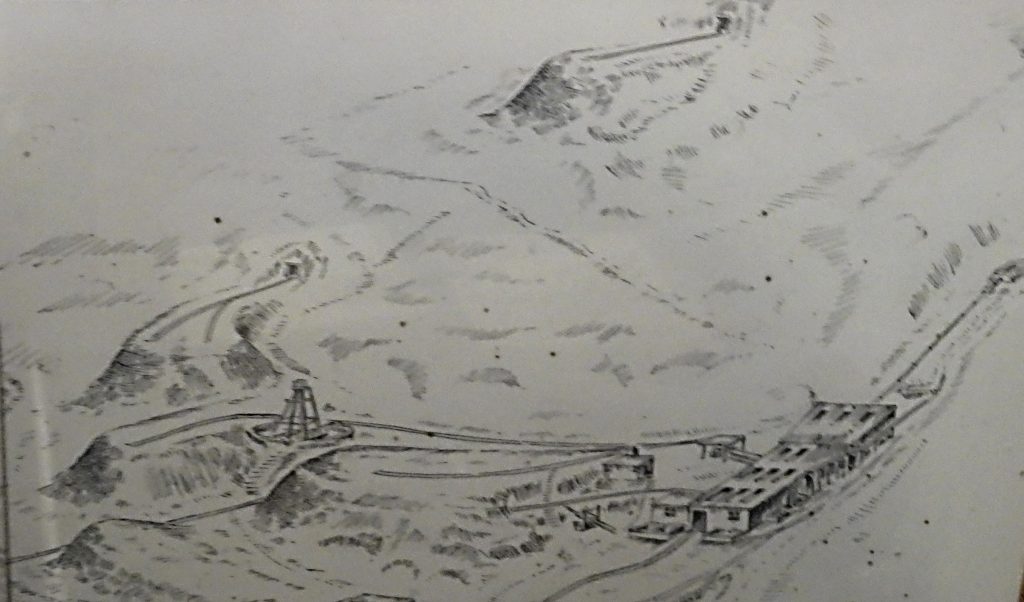
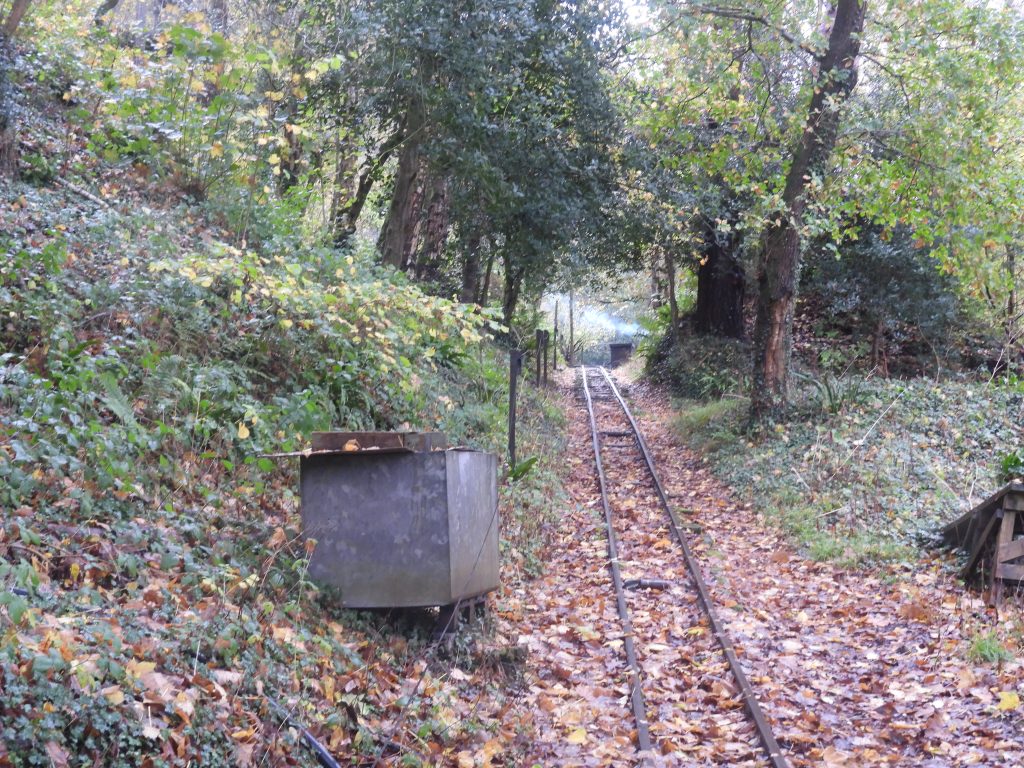
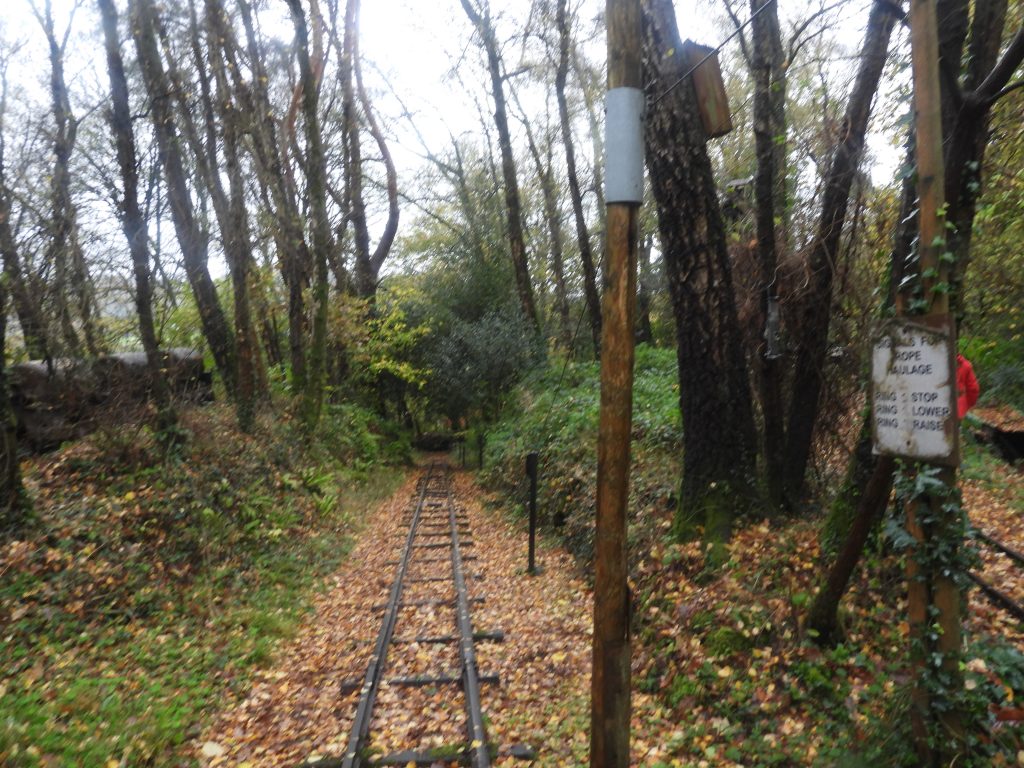
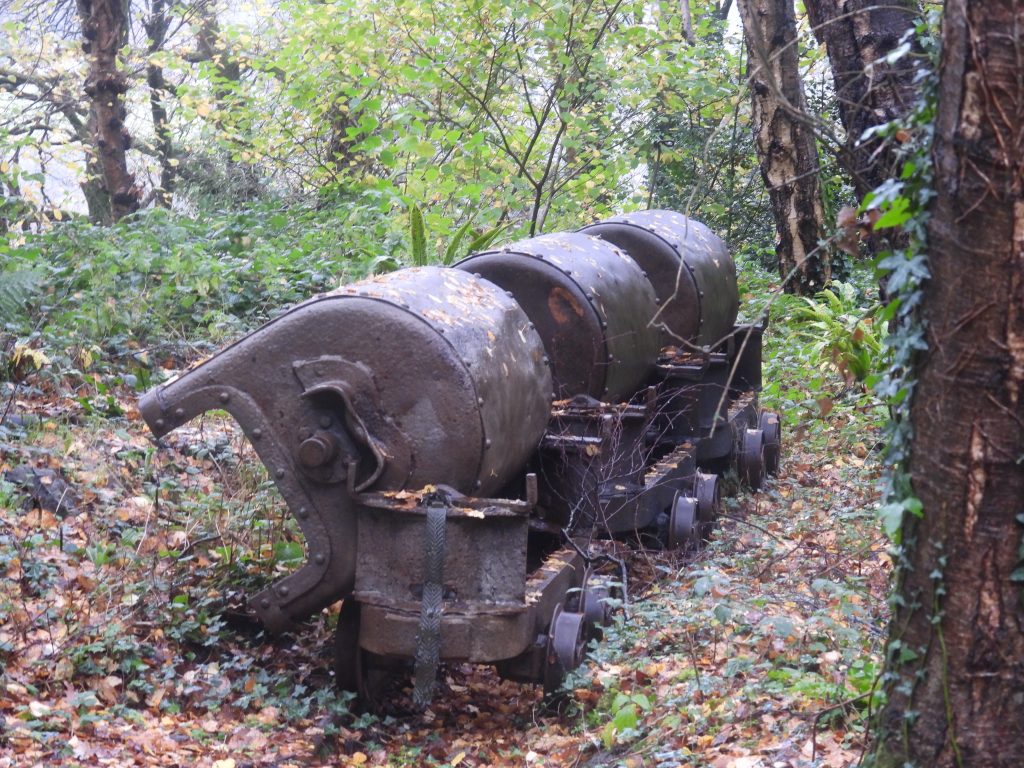
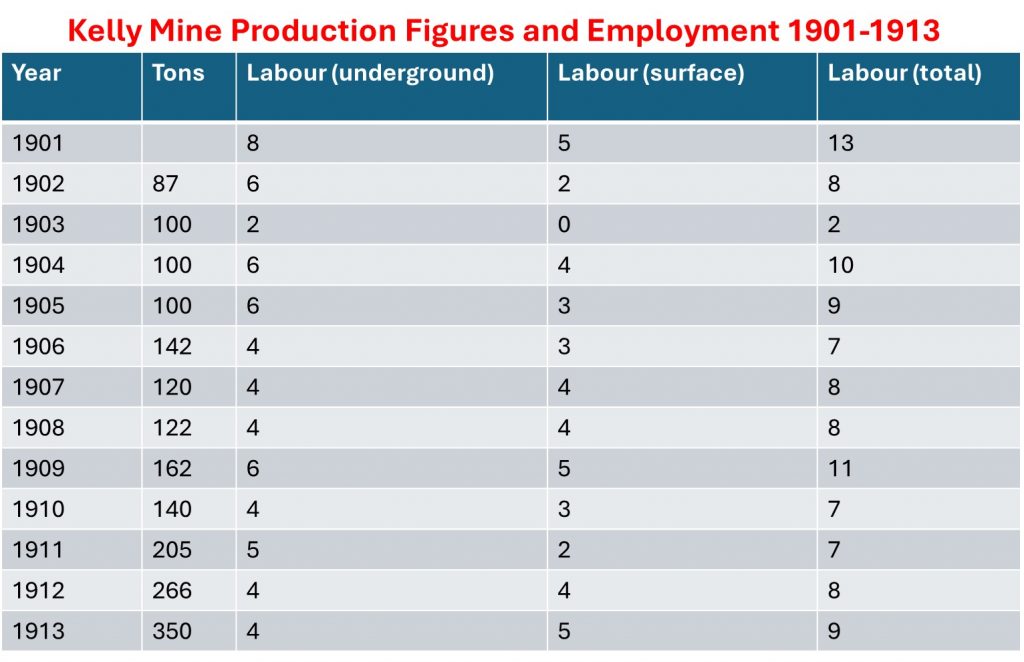
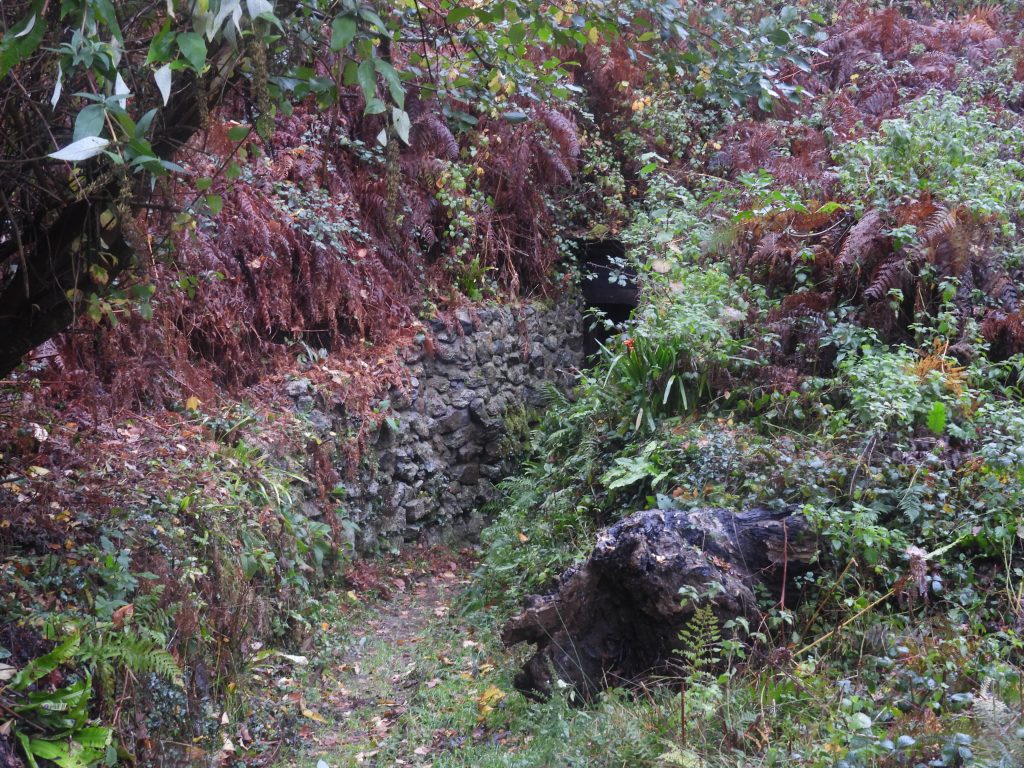
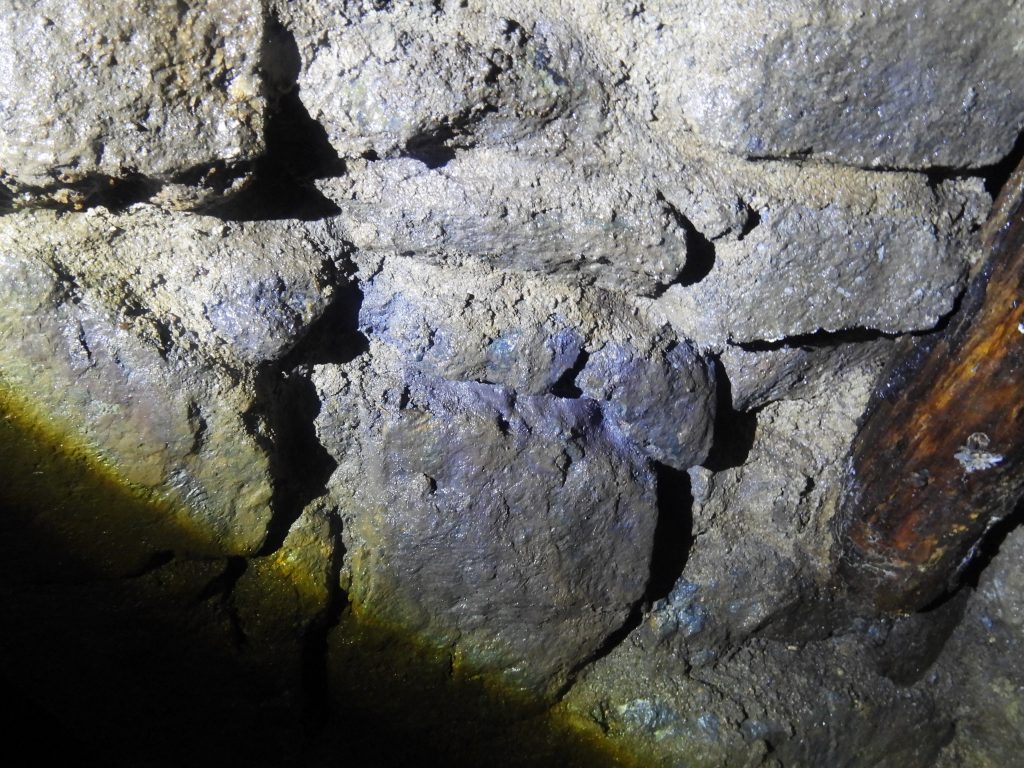
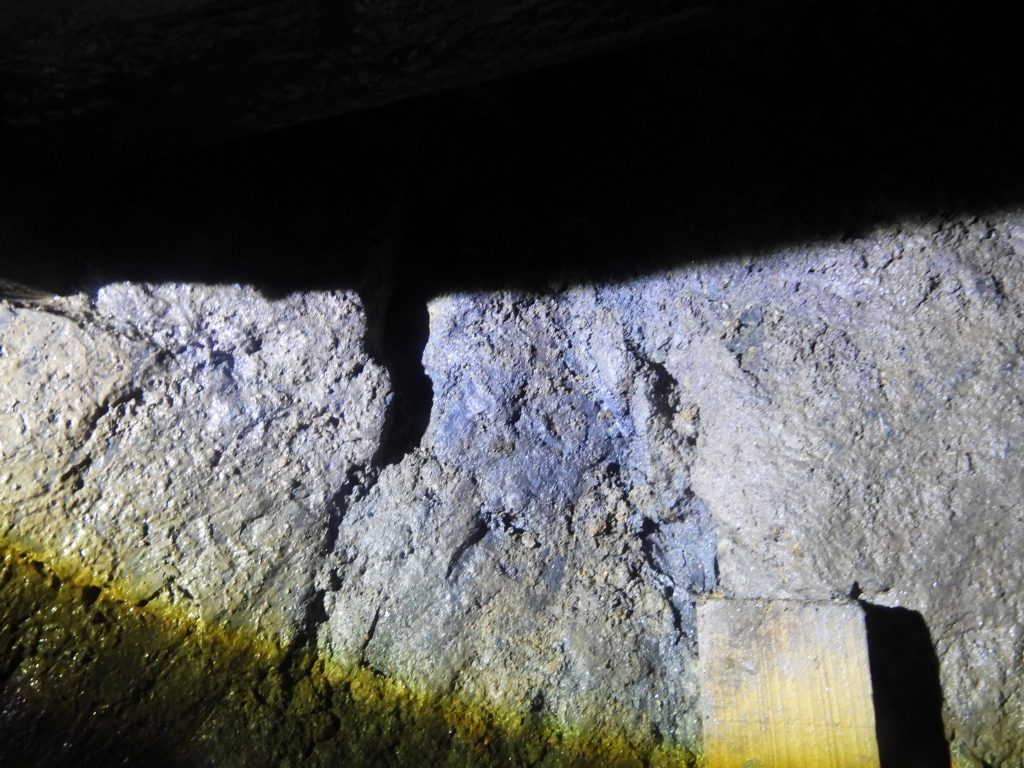
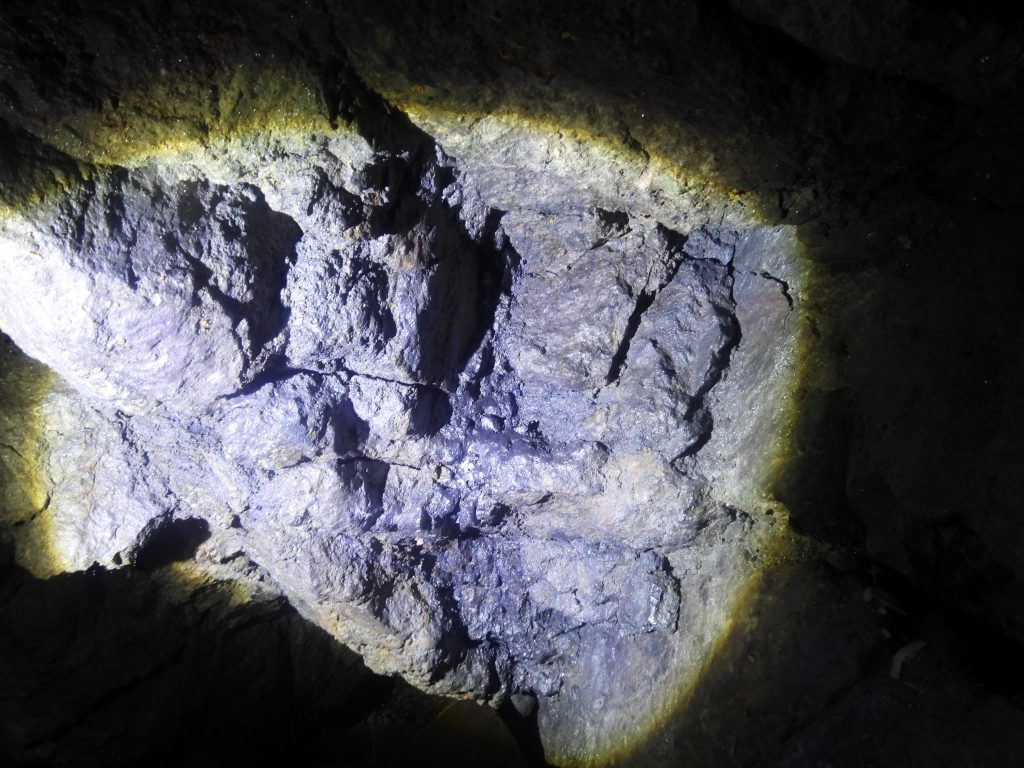
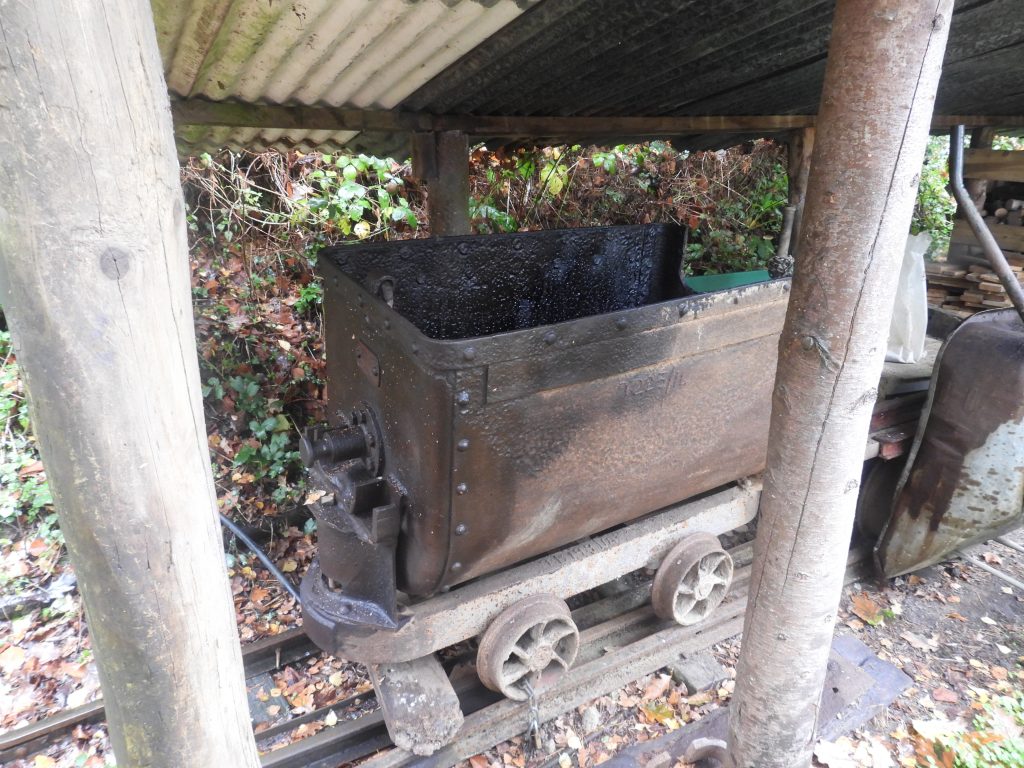
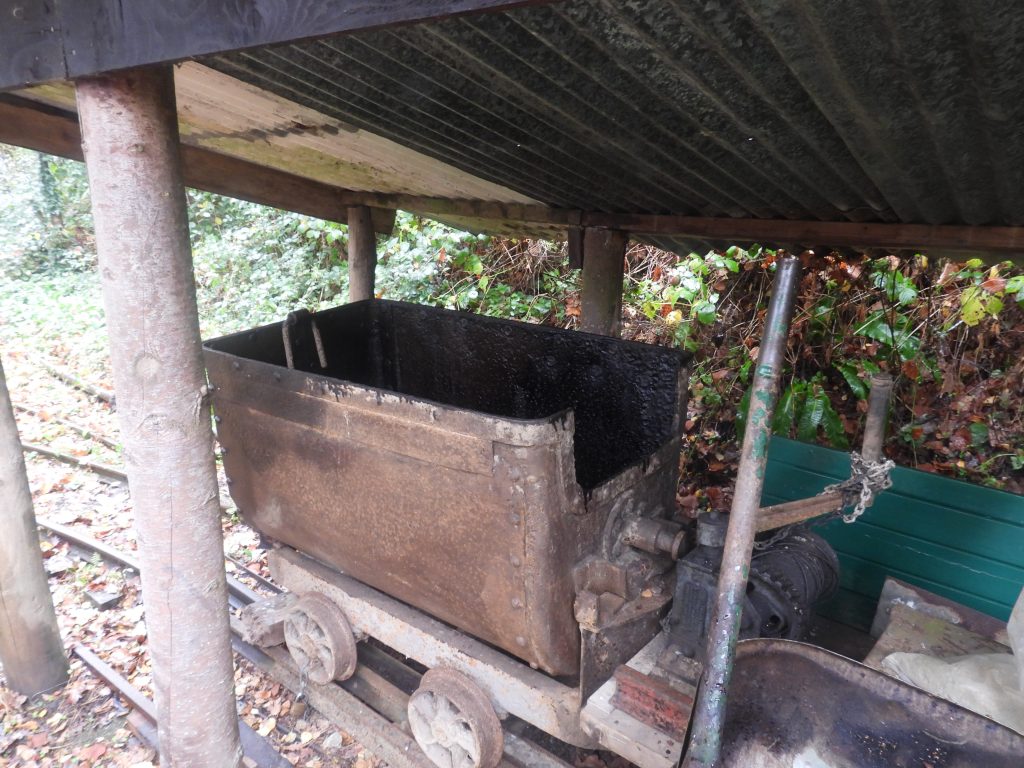
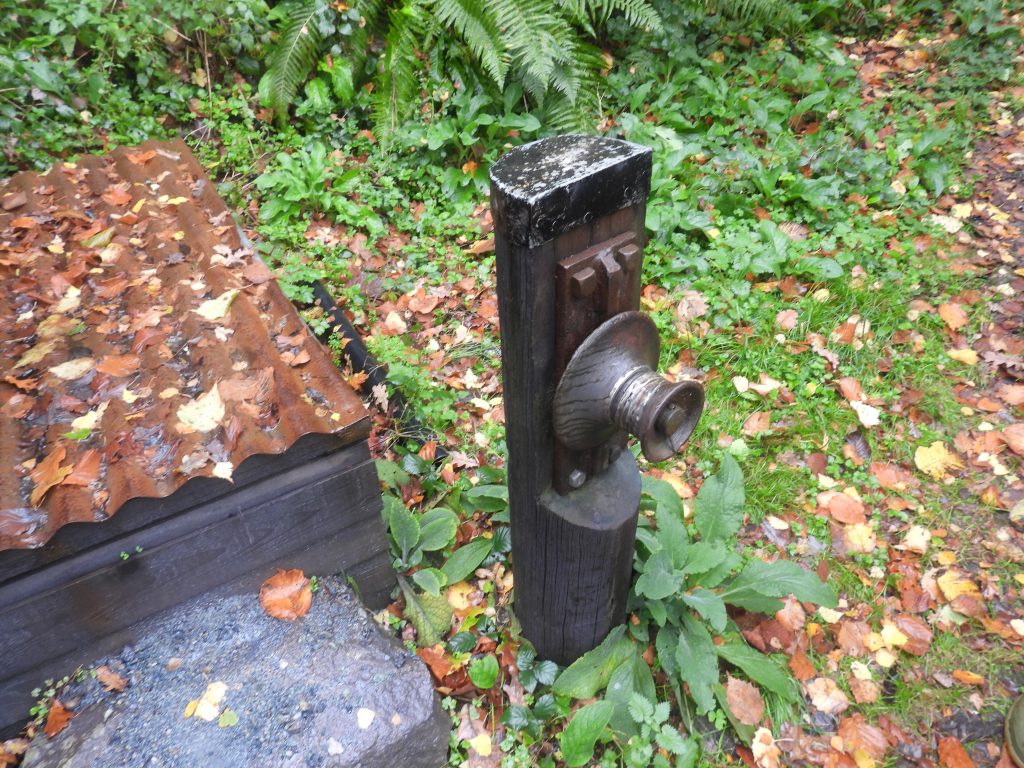
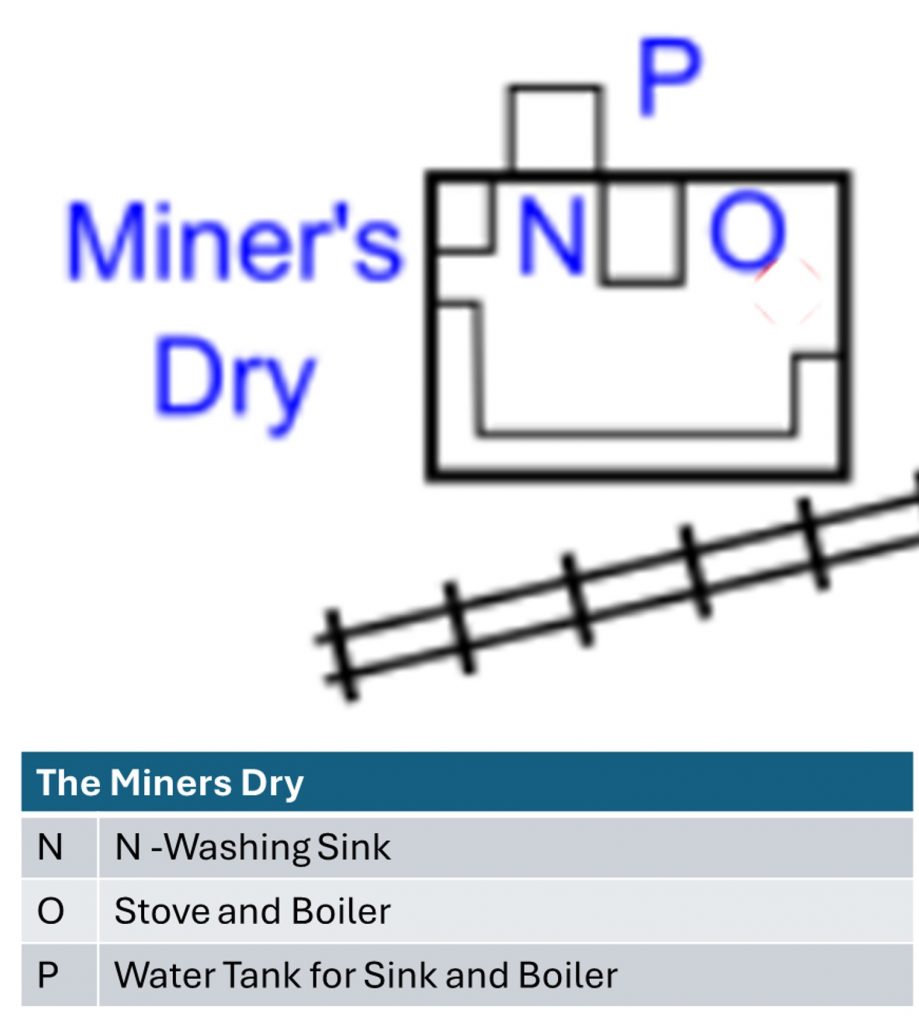
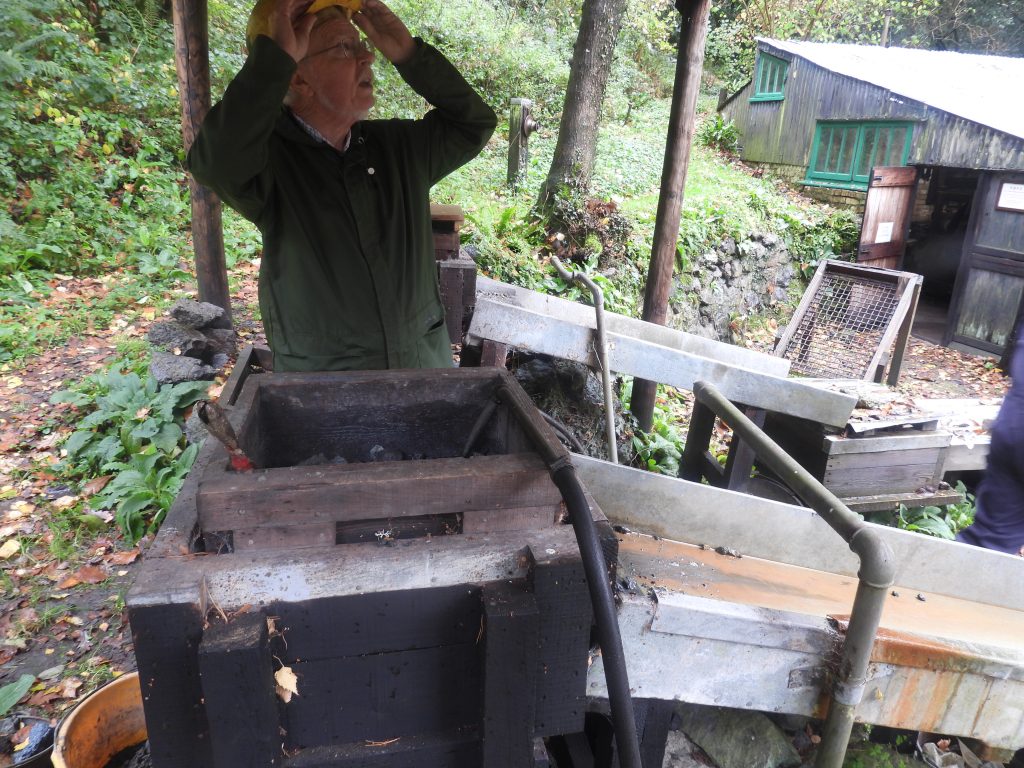
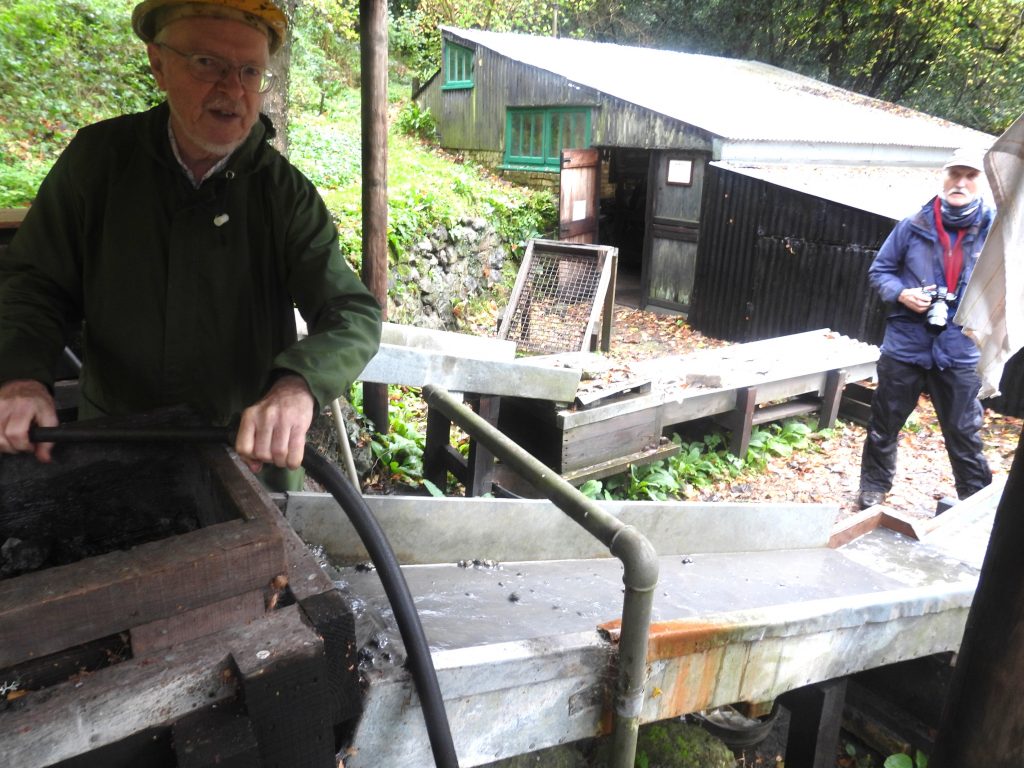
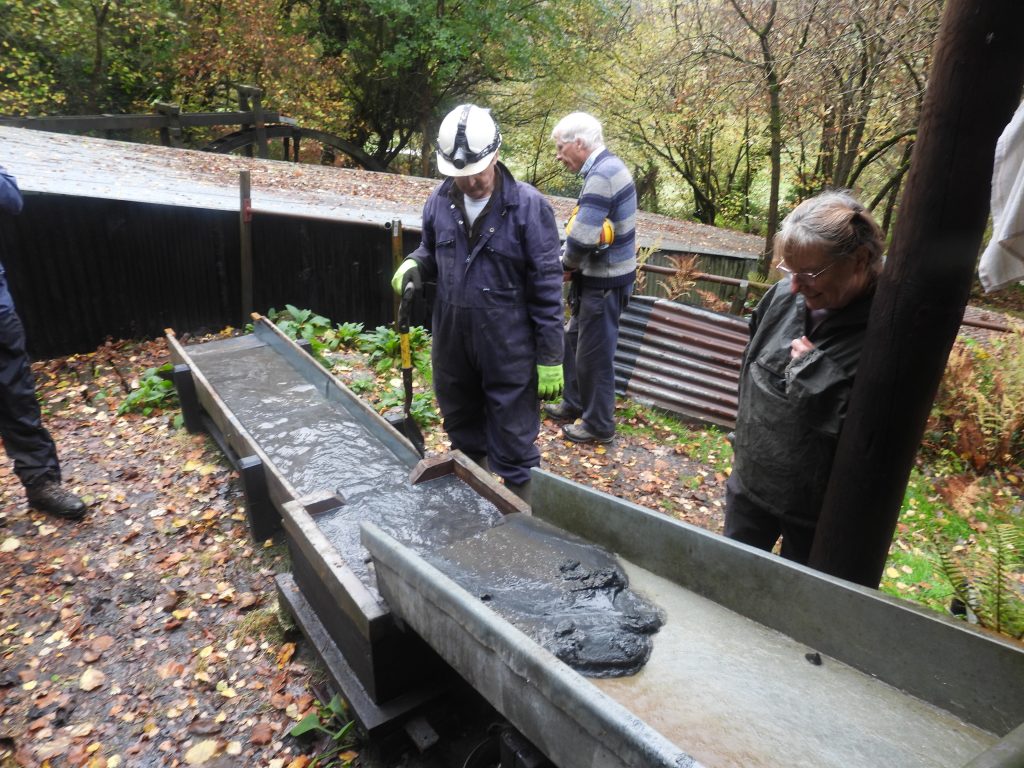
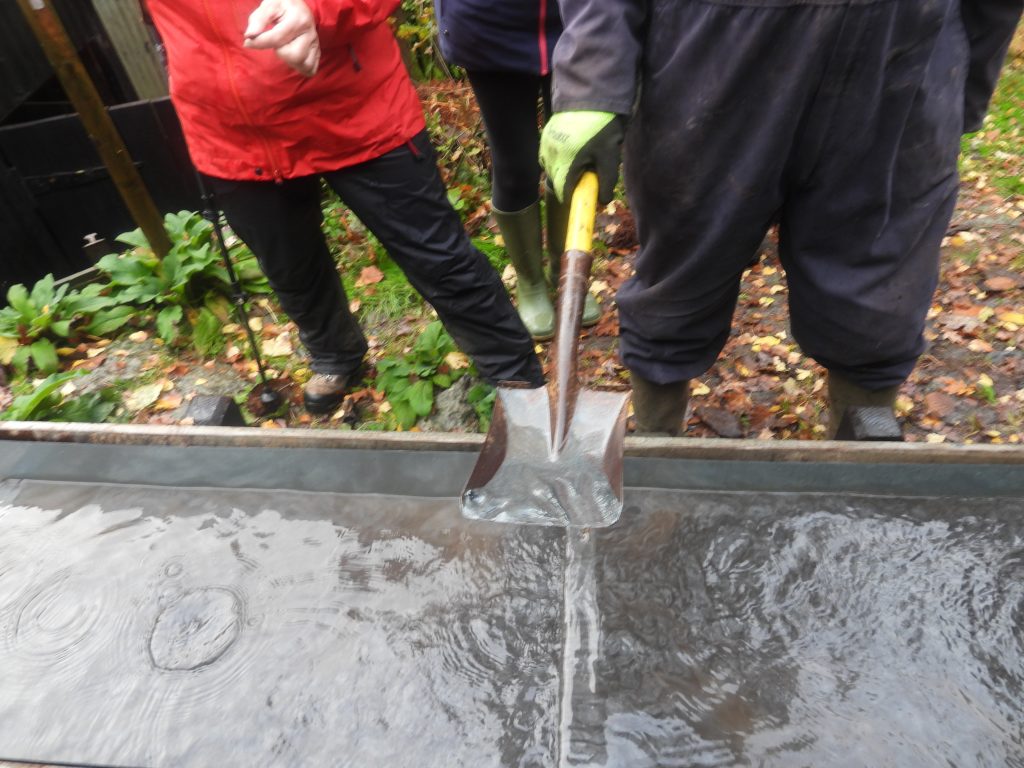
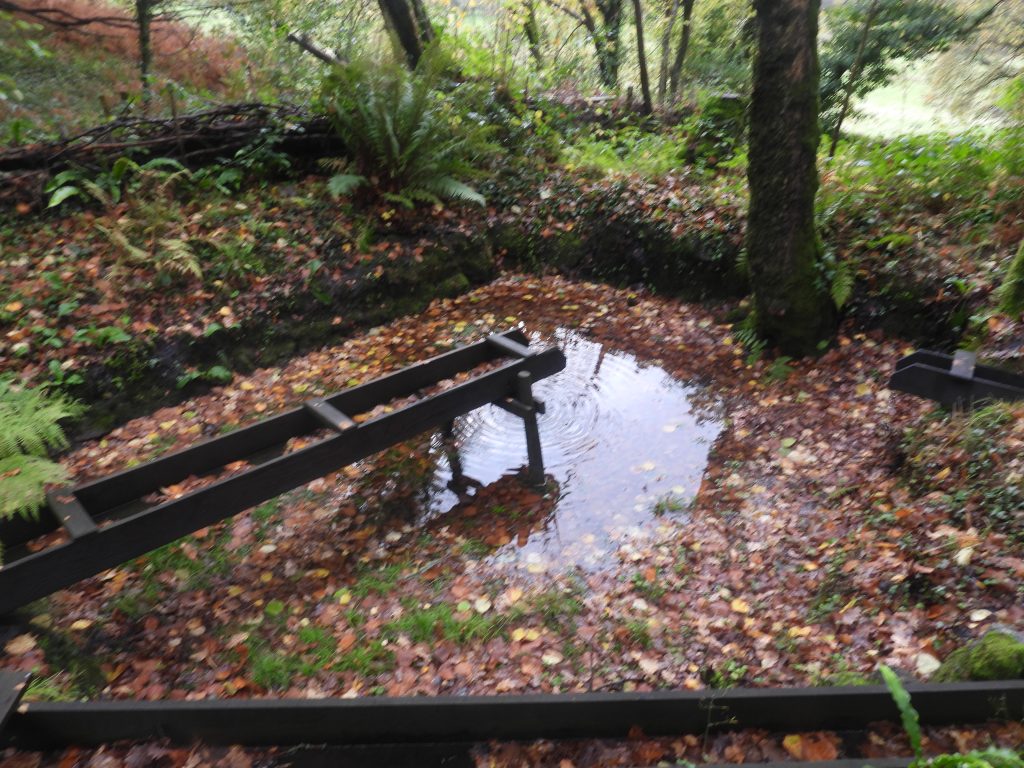
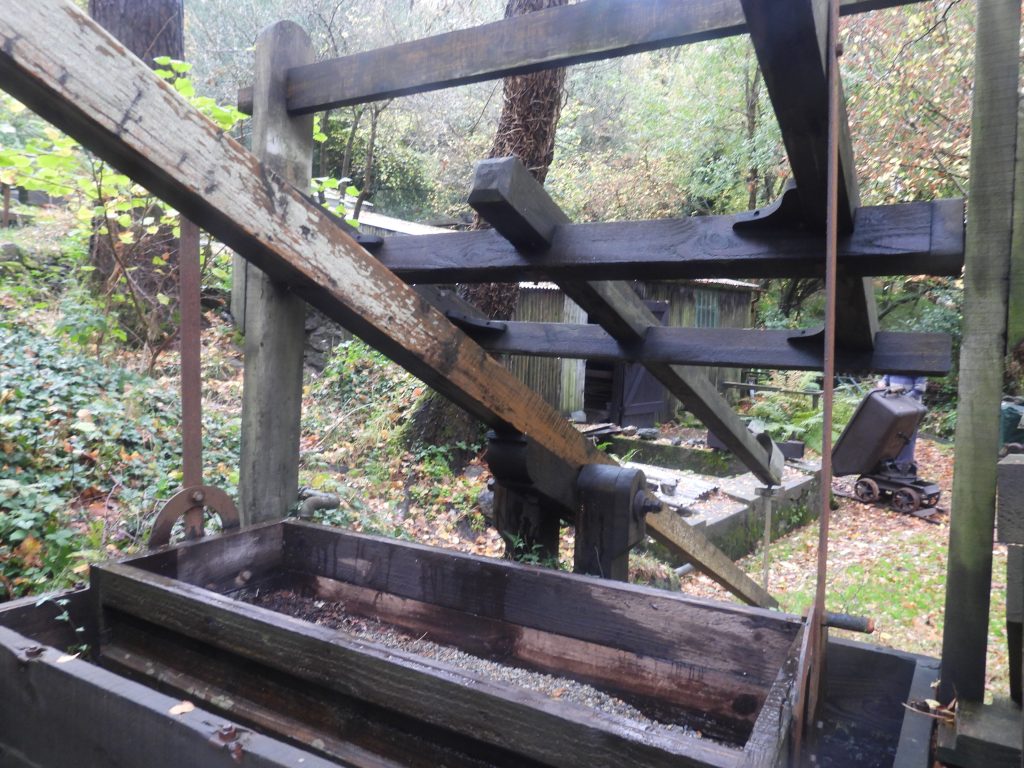
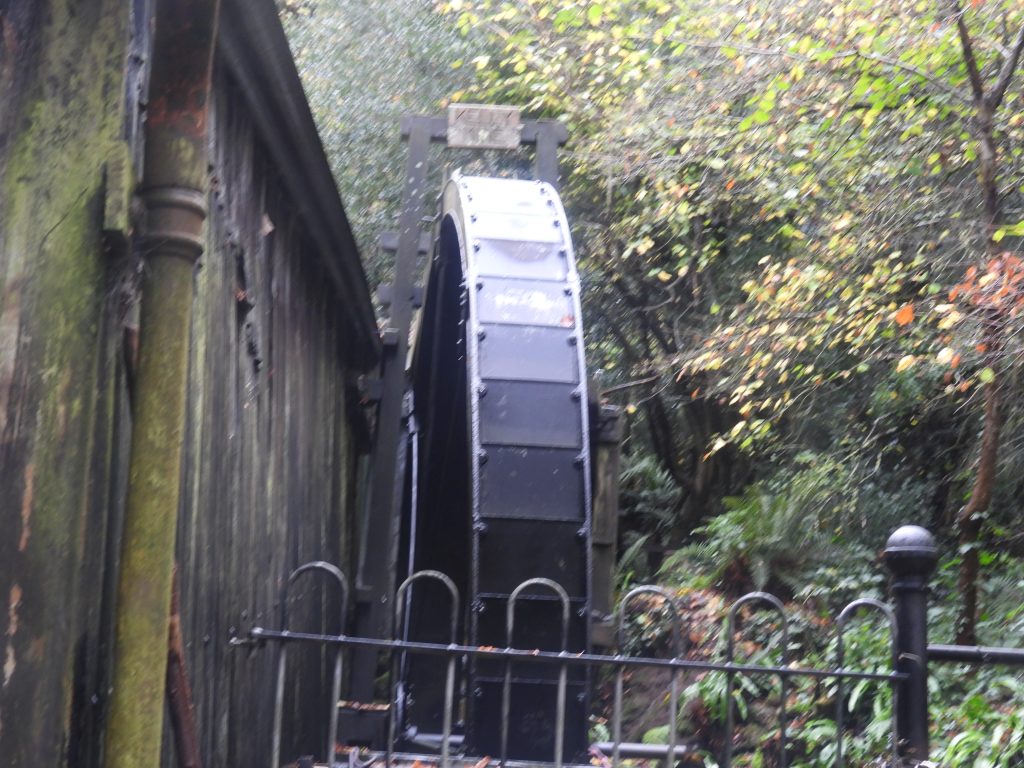
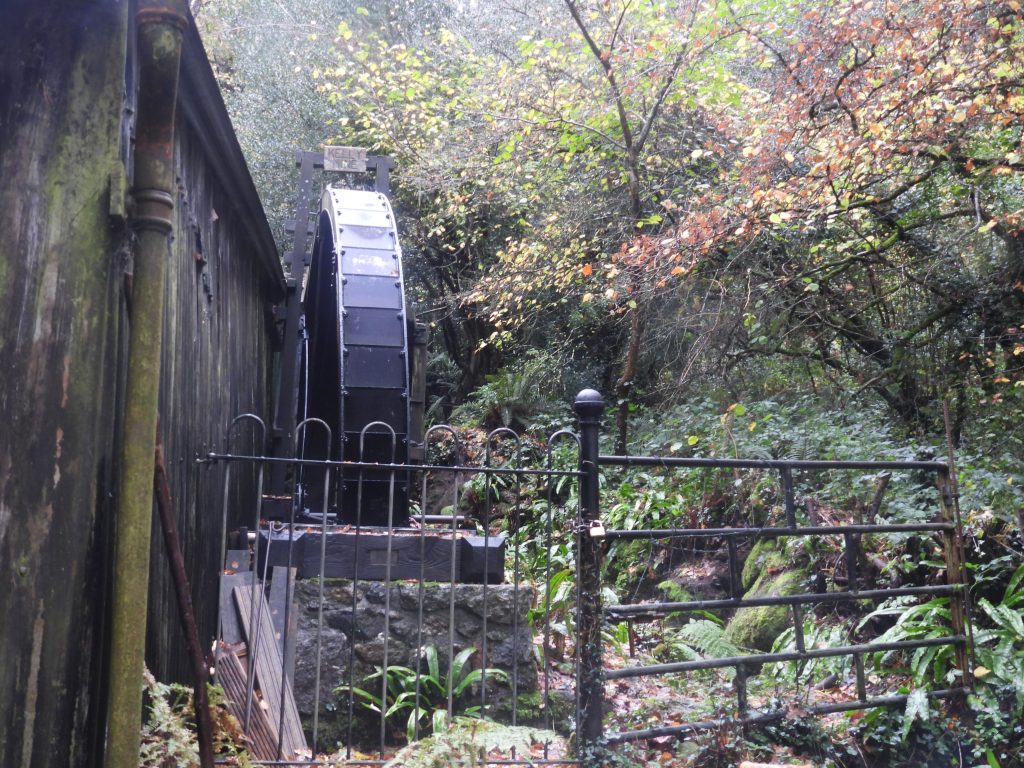
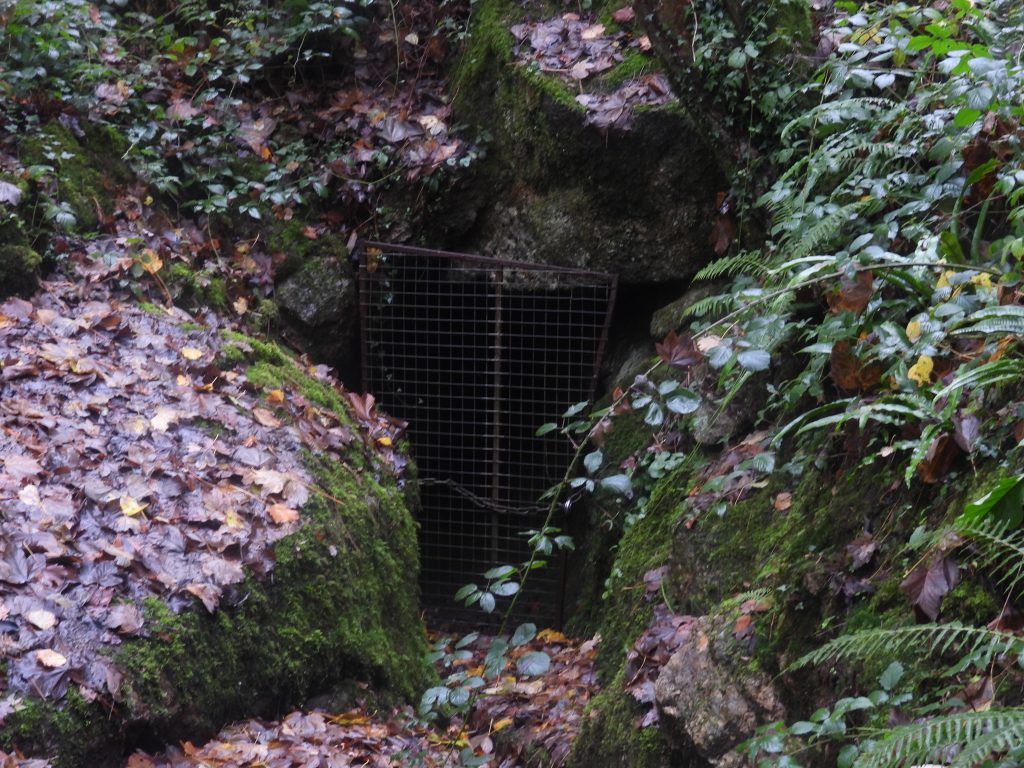
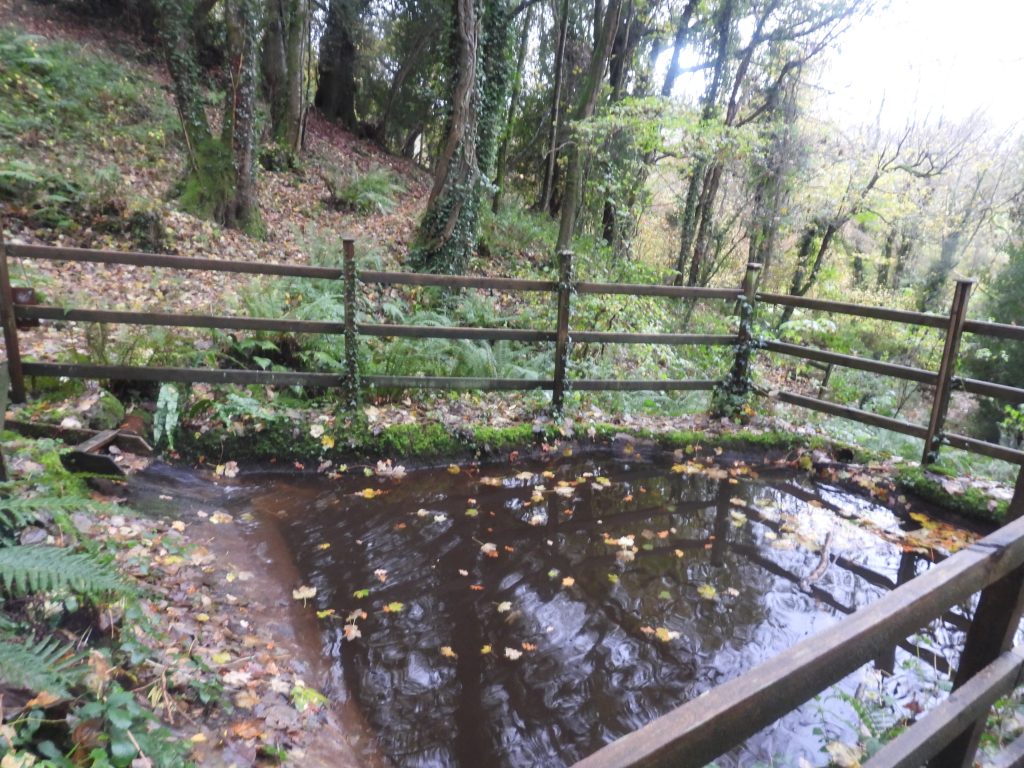
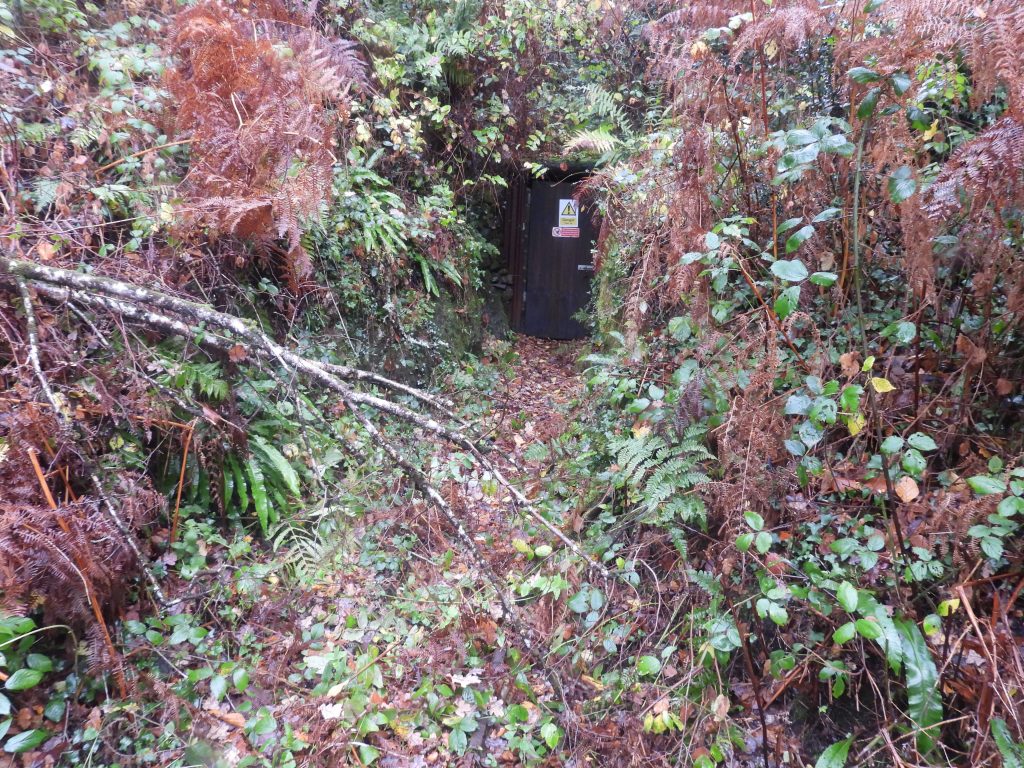
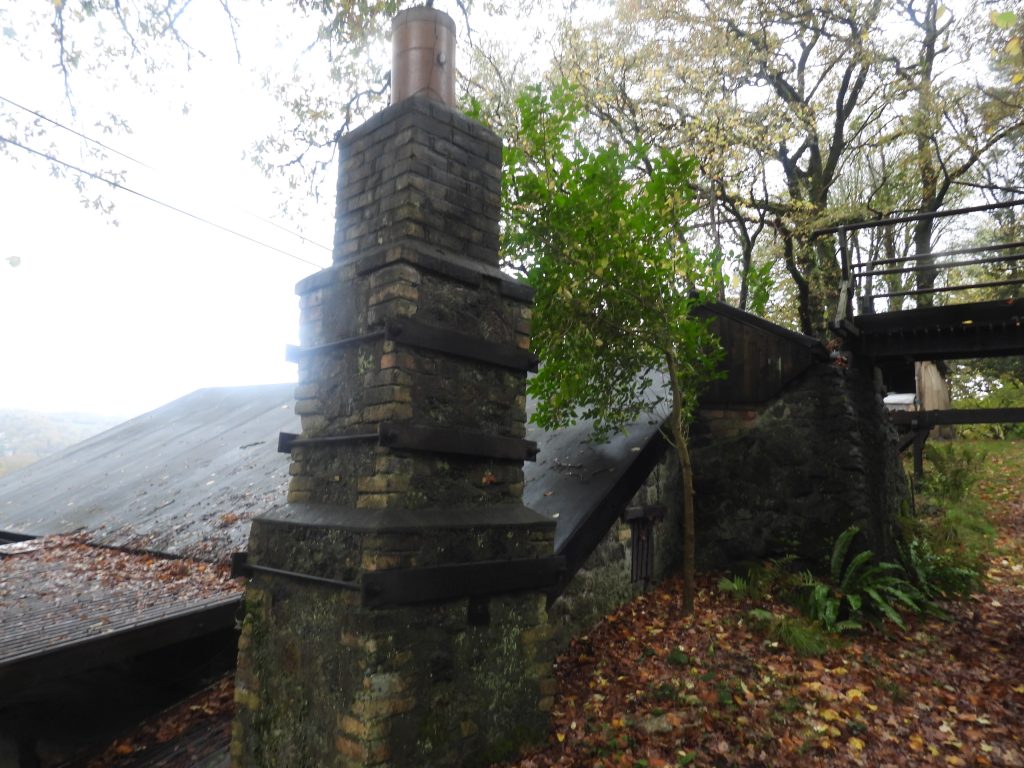
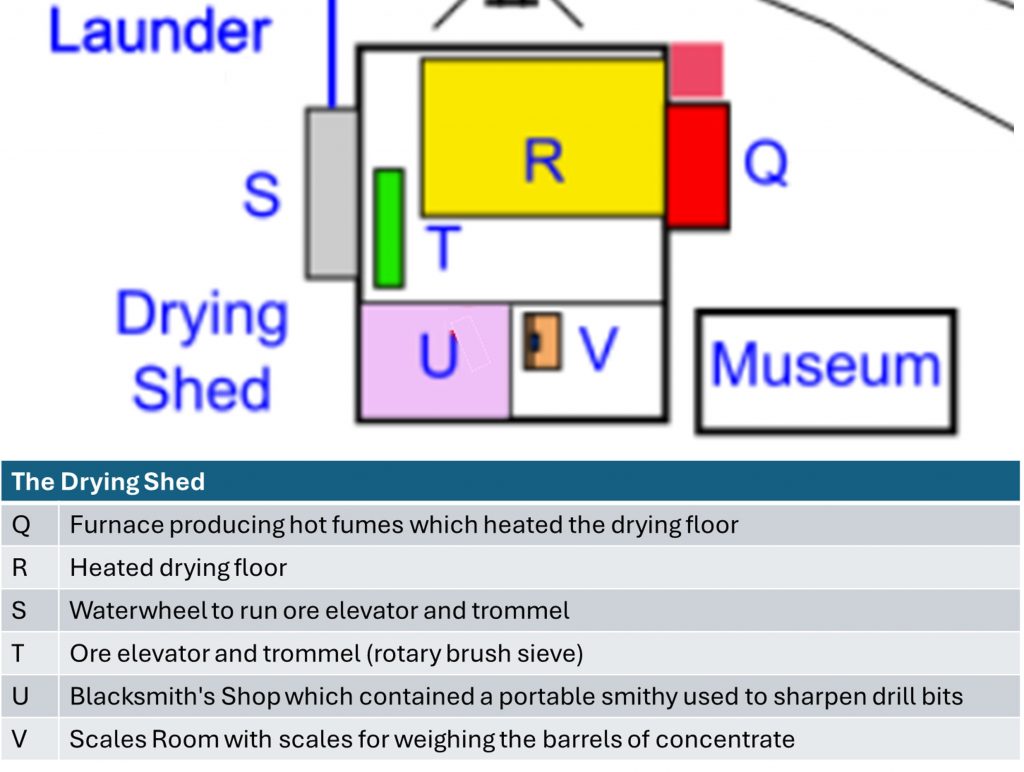
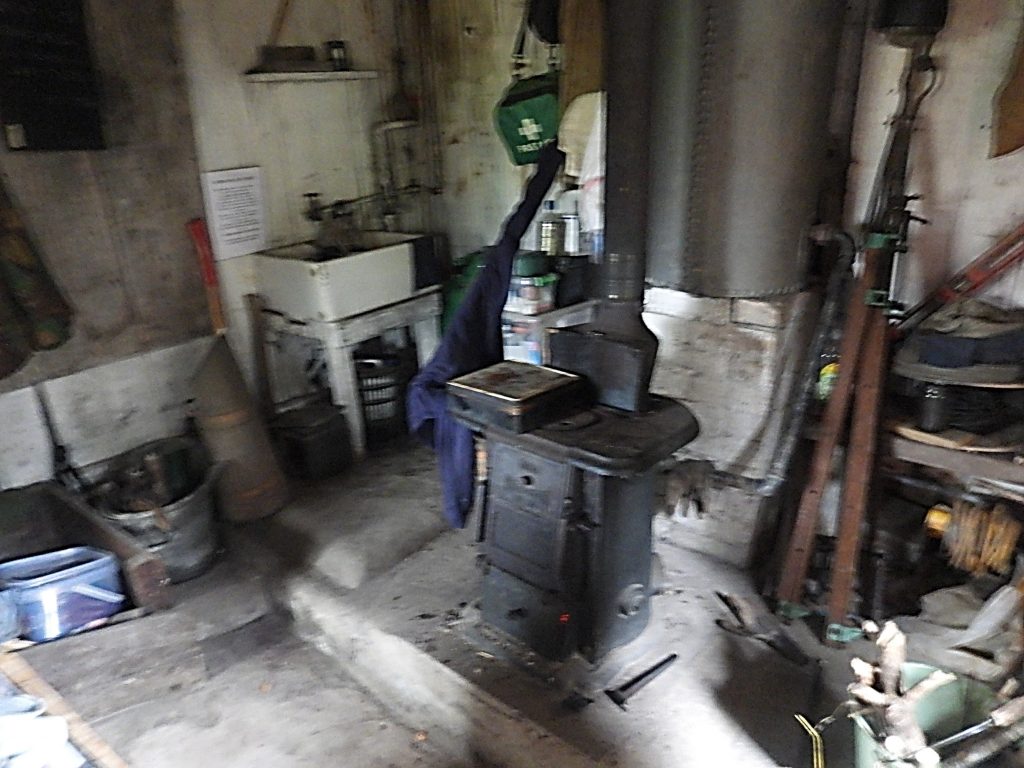
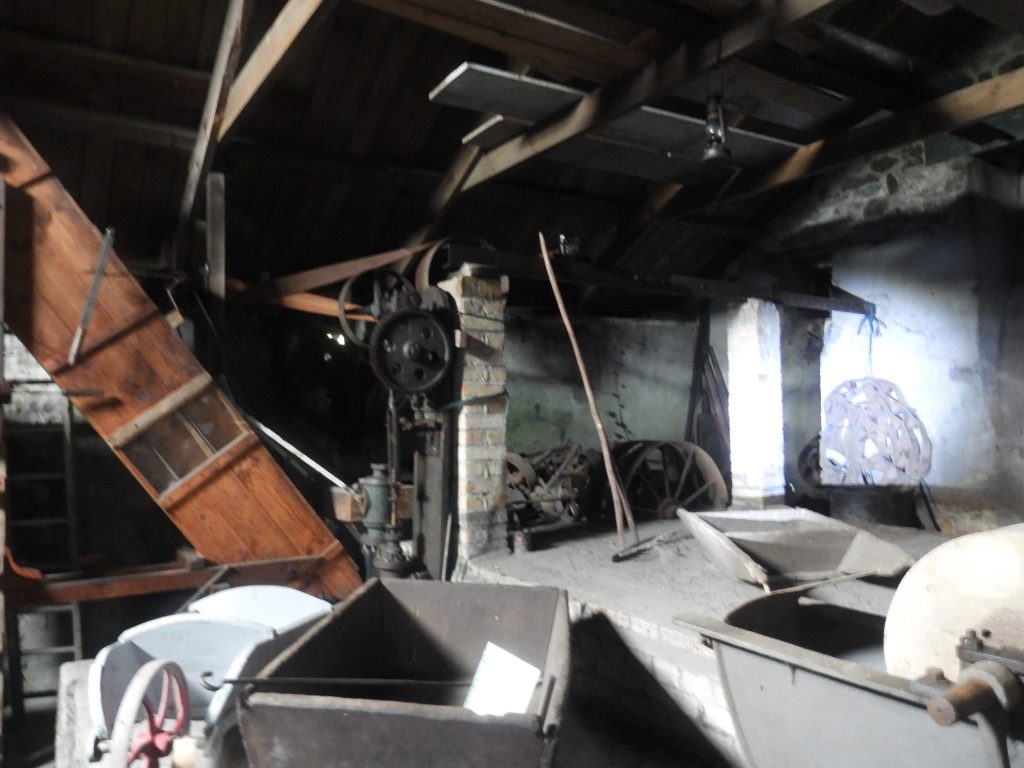
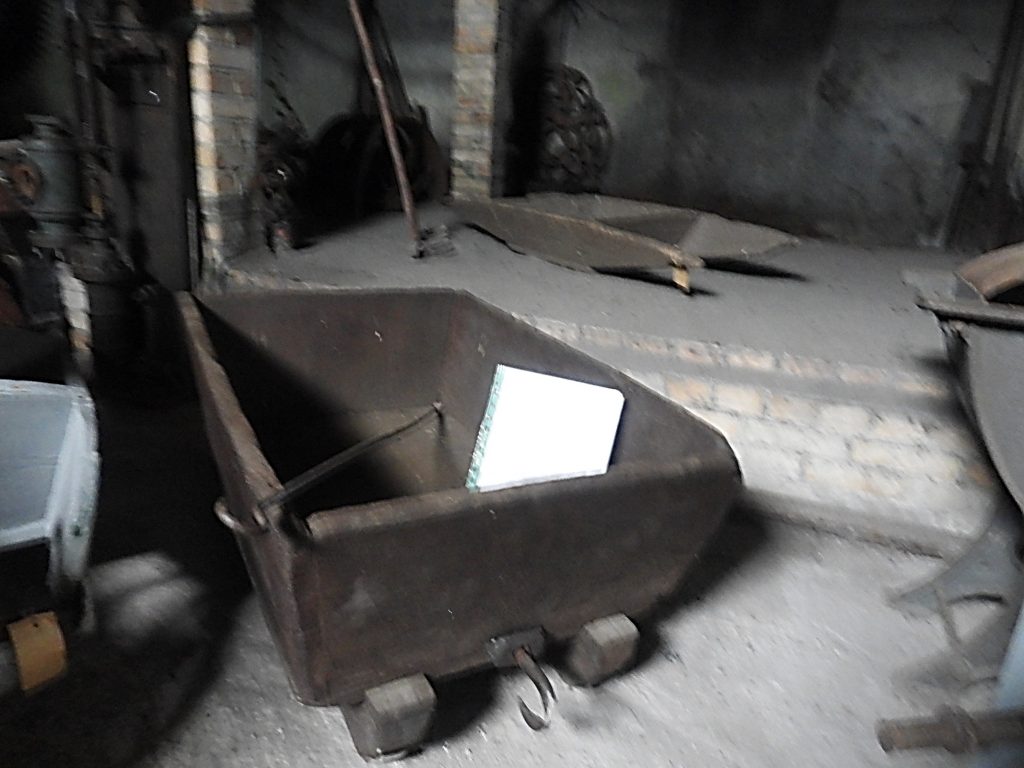
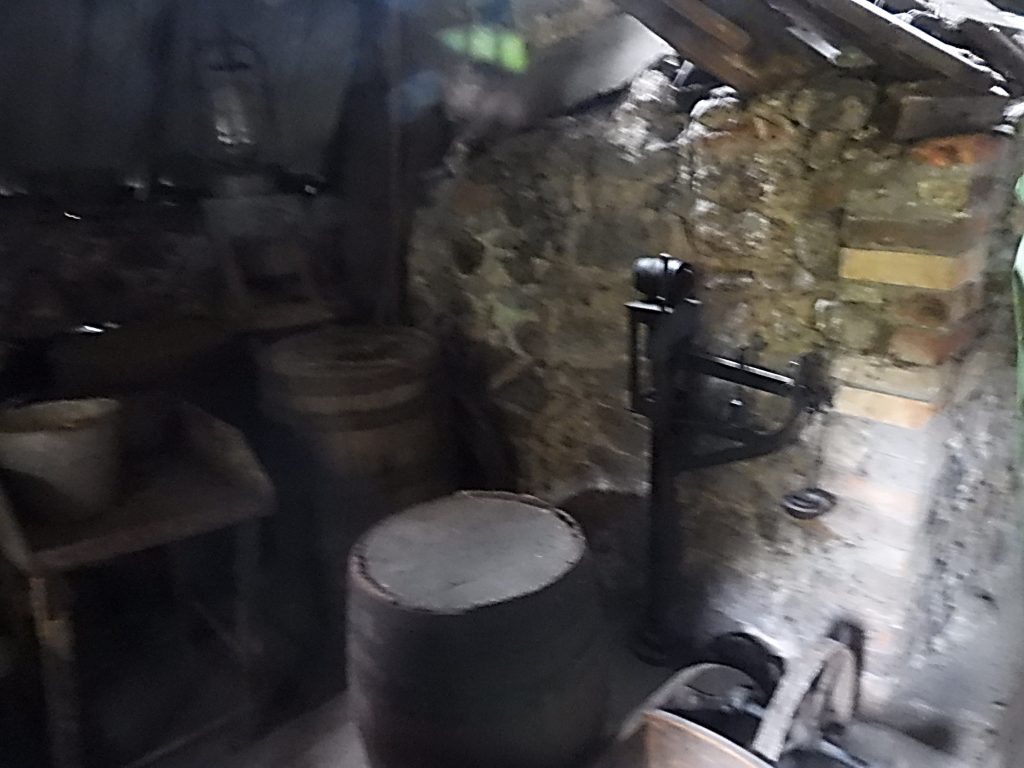
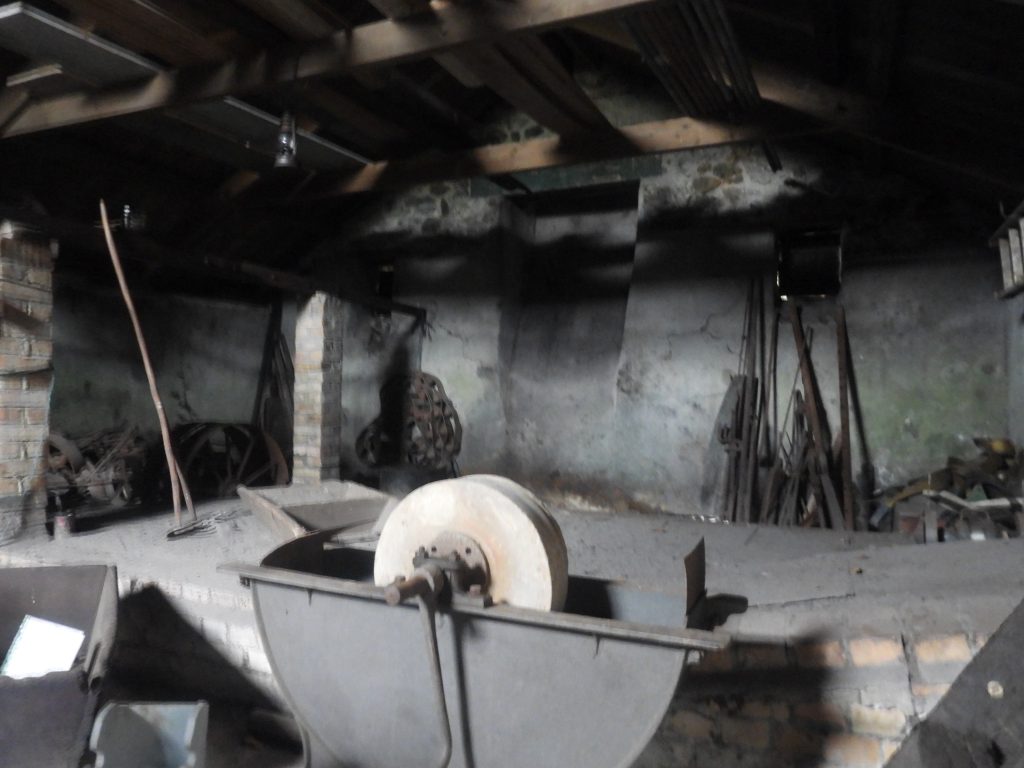
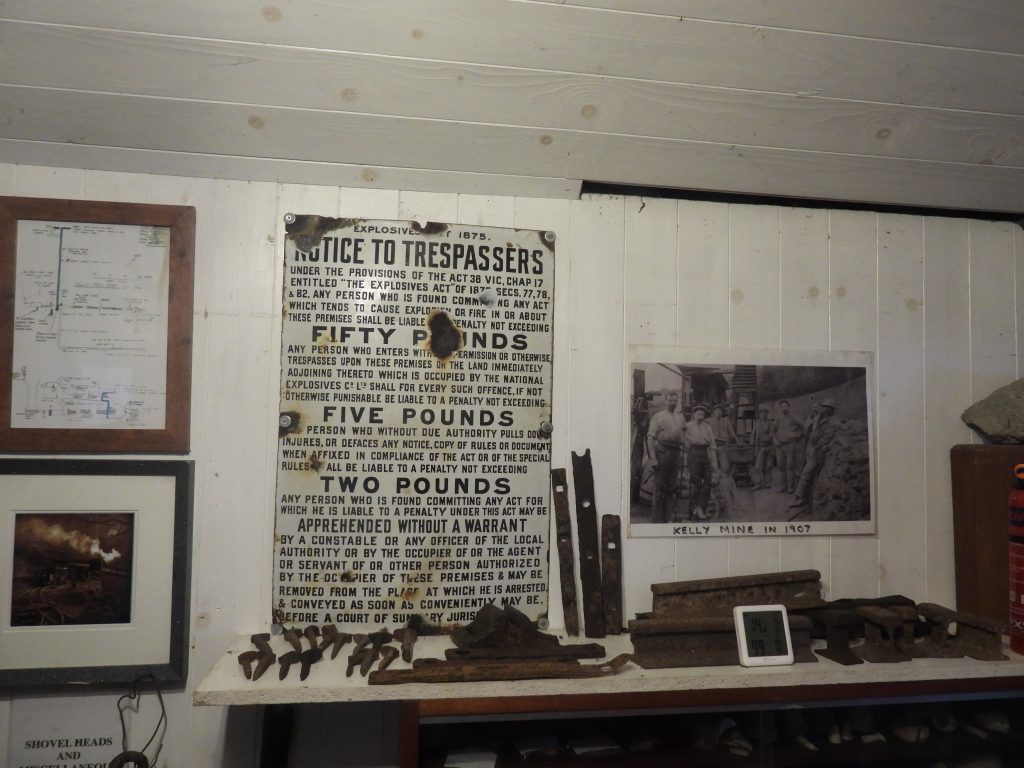
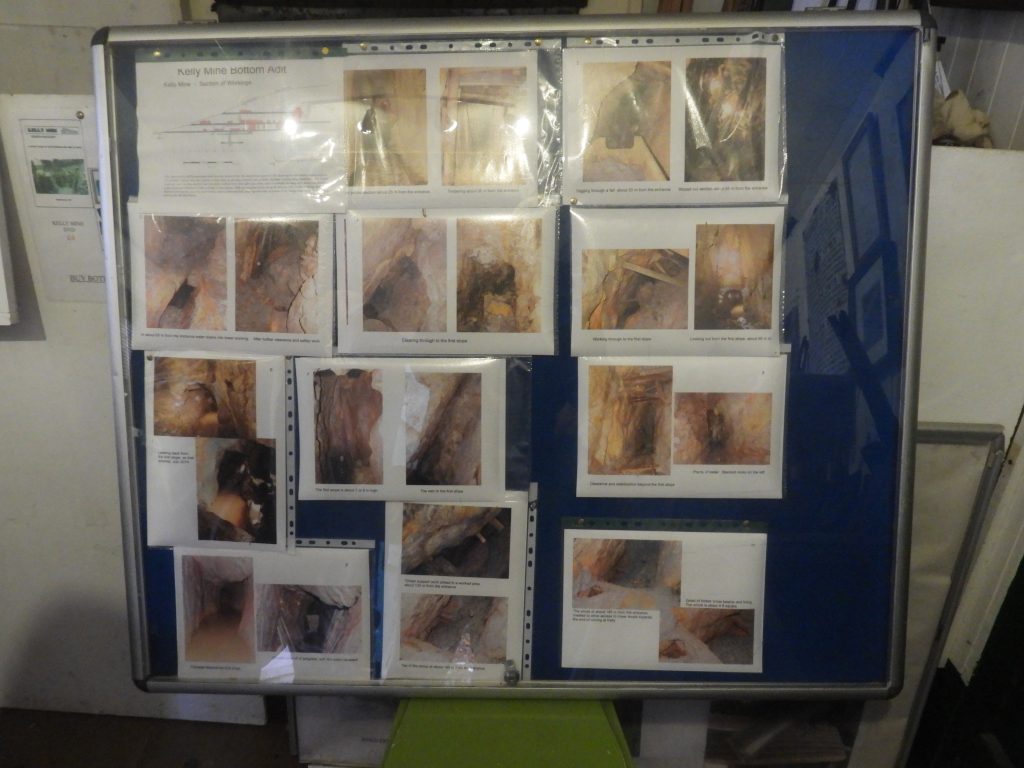
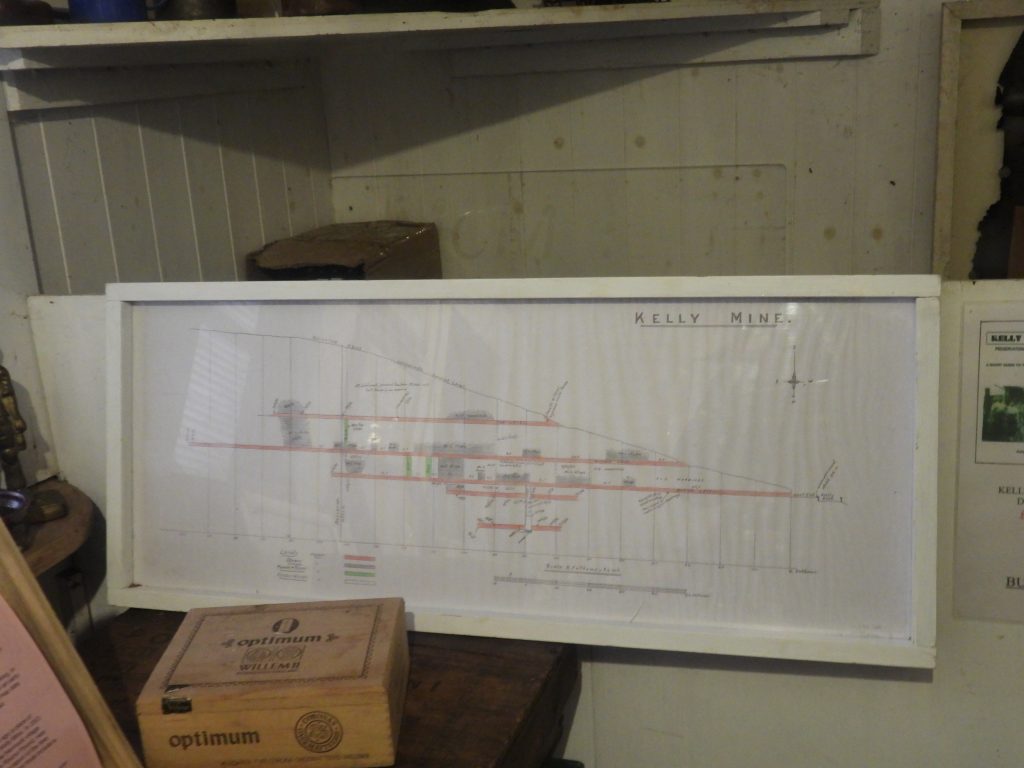
This picture is displayed in the Mine Museum. It is recorded that 10 men produced 122 tons of ore in 1904 and at the time of the above picture (1907) 202 tons had been produced. This picture is the only known one to exist of when the mine was working – it was taken at a shaft; left to right are thought to be Bill Martin, Jabez Hill, Ernest Squires, <unknown>, Alf Martin and John Johns. Jabez Hill was the son of Samuel Hill who was in charge of the day to day running of the mine (known in mining as a ‘Mine Captain’)19th century map of the mine. In the 1880’s (under Kelly Iron Mines Co.) only 2 or 3 men were employed at the mine. In 1901, a year after re-opening (under Scottish Silvoid Co. Ltd.) 13 men were employed with 8 of them being underground. However, the figure had dropped to 8 in 1902 and just 2 in 1903. It was after this time that production appears to have ramped upKelly Mine sign just inside the entrance from the A382, Bovey Tracey to Moretonhampstead roadThe Kelly Mine Surface Plan Sketch is added to this post with kind permission of the Kelly Mine Preservation Society (KMPS) with grateful thanks. The pictures in this post refer back to most of the annotations A-V covering the Dressing Shed, the Miners Dry and the Drying ShedPhotograph of the surface plan taken at Kelly Mine museumThe Kelly Mine surface plan as drawn by P.H.G. Richardson, which was made in 1952. The ‘Newer Adit’ is known to the KMPS as the lower adit.This water wheel is mentioned by Richardson who considered it as being something on an enigma as to its purpose. It is connected to the side of the stone building which houses the drying furnace. He states that: “Some suggest that it might have powered a fan for drying ore…..”. He adds: “…..an ex-blacksmith from Great Rock, thought it had driven some sort of ore separating device embodying an archimedean screw or auger”. The KMPS record that the waterwheel ran an ore elevator and trommel (rotary brush sieve), which may be what Richardson was describingLaunder to the waterwheelThe drying shed / museum and waterwheel near the entrance. The waterwheel is thought to date post 1905, as it did not appear on the OS Map of that year. The drying shed may also have been extended after 1905, perhap to accommodate the waterwheel gearingFrameworks from trucks which ran on mining tramways (not necessarily Kelly Mine)Winding mechanism and two flat-rod wheelsFlat-rod wheel from mine at Skaigh near BelstoneFlat-rod wheel from Hexworthy MineStretcher truck from nearby china clay operations at TeigngraceStretcher truck (truck end) from nearby china clay operations at TeigngraceStretcher truck (stretcher end) from nearby china clay operations at TeigngraceExamples of the ‘shiny ore’Close up of the ‘shiny ore’Bottom of the incline tramway near lower aditSign and truck at the bottom of the incline tramway near lower aditEntrance to lower aditThe entrance to lower aditInside lower adit, which is thought to have been developed in the 20th century (certainly post 1905)Visitors in lower adit at Kelly MineLower aditLooking deep inside lower aditTruck turning point outside lower adit leading to the incline tramwaySketch of the Kelly Mine operations (from the museum). The incline tramway is bottom left. The two adit levels are ‘middle adit’ and ‘upper adit’Near the bottom of the incline tramwayCable runner on the incline tramwayTop of the incline tramwaySide tipping trucks (not believed to have originated from Kelly Mine)
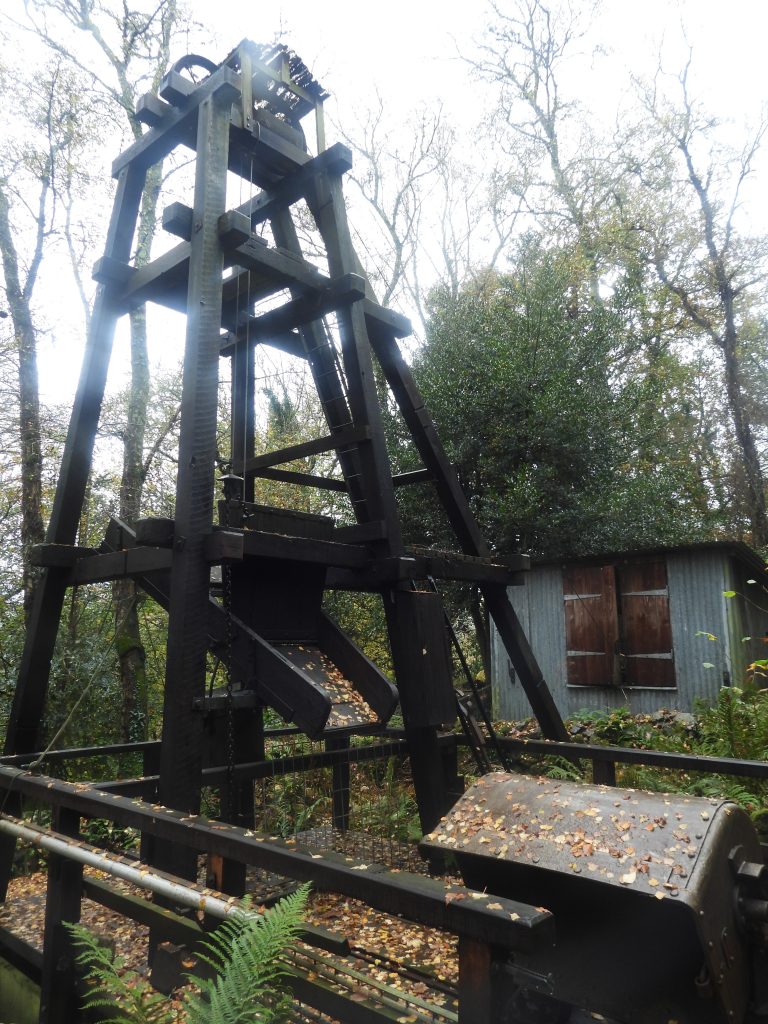
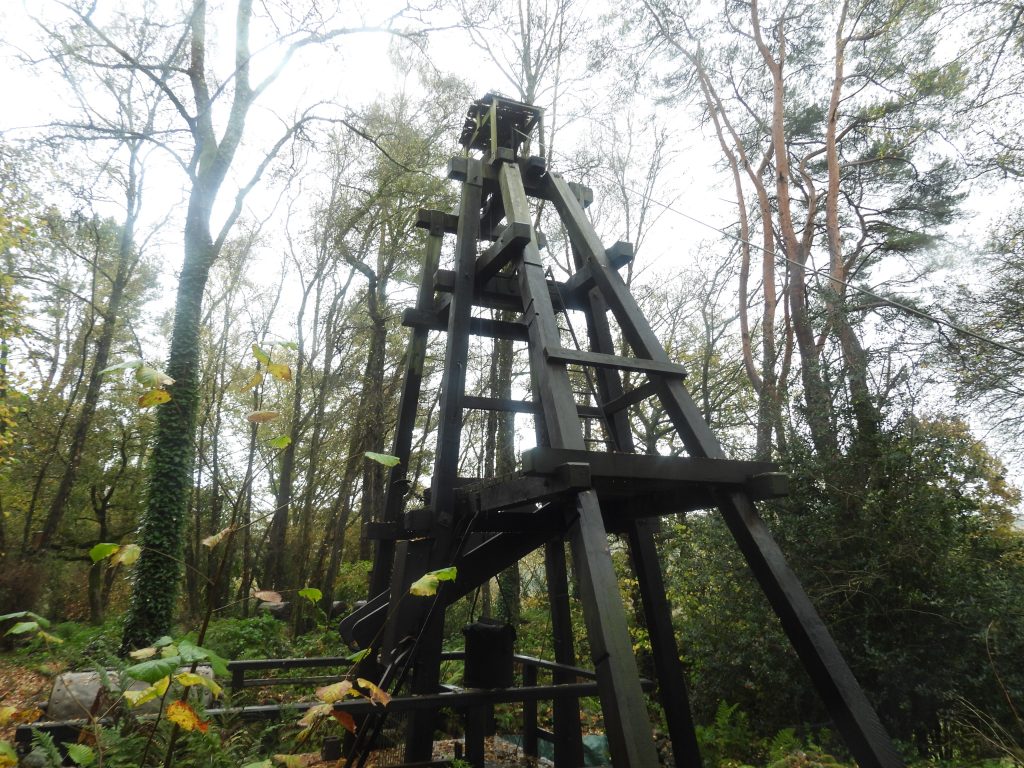
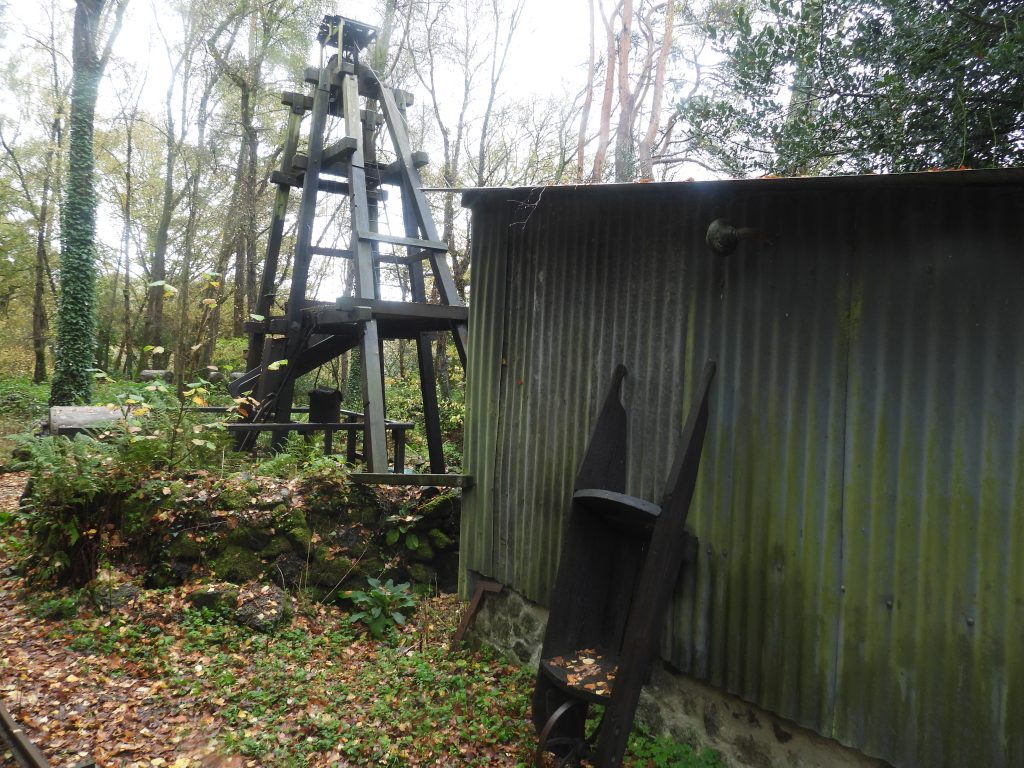
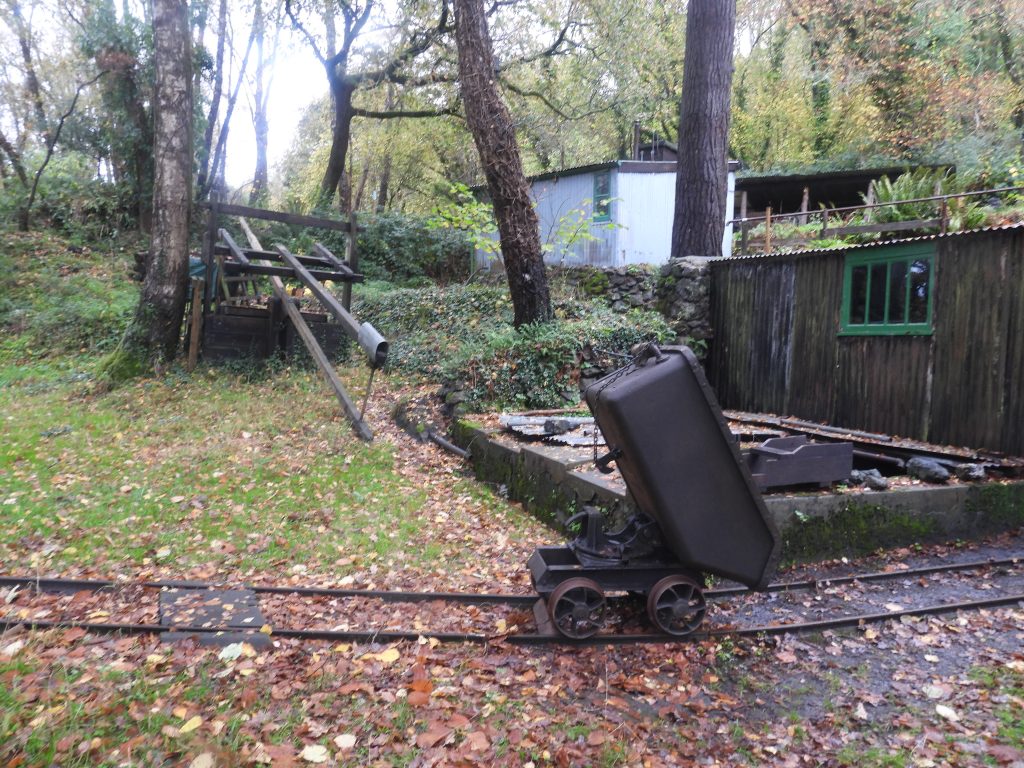
Reconstructed (by KMPS) headgear over mine shaft. This was erected in 2010. The ore shute was installed on the headframe in 2015. The raised flap allows the kibble to be wound out over the shaft and be tipped; with the flap down, directly into the tram
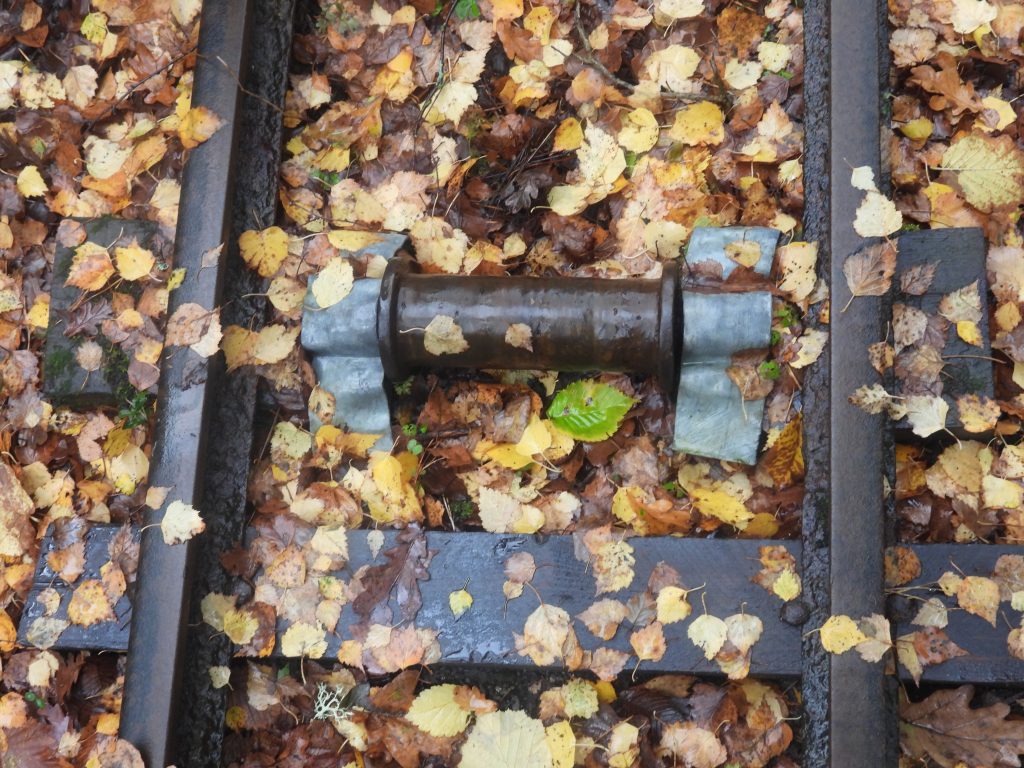
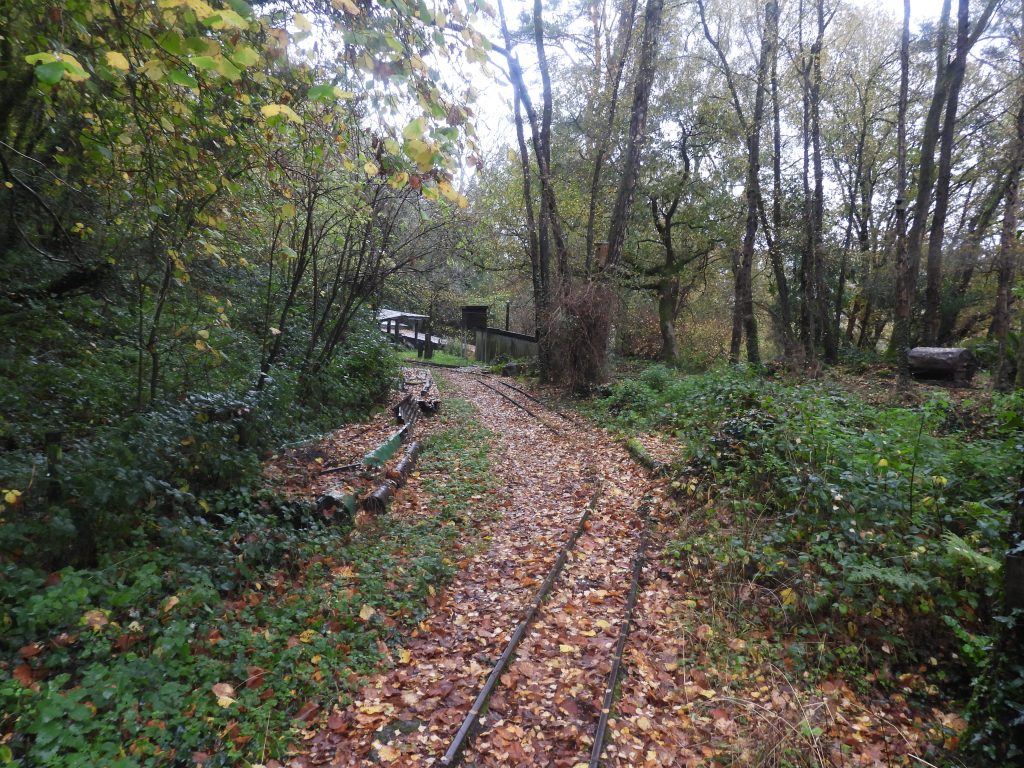
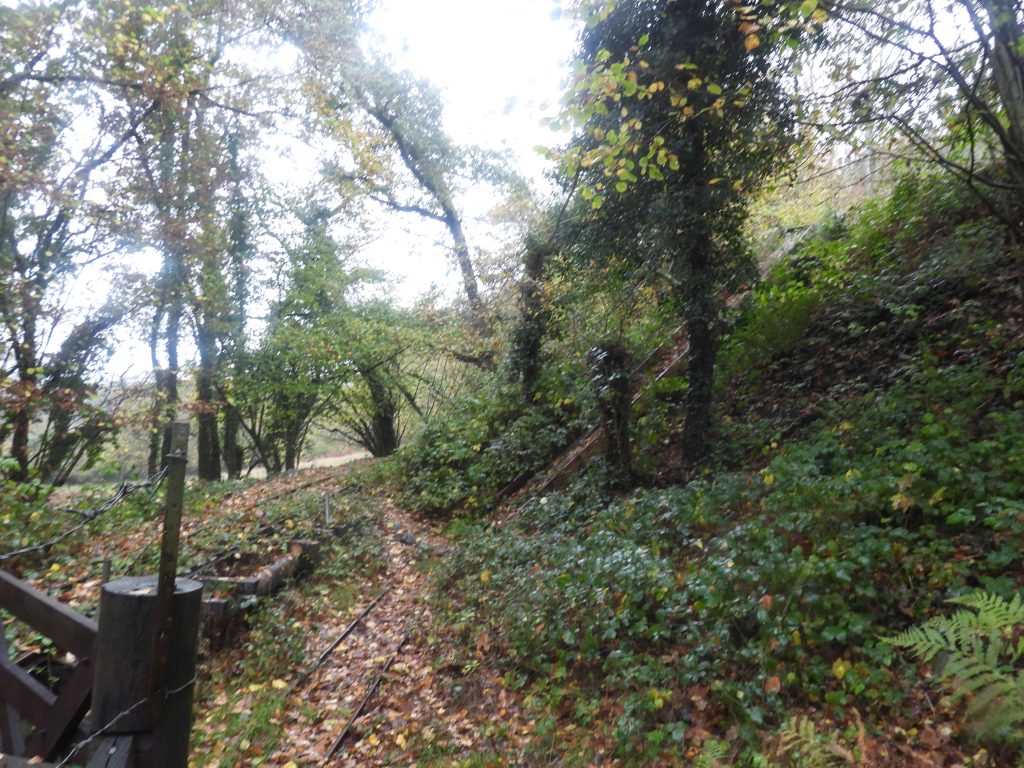
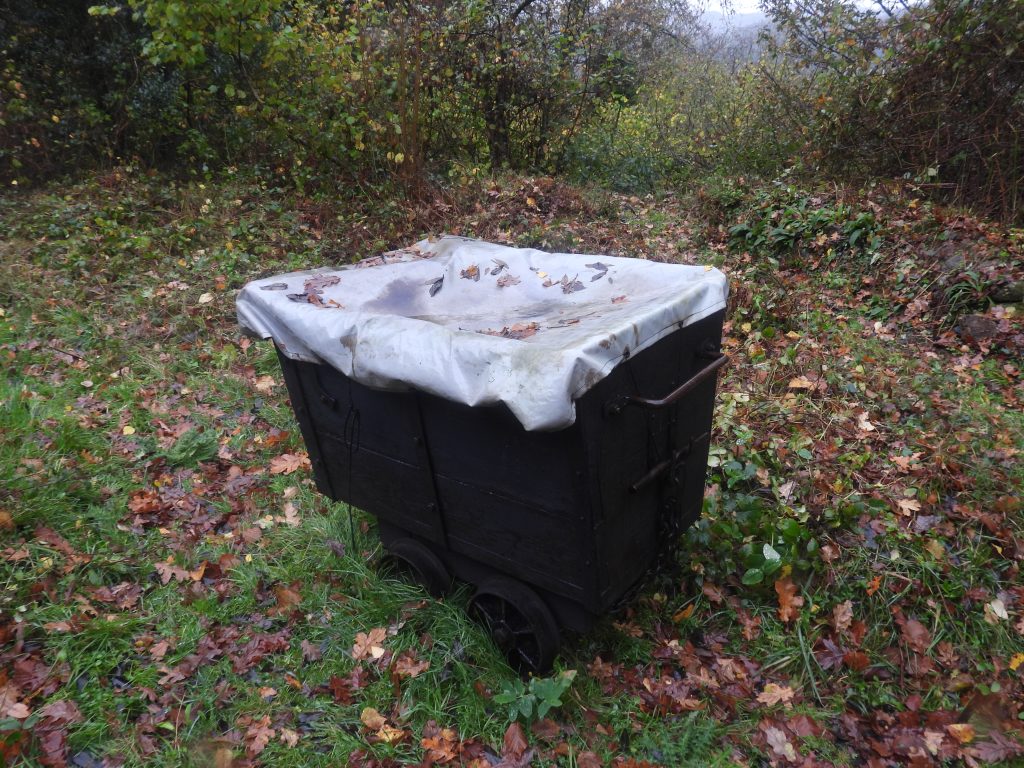
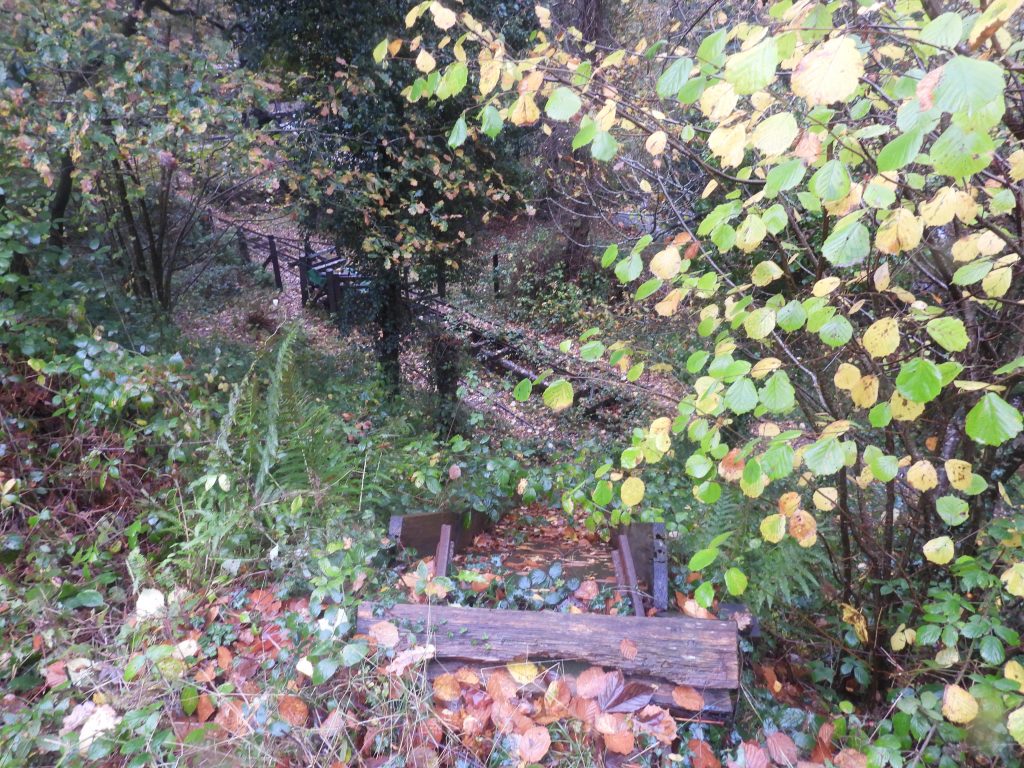
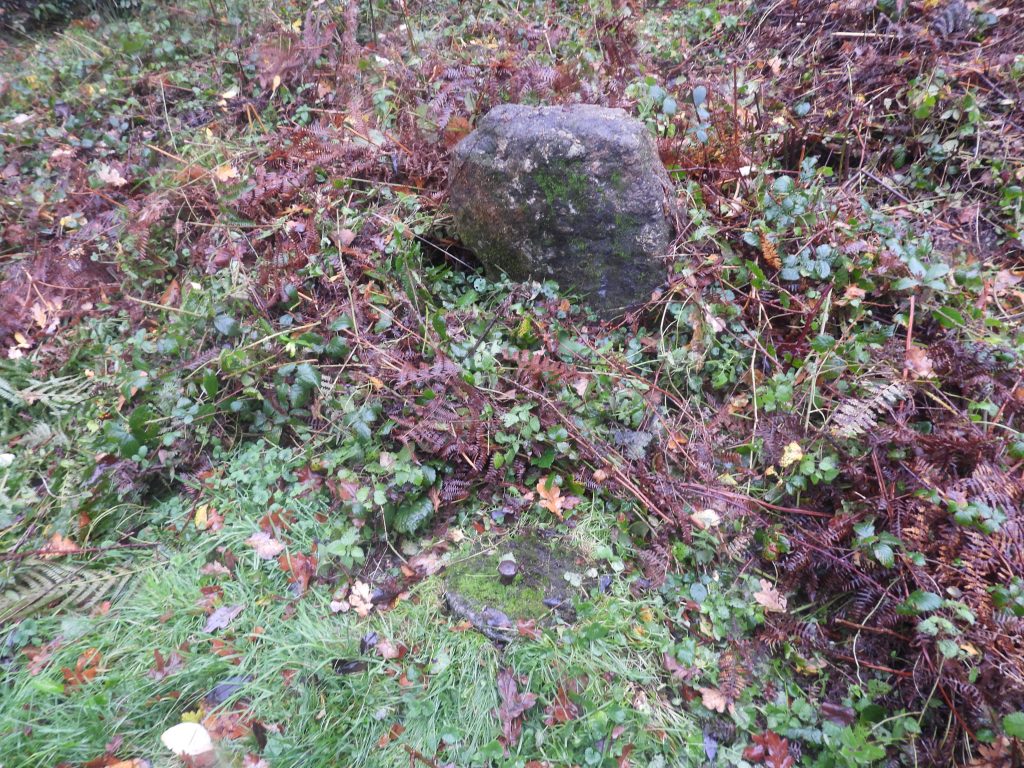
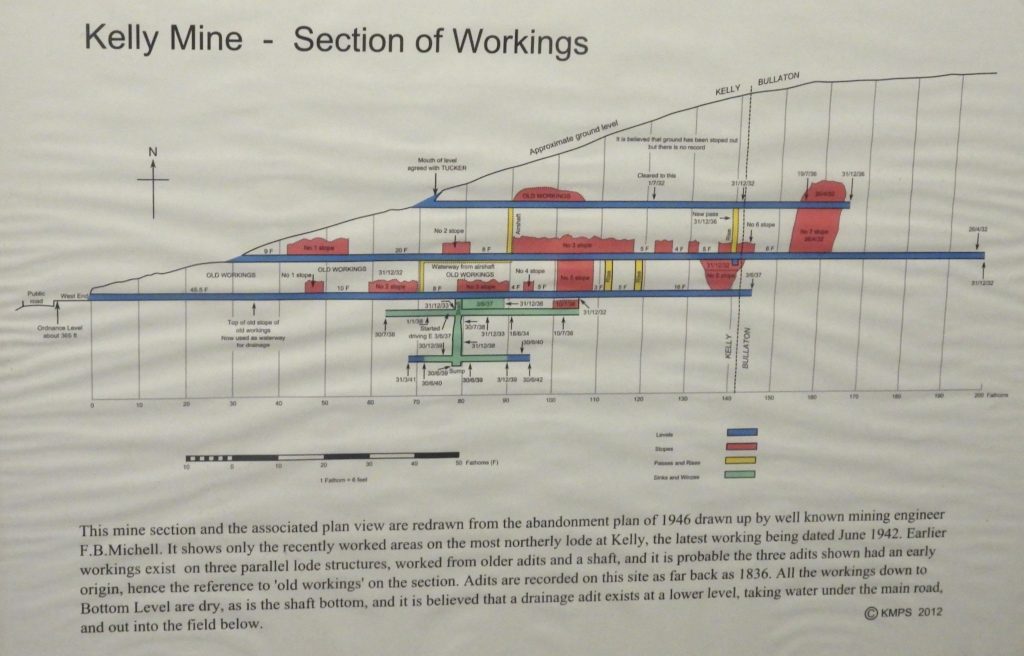
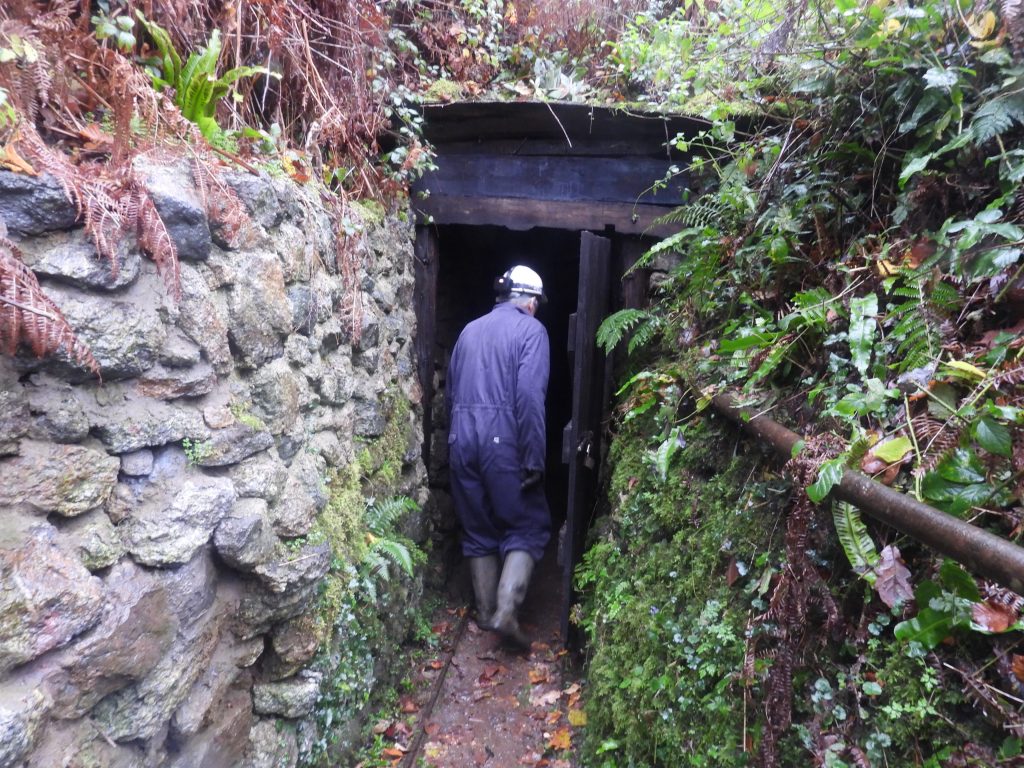
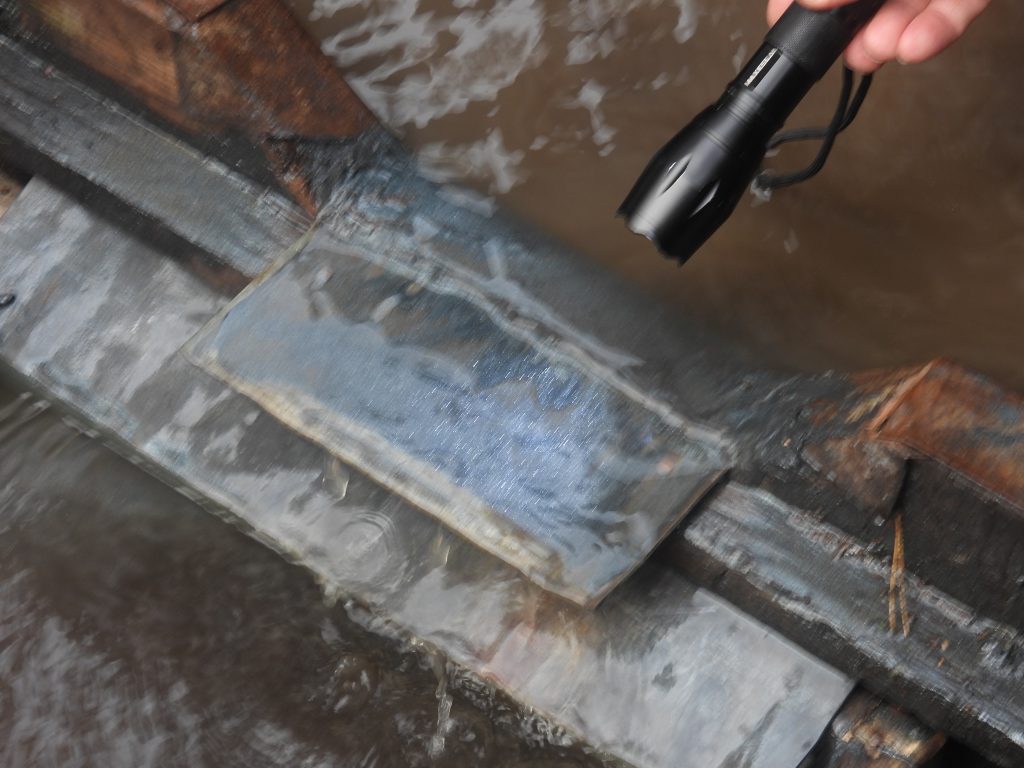
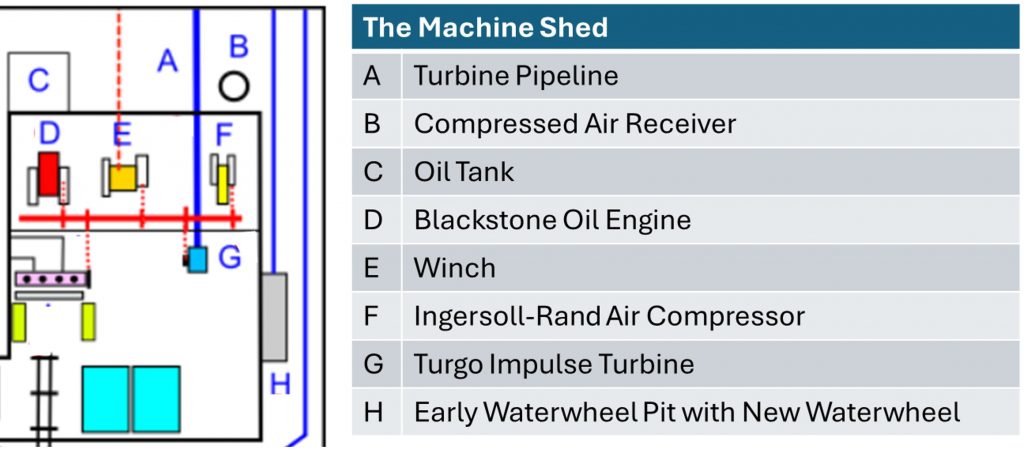
Tramway near headgear / shaftHeadgear over the shaft. There was a shaft accident here in June 1910, when a young miner, George Druett (28) was killed. He was at the bottom of the (78 ft) shaft when a kibble fell on him when a wire rope broke. In spite of questionable safety practices (including men travelling up and down the shaft in the kibble), the jury at the enquiry returned a verdict of accidental death – The author was told that George Druett’s family received 3 years wages as compensation. Kelly Mine production figures and employment during most of the Scottish Silvoid period of operation. These figures are from the excellent book about Kelly Mine referenced in the bibliographyReconstructed ore shute (behind the two trees just to the middle / right of the photograph). It connected a small tramway from ‘middle adit’ area to the tramway by the headgear seen here.End tipping truck between the middle adit and the ore shuteTop of the ore shute looking down on the tramway by the shaft headgearEntrance to Middle AditRivet (lower middle part of the photograph) believed to have been used as a survey marker point for the surveying of the mine. The second series OS map was published in 1905 and as the mine had re-opened in 1900 it is possible this map would have shown the first development under the Scottish Silvoid Co. Ltd. One wonders whether this rivet would have been used for the OS survey or more likely when the mine was surveyed in the abandonment plan in 1946, two years after it had closed in 1944.Section of the mine as displayed in the museum, which was redrawn from the 1946 abandonment planEntering middle aditInside middle aditInside middle aditInside middle adit, which is thought to have been developed in the 20th century (certainly post 1905)Winding house, wheel barrow and headgearSide-tipping ore truckSide tripping ore trackWinding cable wheelKey features of the miners dryOre washing being demonstrated by Nick WalterOre washing – the process started with the ore being washed through a screen. Larger pieces of rock would be left on the screen, with micaceous haematite, sand and gravel being passed throughOre washing process being demonstrated by Pete Ward. The micaceous haematite being light was separated from the heavier sand and gravel using water. The particle size and shape of the micaceous haematite has tiny face platelets, which causes it to remain in suspension.Ore washing – the micaceous haematite (MIO) ‘shiny ore’ living up to its name as can be seen on the end of the shovel. The MIO was dried in a coal fired flat-bed drier‘Shiny ore’ emphasised by the torch lightFeatures of the machine shed. The air compressor and turbine are thought to have been installed around 1920 when Ferrubron took over.Picture from P.H.G. Richardson of the Mill Building taken in 1952, with the hand operate ‘Jigger’ in the foreground
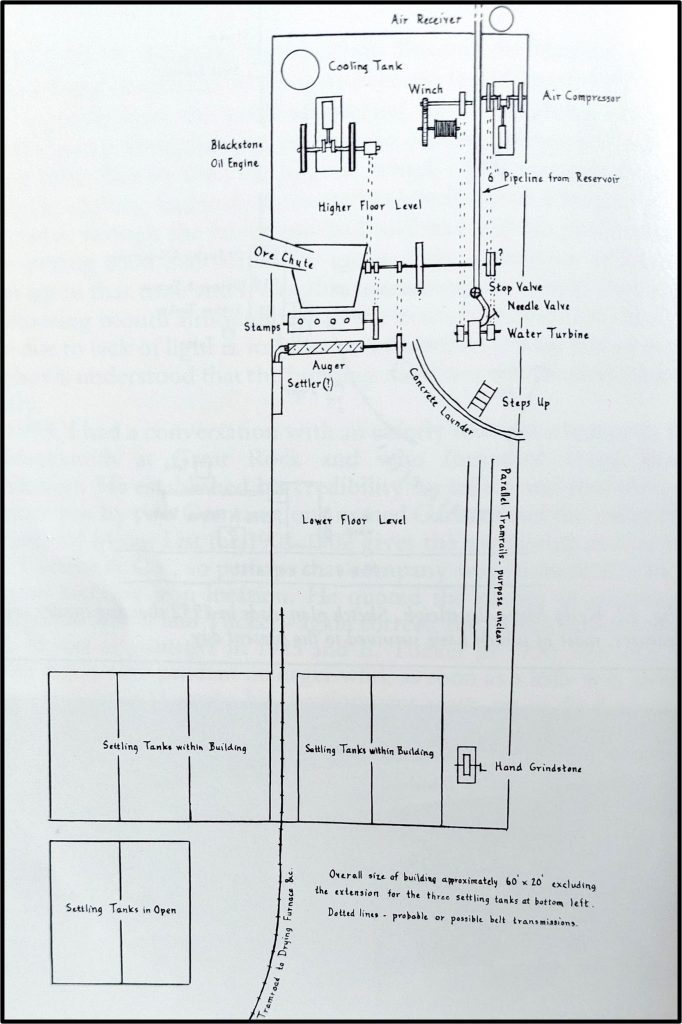
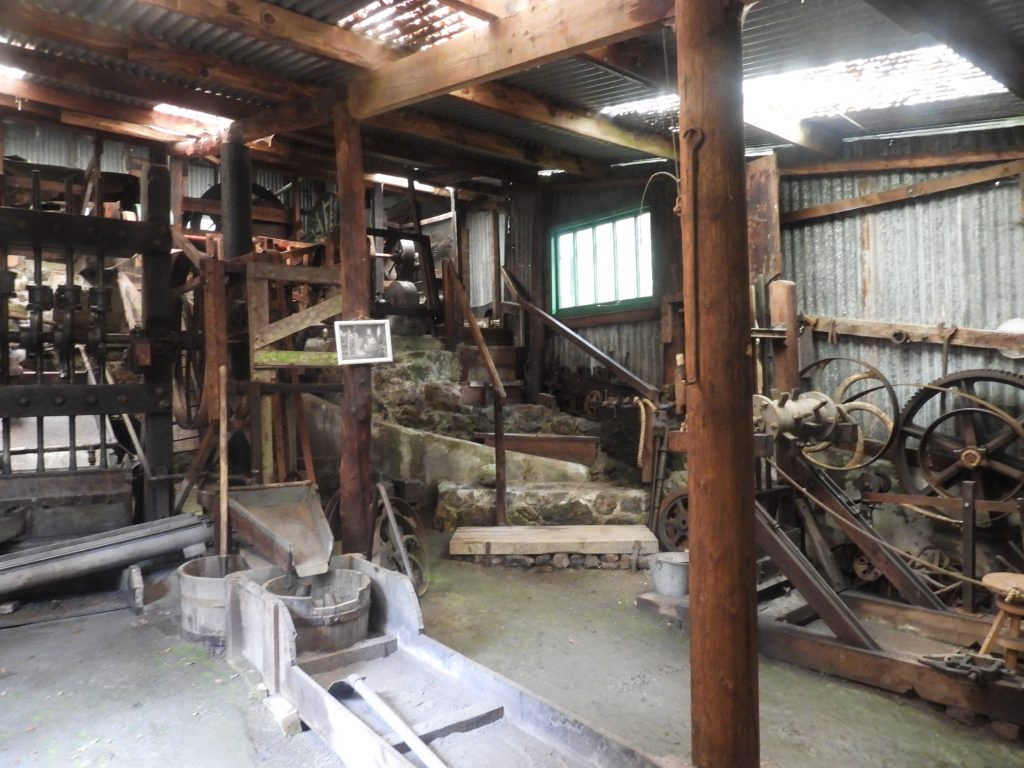
This sketch of the interior of the Machine Shed was done by P.H.G. Richardson in 1966. The shed was shown to be a lot smaller on the 1905 OS map than is seen today and it is likely the top section containing the winch, engine and compressor did not exist then and were a later addition
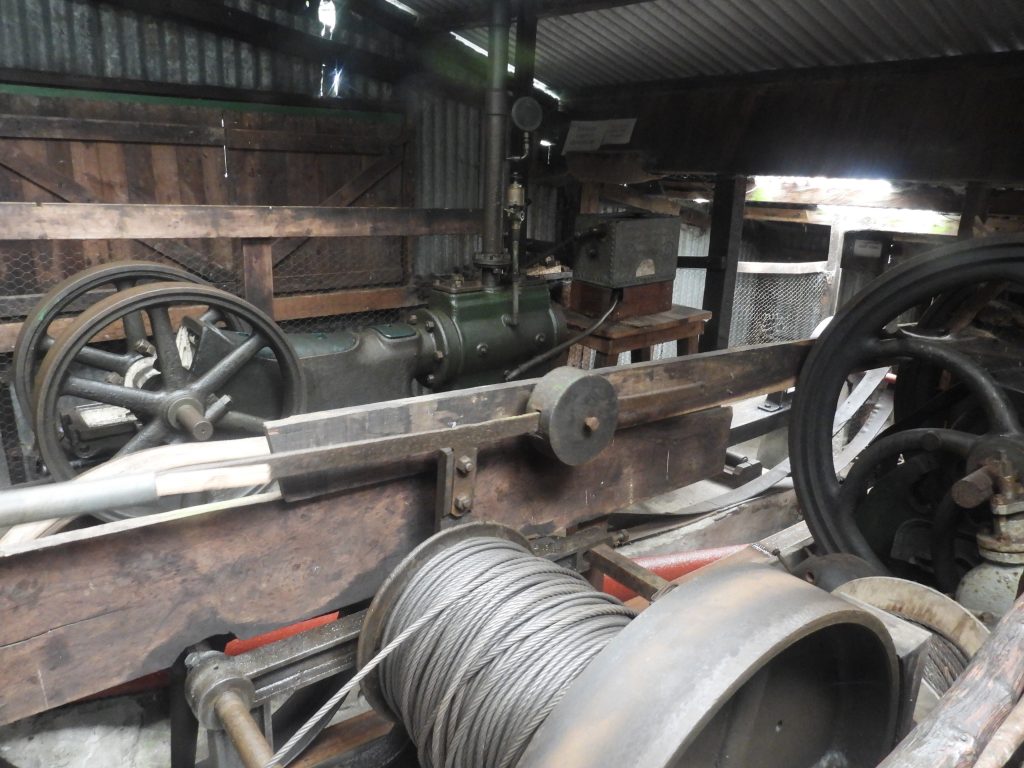
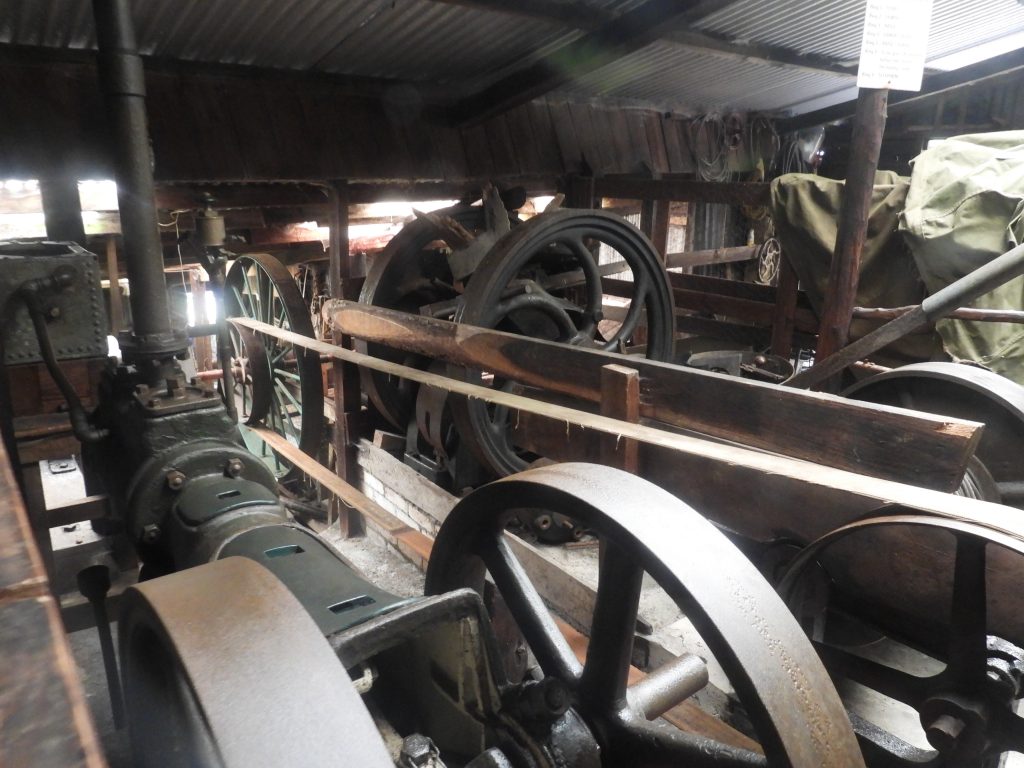
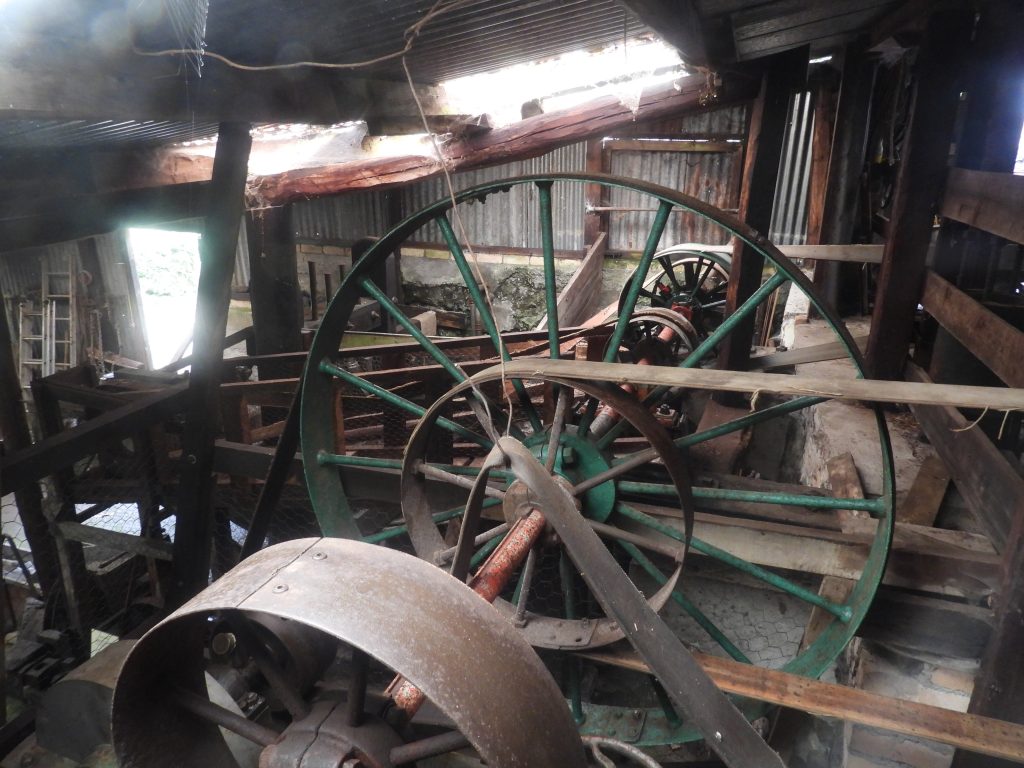
Winch (foreground) and Ingersoll-Rand Air Compressor (background). Peter Roberts of KMPS told P.H.G. Richardson that through investigations it was confirmed that the winch was once used to haul wagons up the incline tramway. A cable led around pulleys to the top of the inclineIngersoll – Rand Air CompressorWheels and belts between upper level and lower level of the machine shed
Lower level where the stamps were positioned
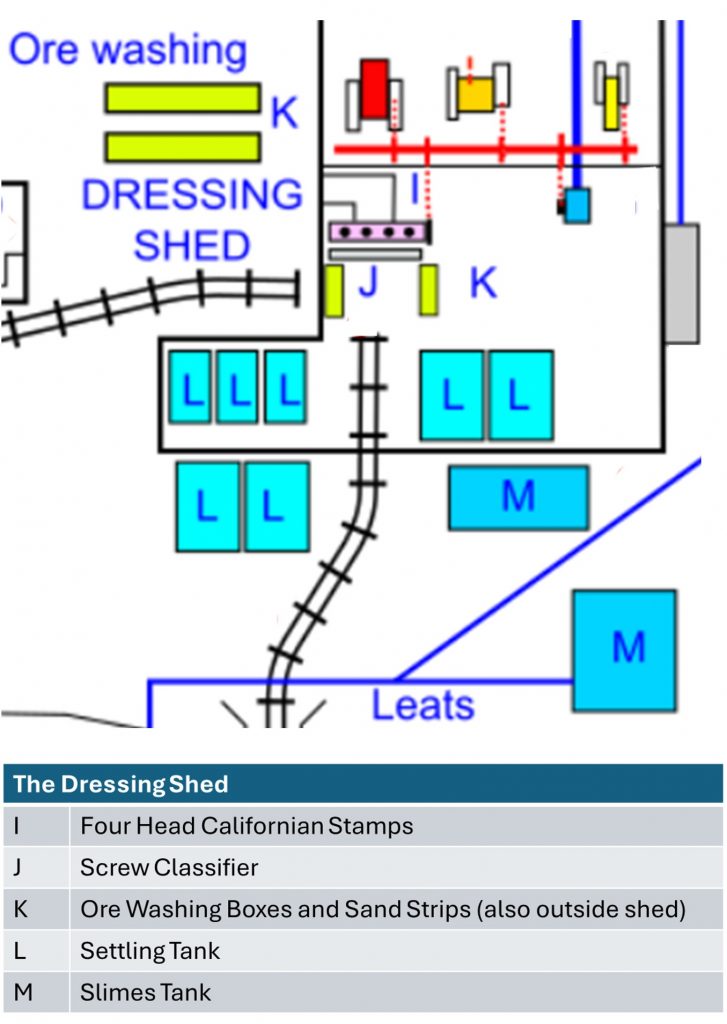
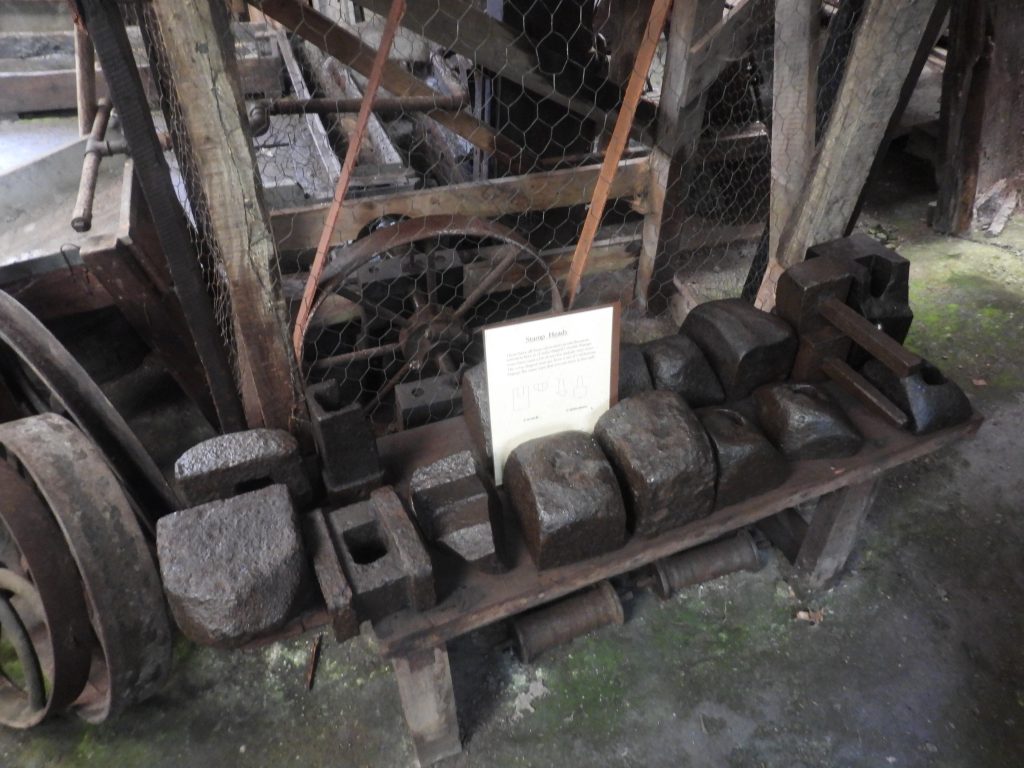
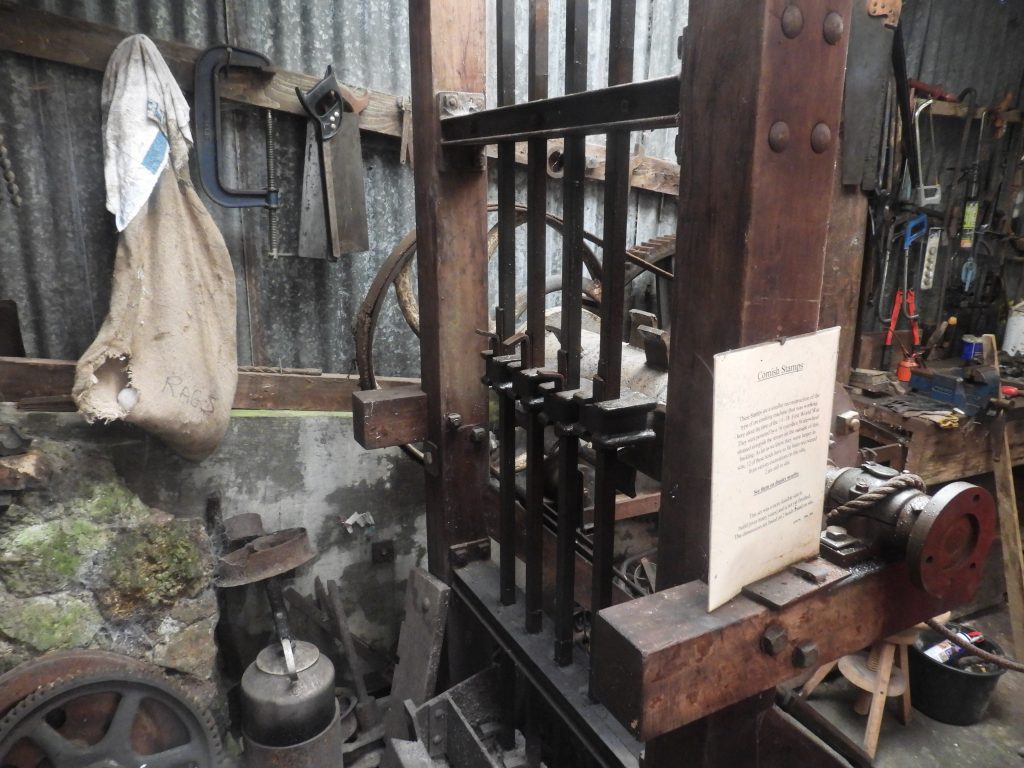
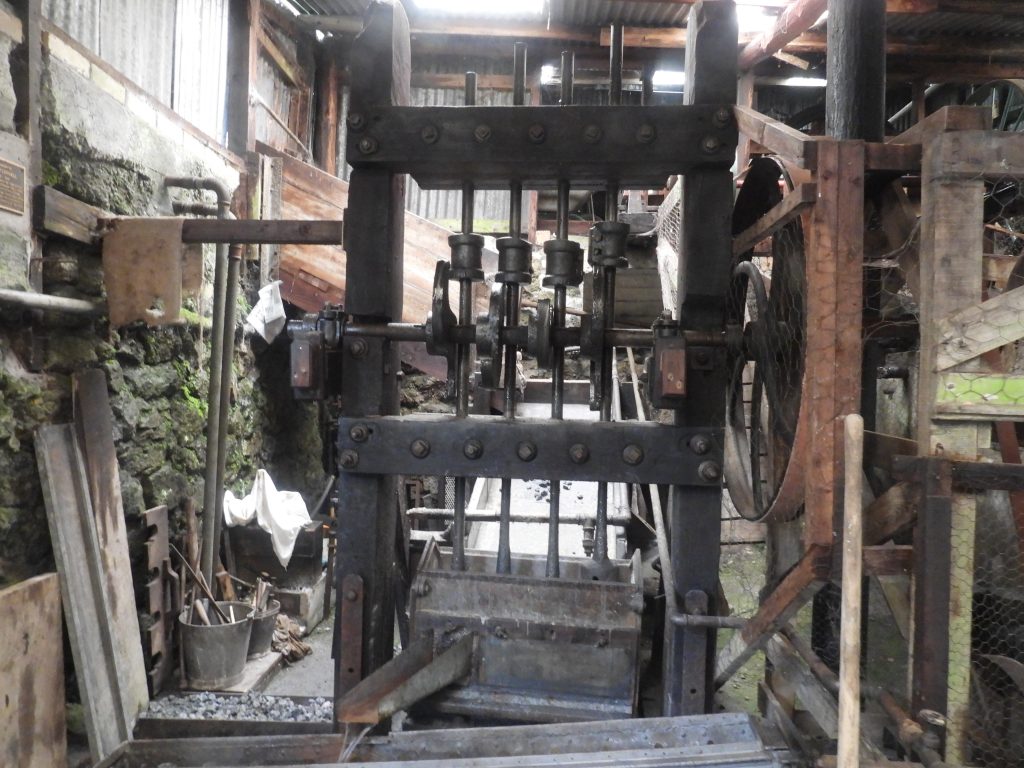
Stamp headsModel of Cornish Stamps (one third size)The four head of Californian Stamps – installed circa 1920
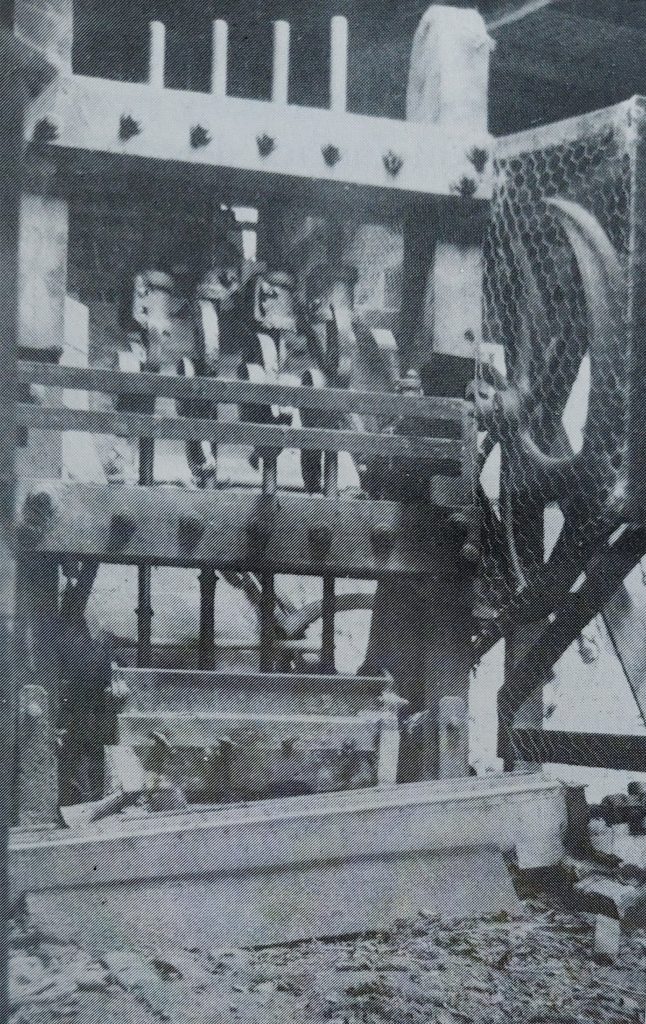
Picture of the Californian Stamps taken by P.H.G. Richardson taken in 1966
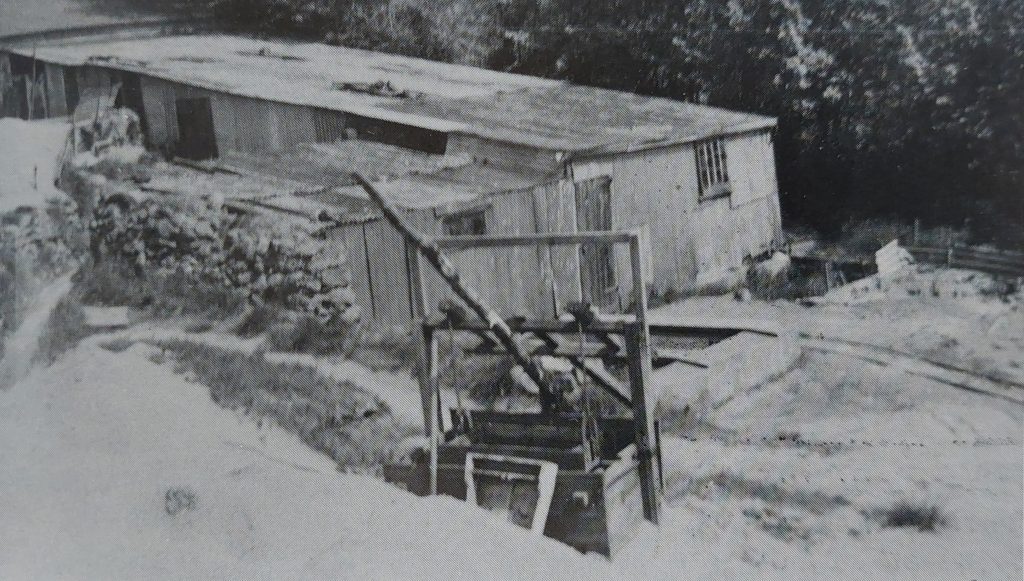
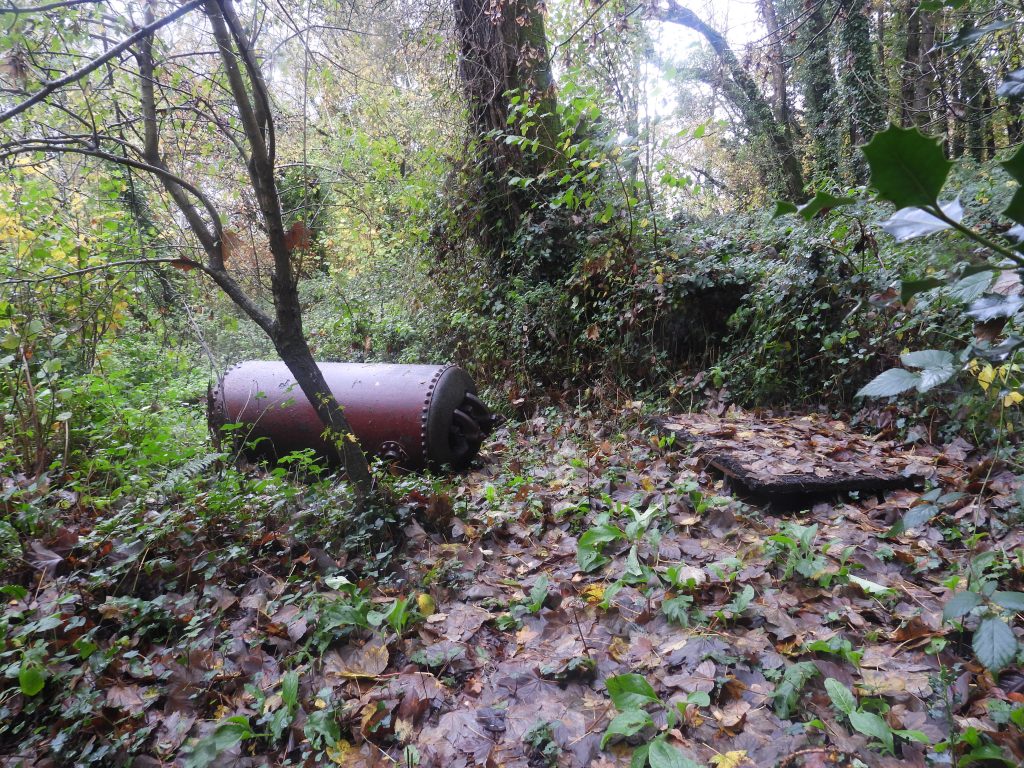
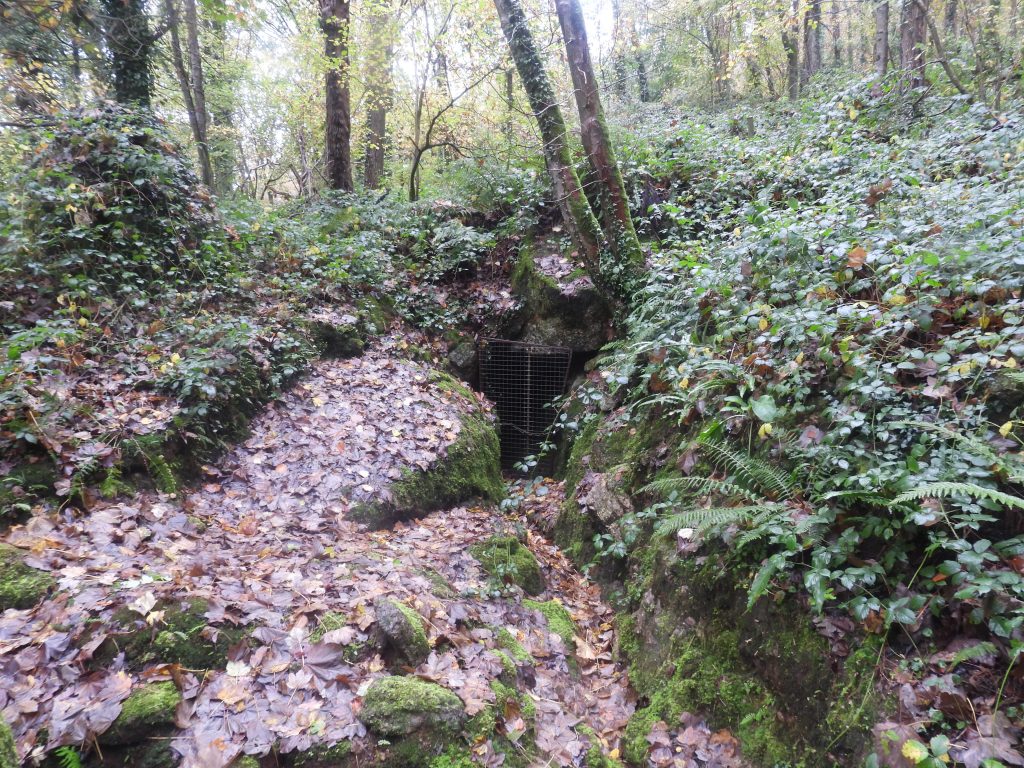
Californian Stamps – note how the stamps rotate on each stroke, which leads to uniform wear at the hammersGeneral view inside the machine shed from the lower floor levelSlimes tankFront Tipping Truck and Jigging BoxJigging BoxNew Waterwheel on Machine Shed – Kelly Mine sign above the waterwheel. The original mill waterwheel here was known to have been in position in 1905 (ref: OS Map)New Waterwheel on Machine Shed. The 16ft (4.9m) overshot wheel was obtained by the KMPS which had been manufactured by Willmit of Wellington, Somerset. It was assumed the wheel here was the primary source of power prior to the installation of the vortex turbine, which in turn was replaced by the current turgo wheel when the mill was rebuilt in the early 20th century.Probable old boilerOld adit between Middle and Upper adits. This is depicted in the P.H.G. Richardson book (Fig 12, page 75)Old adit entranceSmall reservoirUpper adit entranceChimney by drying shedDrying shedInside the drying shedInside the drying shedInside the drying shedScales inside the drying shed. The product was despatched from here and were always taken to Lustleigh Railway Station for onward transportationInside the drying shedSide of the old building which was built around by the drying shedMuseum piecesMuseum photographsKelly Mine plan from the museum