A collection of walks, discoveries, insights and pictures of exploring Dartmoor National Park
February 15, 2026
Nun’s Cross Farm
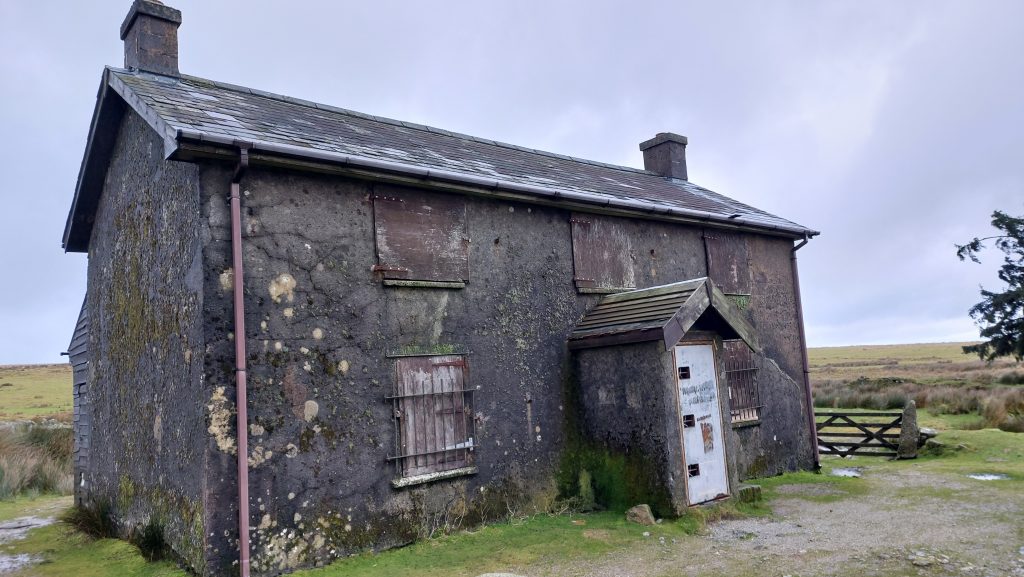
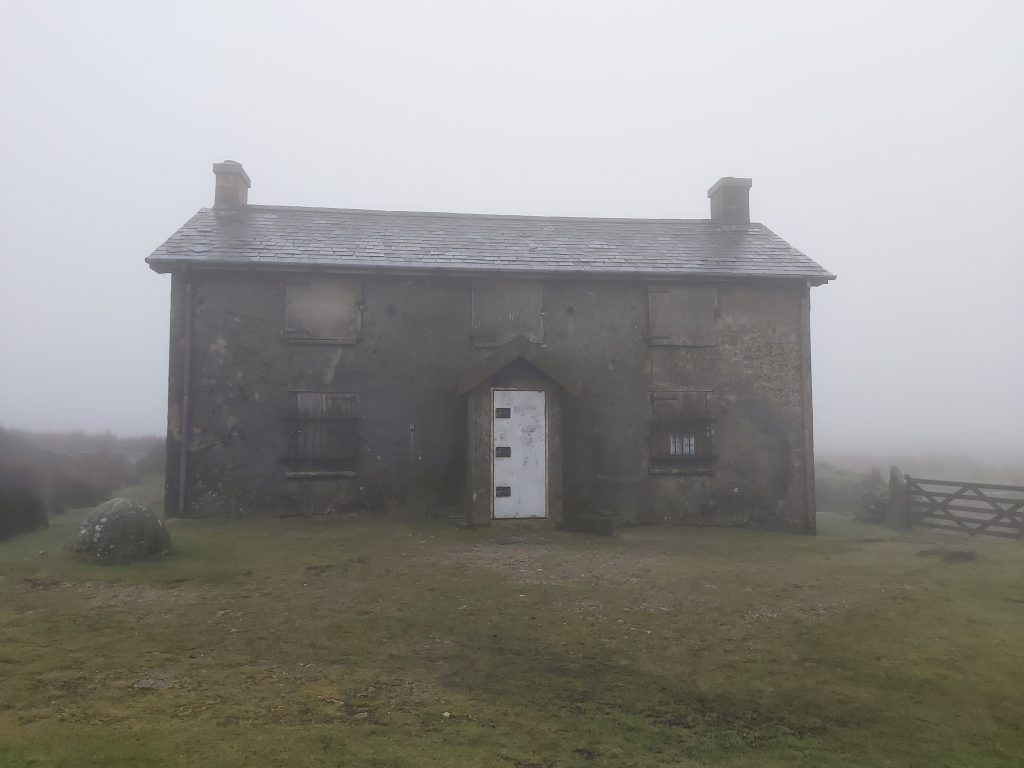
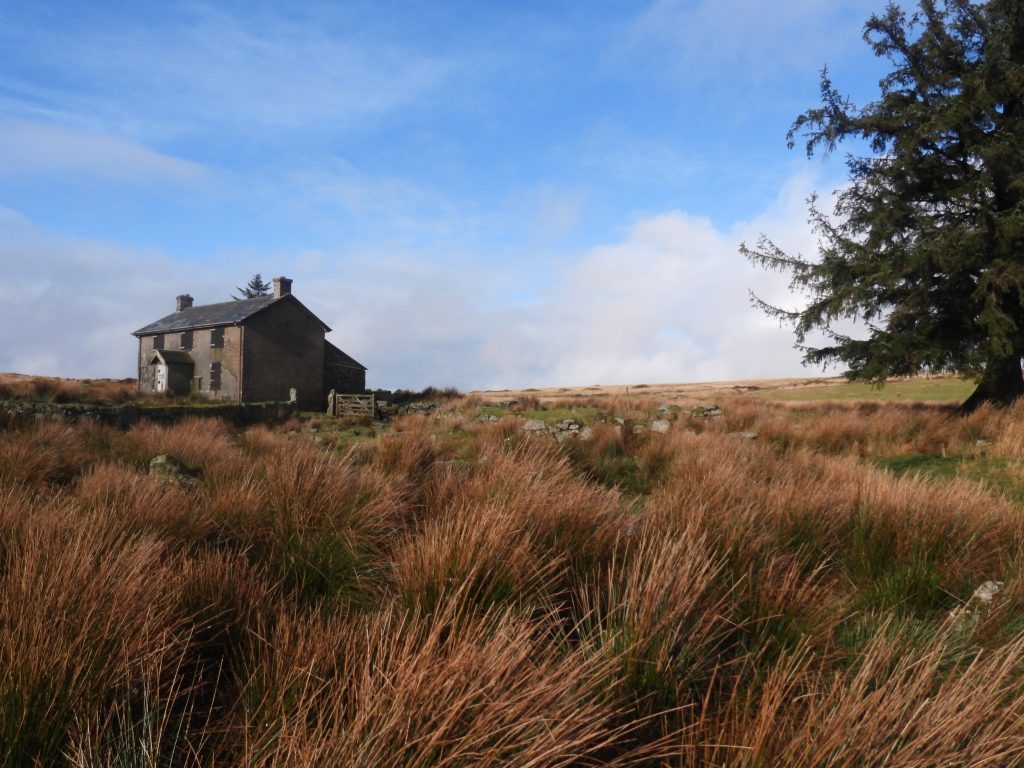
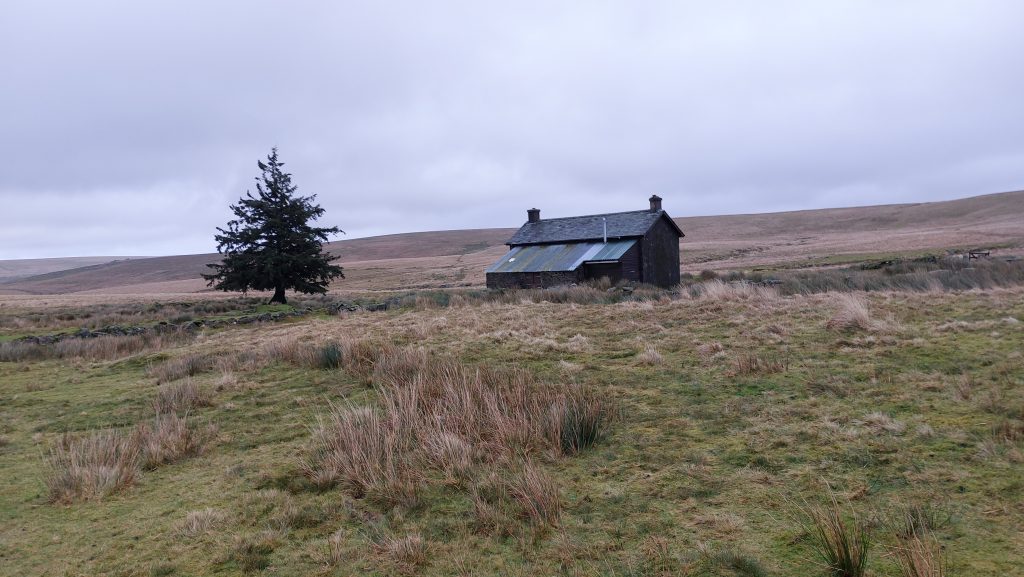
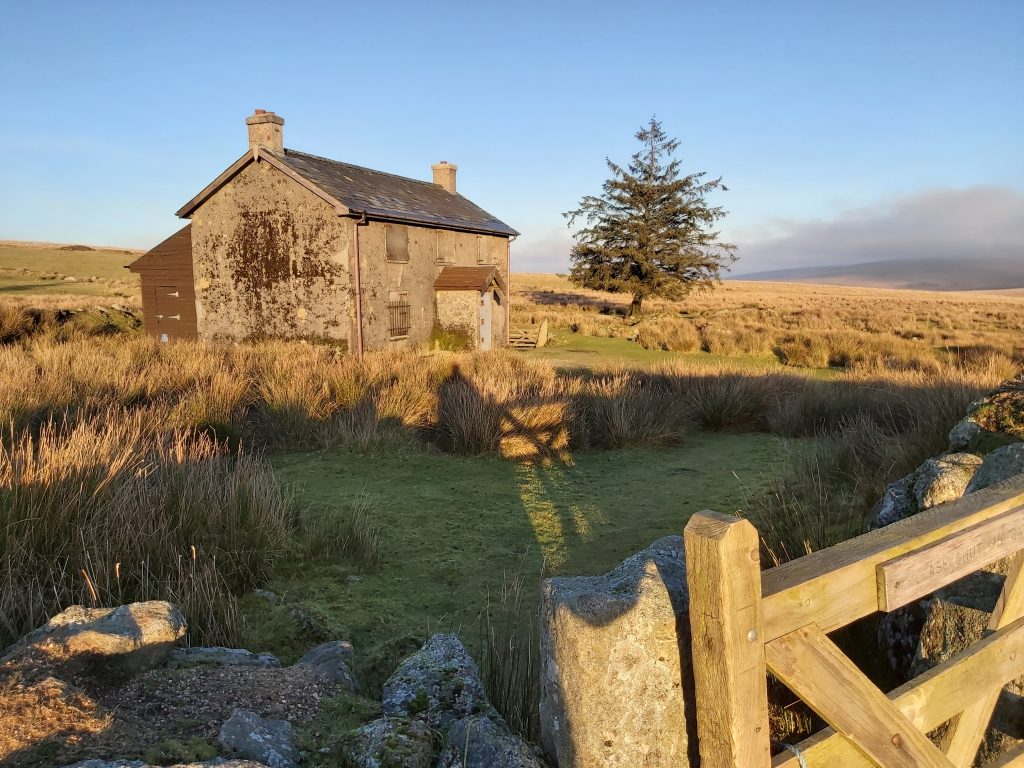
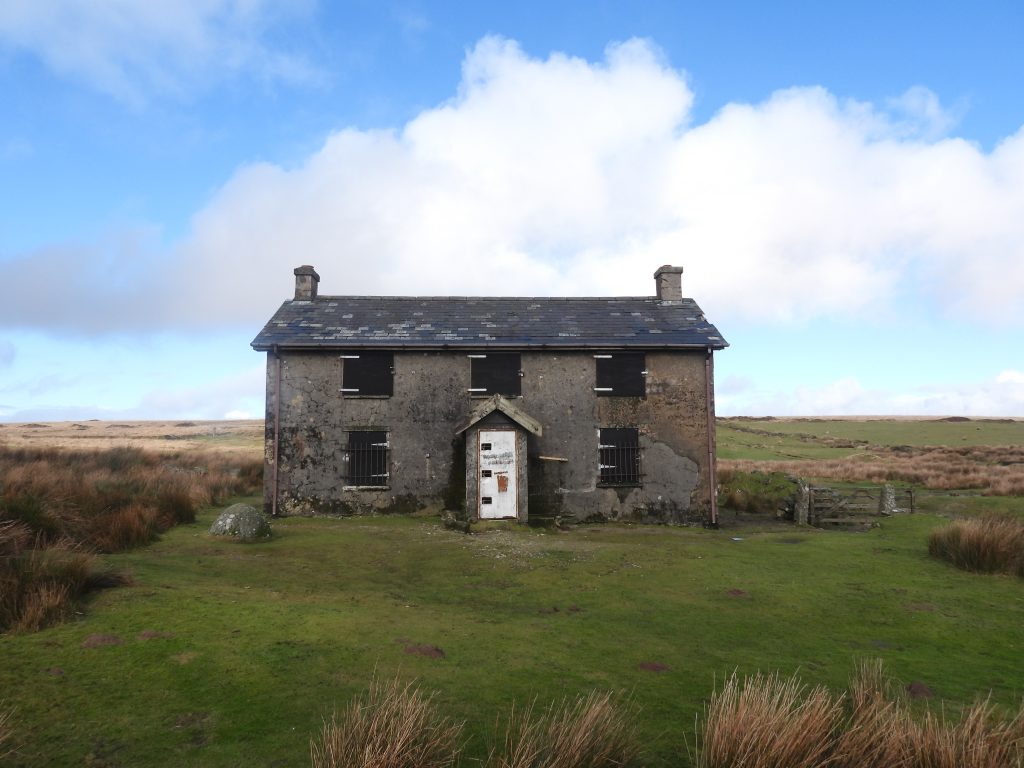
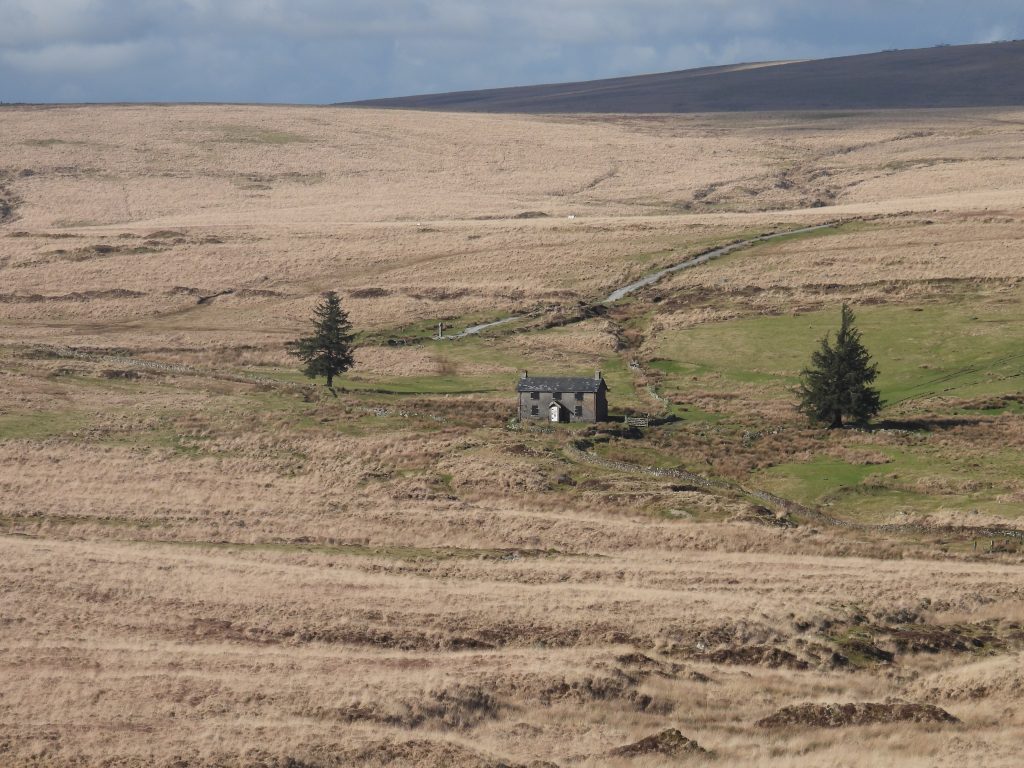
In spite of being relatively remote, one of Dartmoor’s most recognisable old farms is probably Nun’s Cross Farm, which is located just a few hundred metres from the 13th Century Siward’s Cross and just a few miles south of Princetown at around grid reference SX605 698. Perhaps those visiting the area and passing the ancient cross and farm, may not realise that the building seen today is only 125 years old having been constructed in 1901 and is the second farmhouse to have been built here.
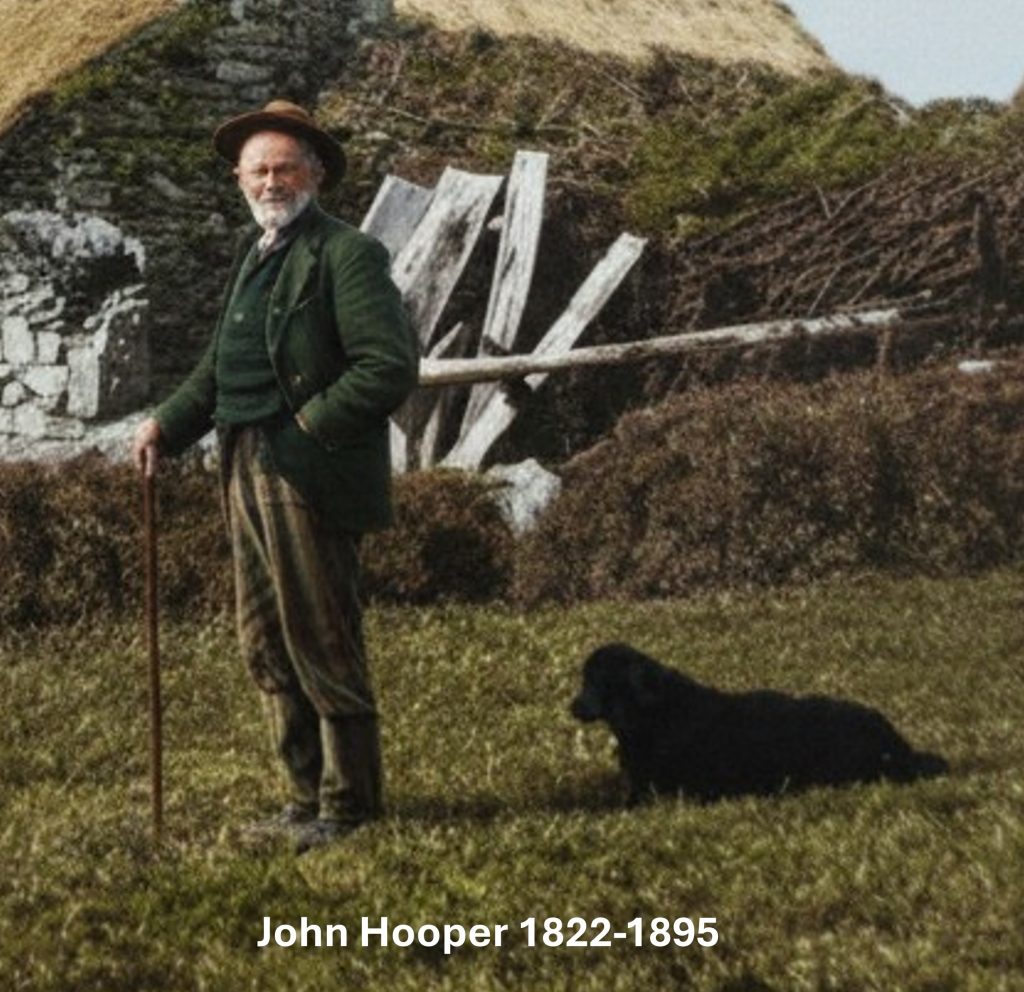
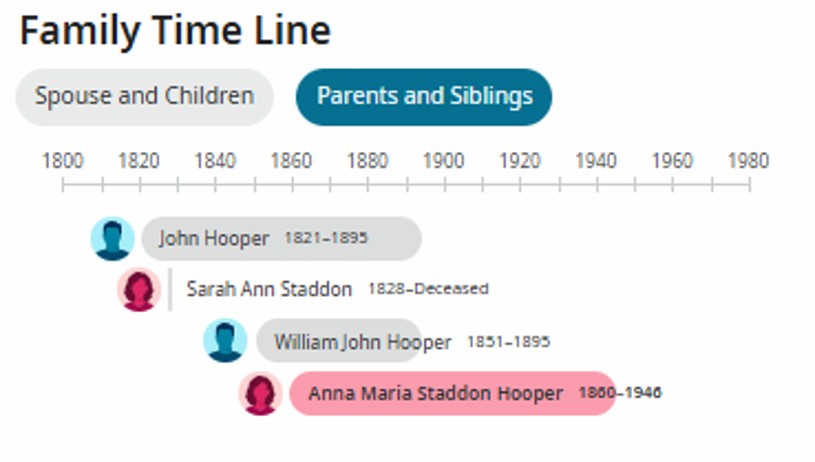
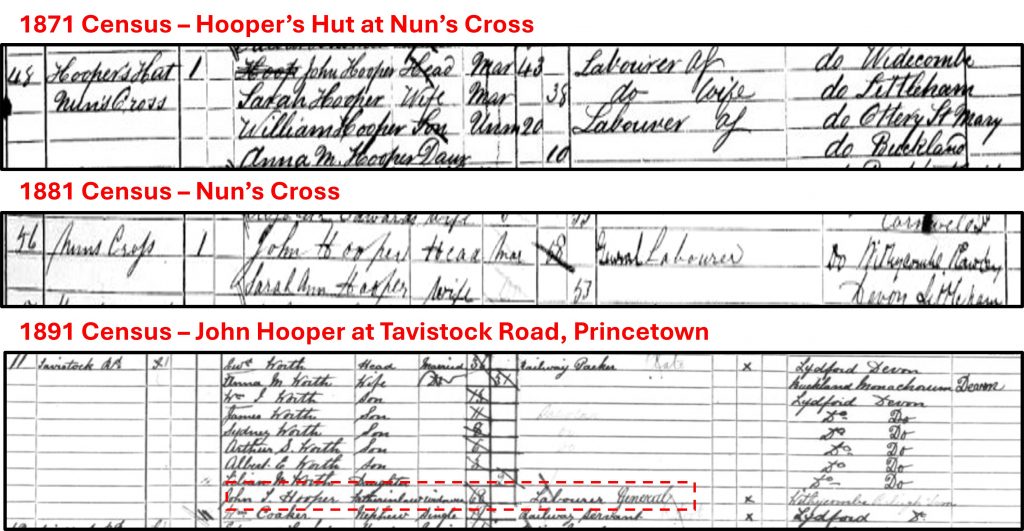
Indeed, it is possible that there may never have been a farm at this location had it not been for the pioneering spirit of a John Hooper and his family from around 1870. Hooper was one of the last man to enclose a parcel of land on Dartmoor, in the era (late 18th and 19th centuries) which has been referred to a ‘The Improver Period’. Hooper obtained a lease for 31 years on 25th March 1870 from the Duchy. Hooper was charged with erecting “a good cottage with stone walls and a slate roof”. The cottage was to be erected within two years of the lease and a road had to be constructed through the land “not less than 20ft width”. The initial rent was set at £2 10s per annum (just under £400 equivalent for 2026). It is known that the first cottage (farmhouse) was still being constructed at the time of the 1871 census (taken on the night of Sunday 2nd April 1871) as the Hooper address was given as “Hooper’s Hut, Nuns Cross” which was a temporary (make-shift) shelter. The Hooper family comprised John, Sarah and two children William and Anna Maria. One assumes that by the end of 1871, the cottage (farmhouse) had been completed.
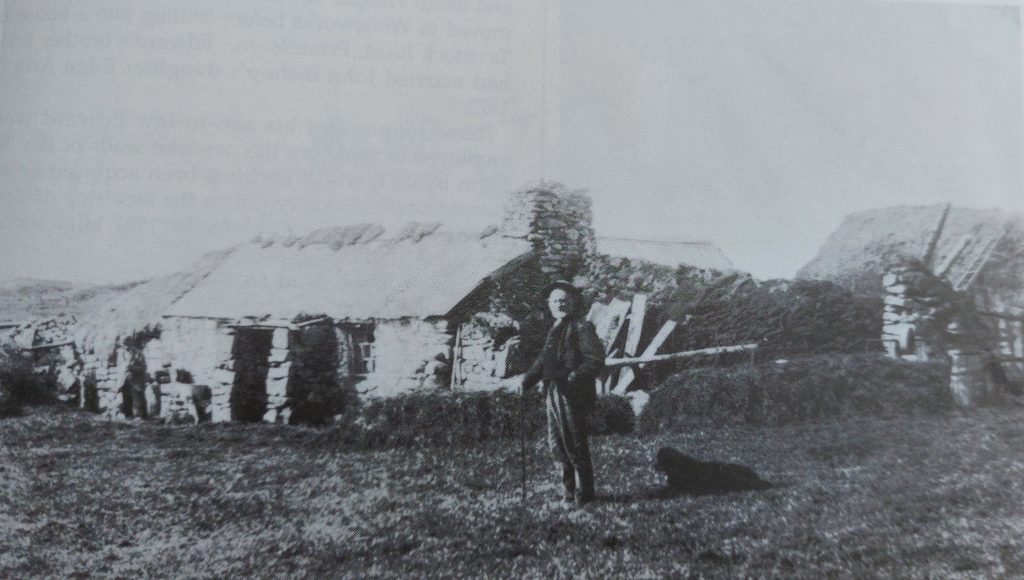
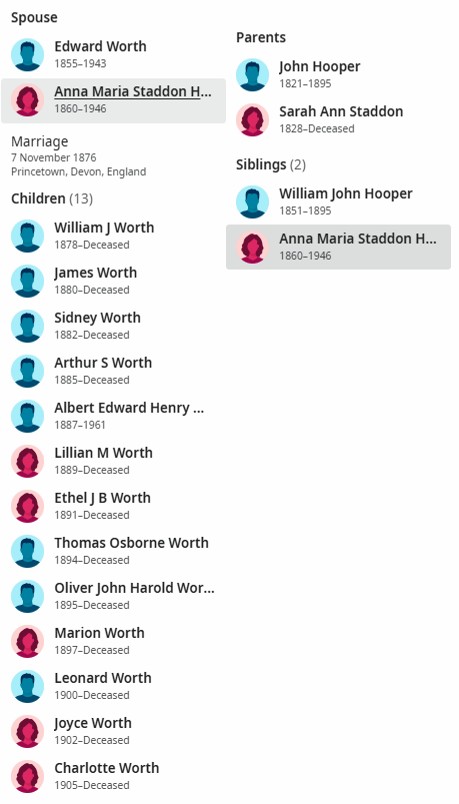
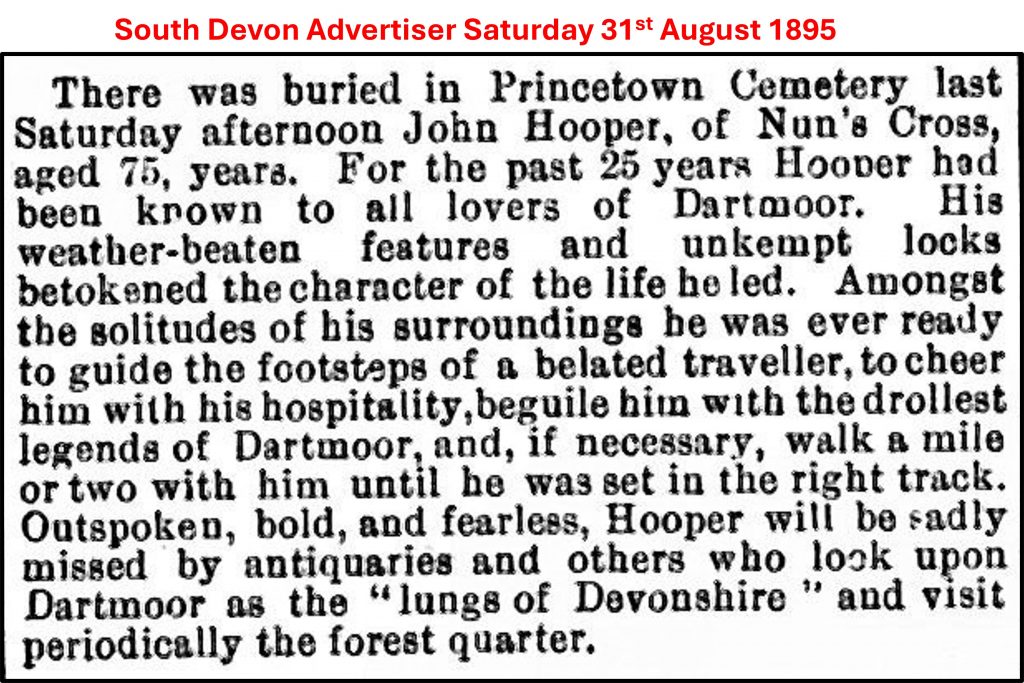
From a photograph (circa 1880s) it is known that the original farmhouse was a single-storied dwelling with two rooms with a barn / outhouse adjacent to it. The census return from 1881 shows only John and Sarah as living at Nun’s Cross Farm with their two children having flown the nest. Anna Maria had married Edward Worth on 7th November 1876. William was an agricultural labourer and where he went to live is unknown to the author. Sarah Hooper died in April 1889 aged around 60/61 and it is assumed that John left farm around this time or shortly afterwards as by the 1891 census, he is recorded as living at Tavistock Road, Princetown with his Daughter and Son-in-Law. In this census, John was recorded as being a ‘labourer general’ so maybe he was still associated with the farm even if he was not living there alone. John was a well known character in the area and his death and funeral were recorded in South Devon Advertiser on Saturday 31st August 1895. He was 72 when he died.
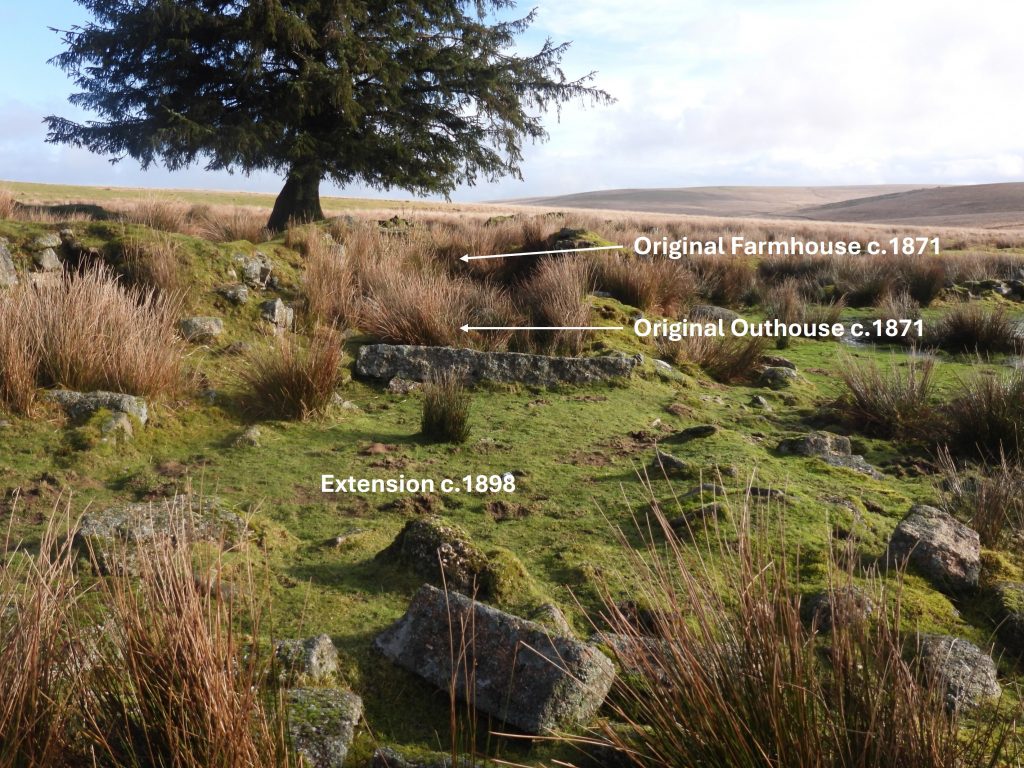
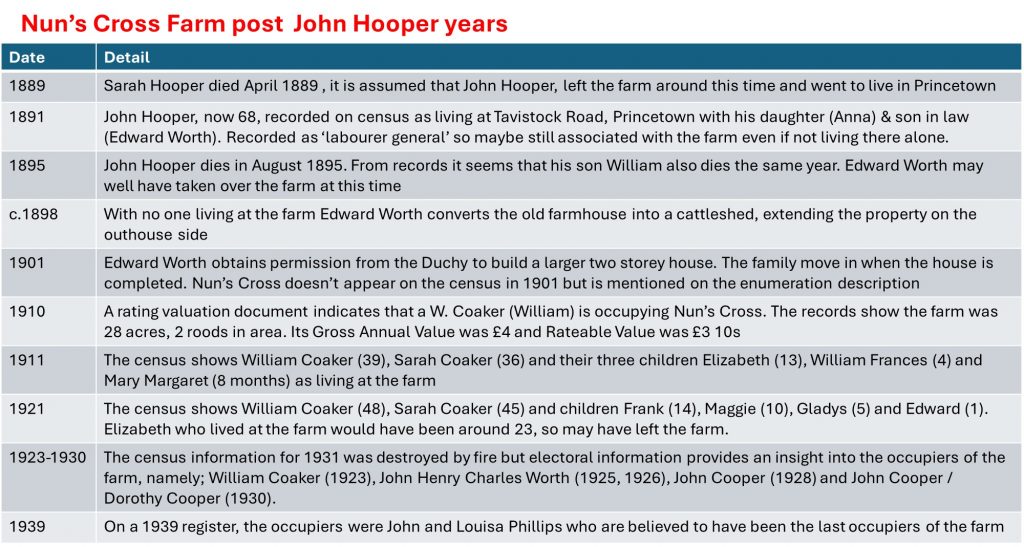
The story of Nun’s Cross Farm may have ended with the passing of John Hooper had it not been for his Son-in-Law, Edward Worth. By 1898, Edward Worth had converted the old farmhouse into a cattleshed and extended it on the outhouse side. In 1901, Worth obtained permission to built a two-storied farmhouse at Nun’s Cross and it is this three bedroomed dwelling which is the one we see today. The ‘new’ farm was occupied by the Worths for a few years, then the Coaker family. The author has managed to establish other occupants of the farm until the late 1930s as including a John Henry Charles Worth, John and Dorothy Cooper plus John and Louisa Phillips who were the last farming family to have lived there. The Elisabeth Stanbrook publication ‘Dartmoor Forest Farms’ and Eric Hemery’s ‘High Dartmoor’ indicate there may have also been a family called ‘Allen’ living there in the early 20th century. Today (in 2026), the property is believed to be managed by Kelly College (Tavistock).
The author is grateful for information obtained from the Elisabeth Stanbrook publication as well as the superbly detailed information received by Debbie Lister (of DW Research Services), who have helped the author (and hopefully any reader of this post) to reflect on the social history of a well known Dartmoor landmark.
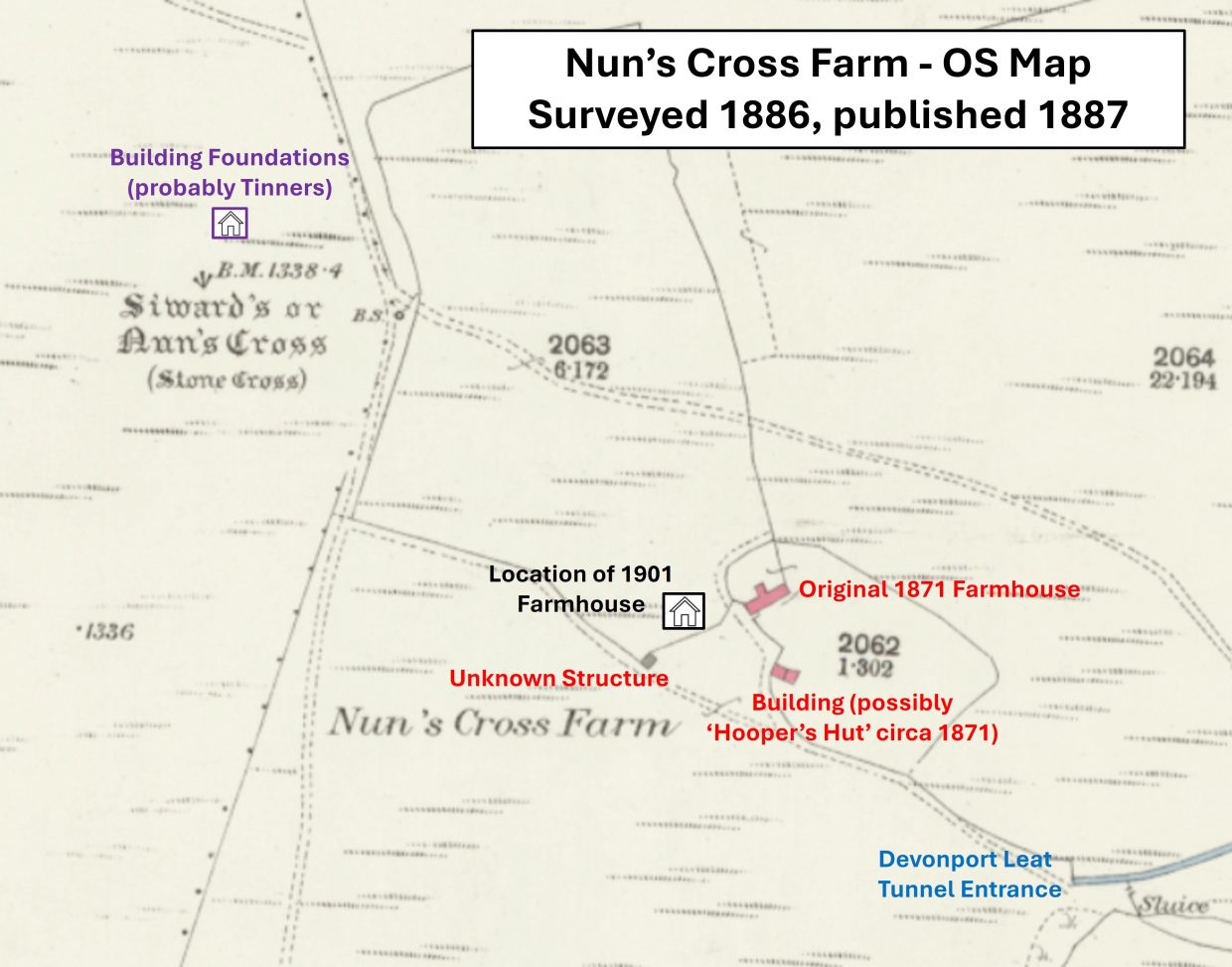
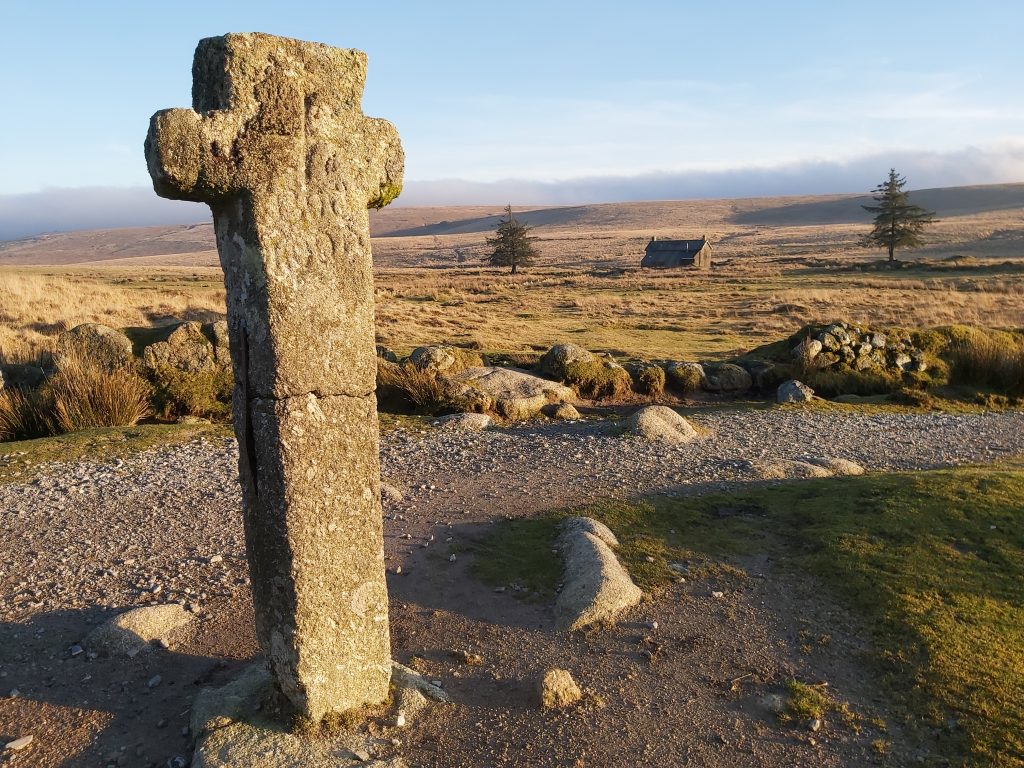
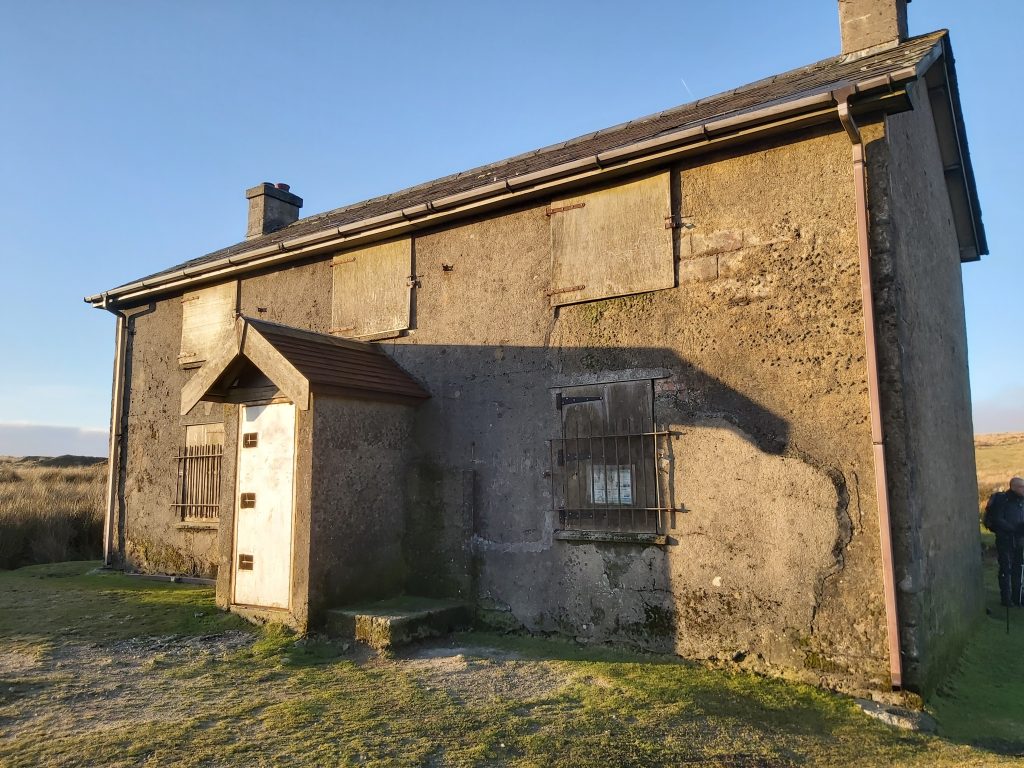
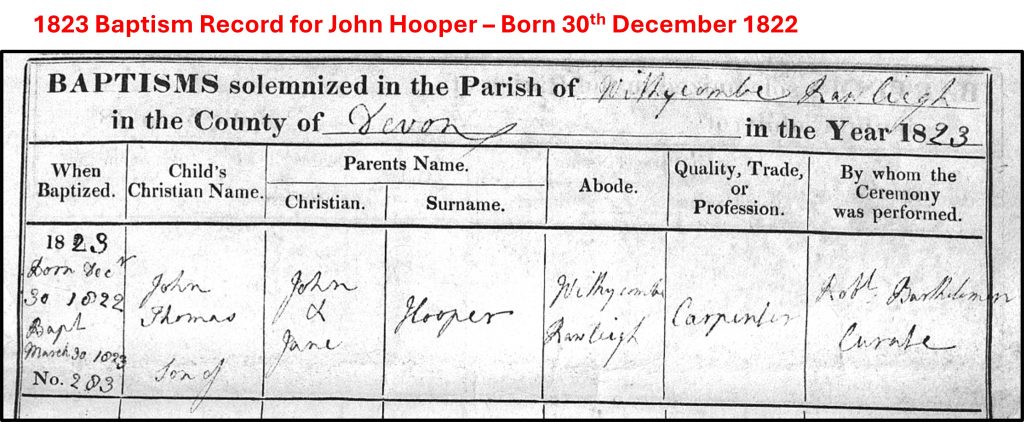
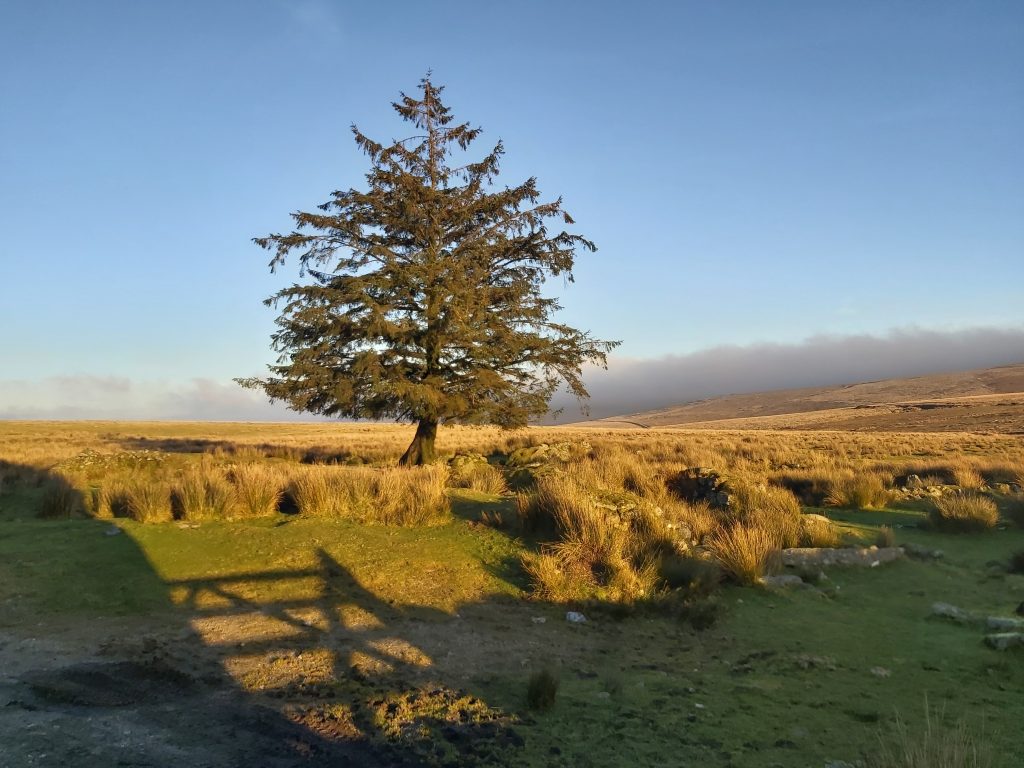
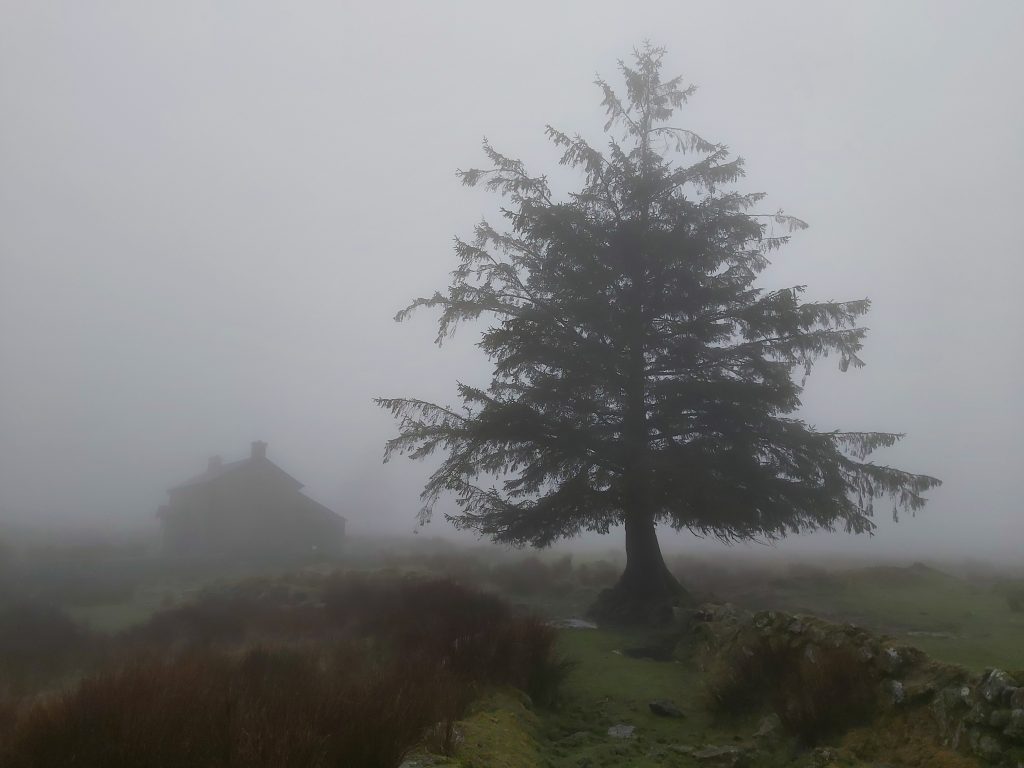
This annotated map from 1887 shows there were two roofed buildings (in pink) and another structure (in grey) at Nun’s Cross Farm. The two ‘pink’ buildings are the original farmhouse and what the author suspects was ‘Hooper’s Hut’. The ‘new’ (1901) farmhouse has been annotated to indicate the relative locations between it and the original farm. Of note, is that to the north west of Siward’s Cross are the foundations of another building which probably relates to tinners’ activities in the area which are documented from the early 17th century through to the mid-19th century, so which pre-date the farmThe classic view of Nun’s (Siward’s) Cross with the 1901 farm beyond framed by two large fir treesThe 1901 farmhouse taken on 29th December 2019Another view of the Edward Worth (1901) farmhouse. Taken 23rd December 2023Murky conditions on 23rd January 2020The story of Nun’s Cross farm begins with John Hooper, who was the last man to enclose a parcel of land on Dartmoor towards the end of the 19th century sometimes referred to as ‘The Improver Period’. Hooper and his wife Sarah, built the original Nun’s Cross Farm around 1871 and lived there with their two children; William and Anna MariaJohn Hooper came from Witheycombe Rawleigh near Exmouth and was born on 30th December 1822. His father was also called John and was a carpenter and his mother was called Jane, although on some records she is referred to as Joan
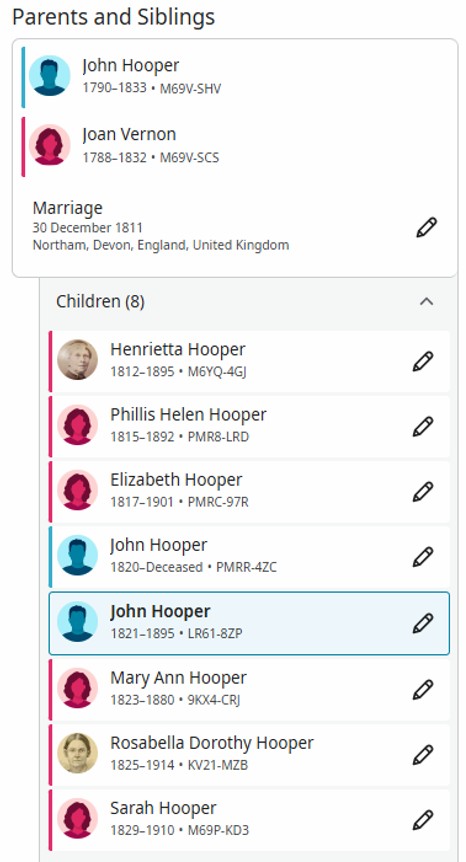
John Hooper was the 5th child (from 8) of John Hooper (Senior) and Joan (or Jane) Vernon according to records from www.familysearch.org. John Hooper (Senior) came from North Devon (Northam) but had moved to East Devon by the time John Hooper (Junior) was born. How John eventually left East Devon to live in the wilds of Dartmoor is one of intrigue and one where the fully story will never be fully told
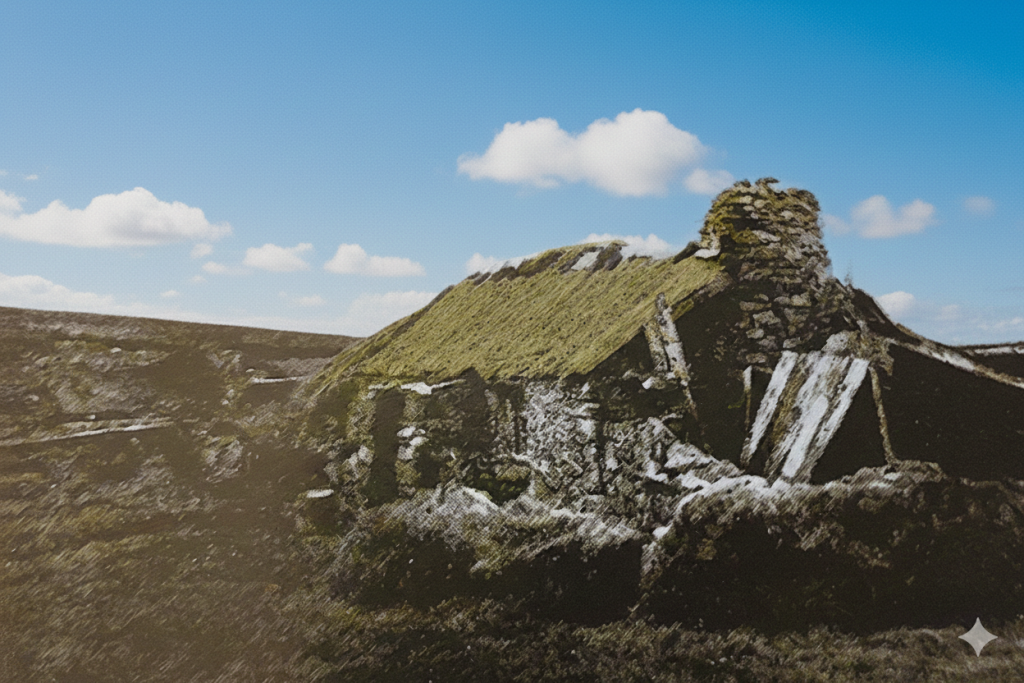
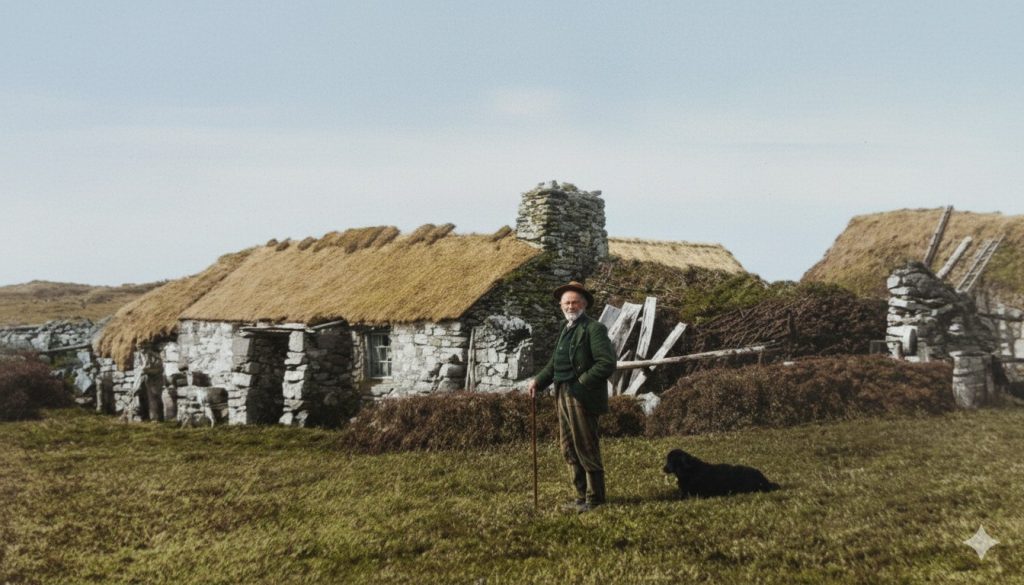
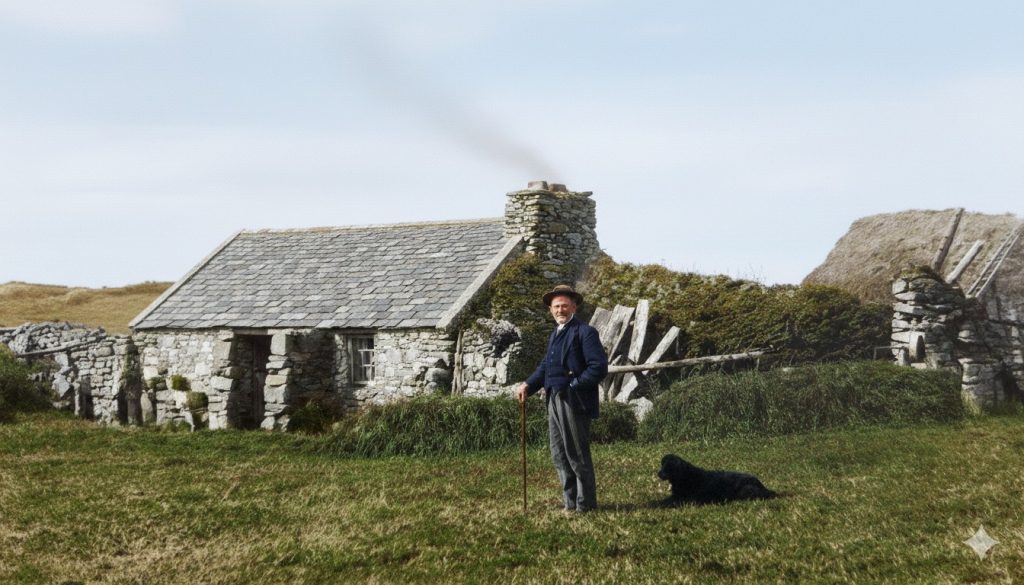
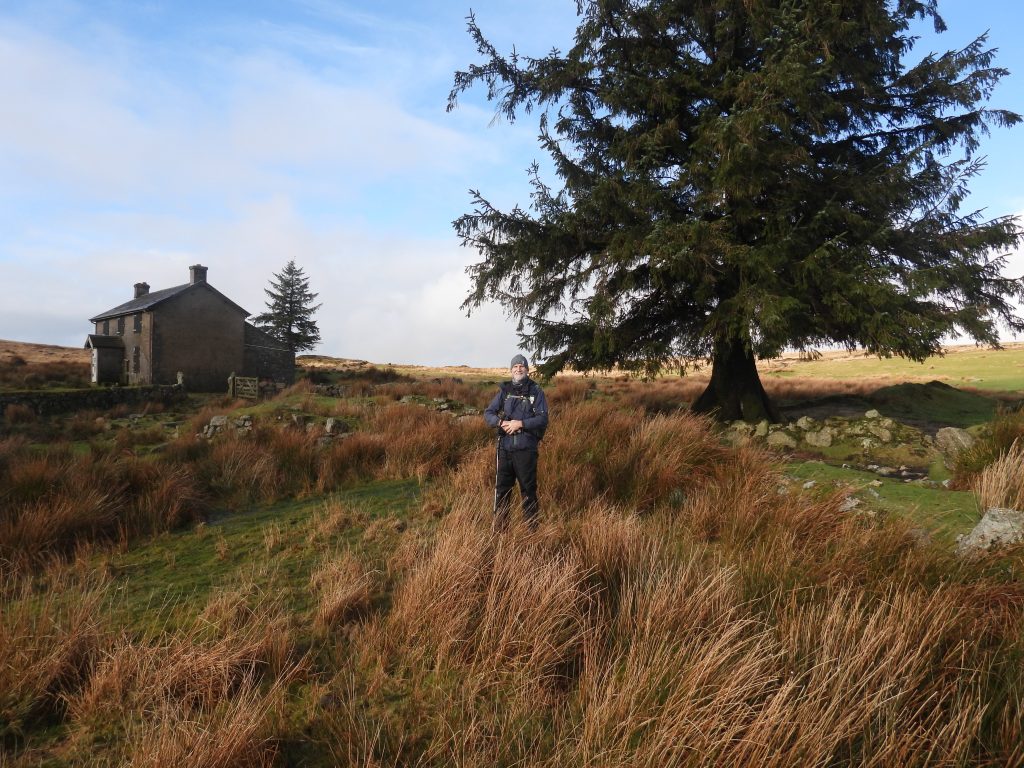
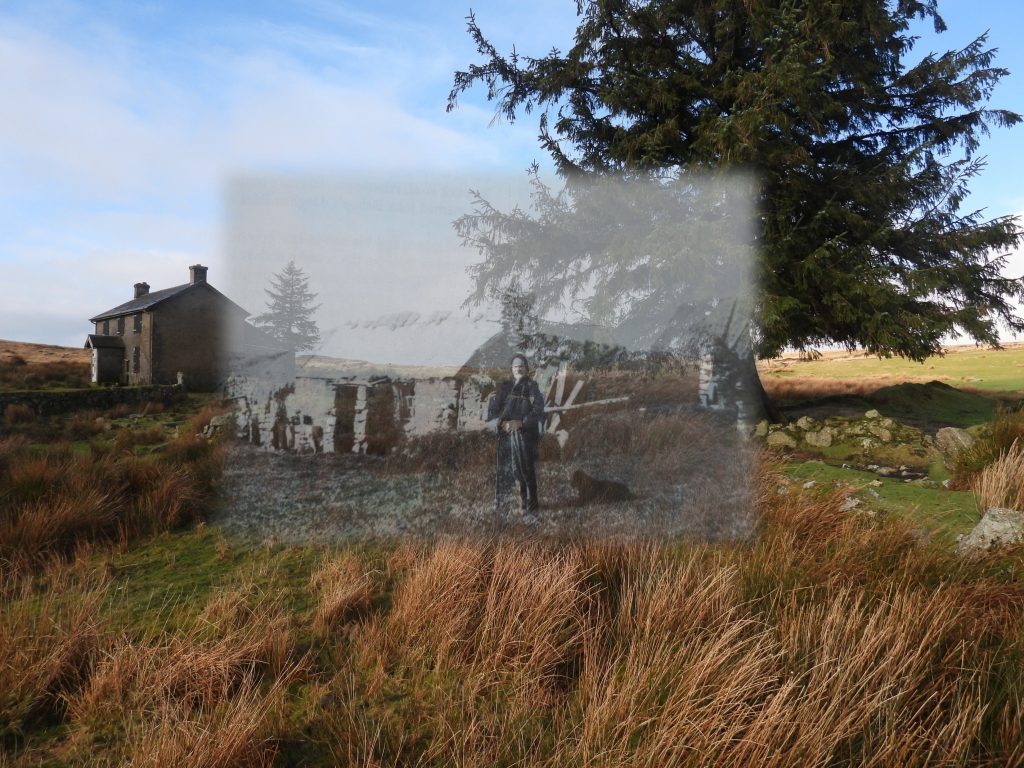
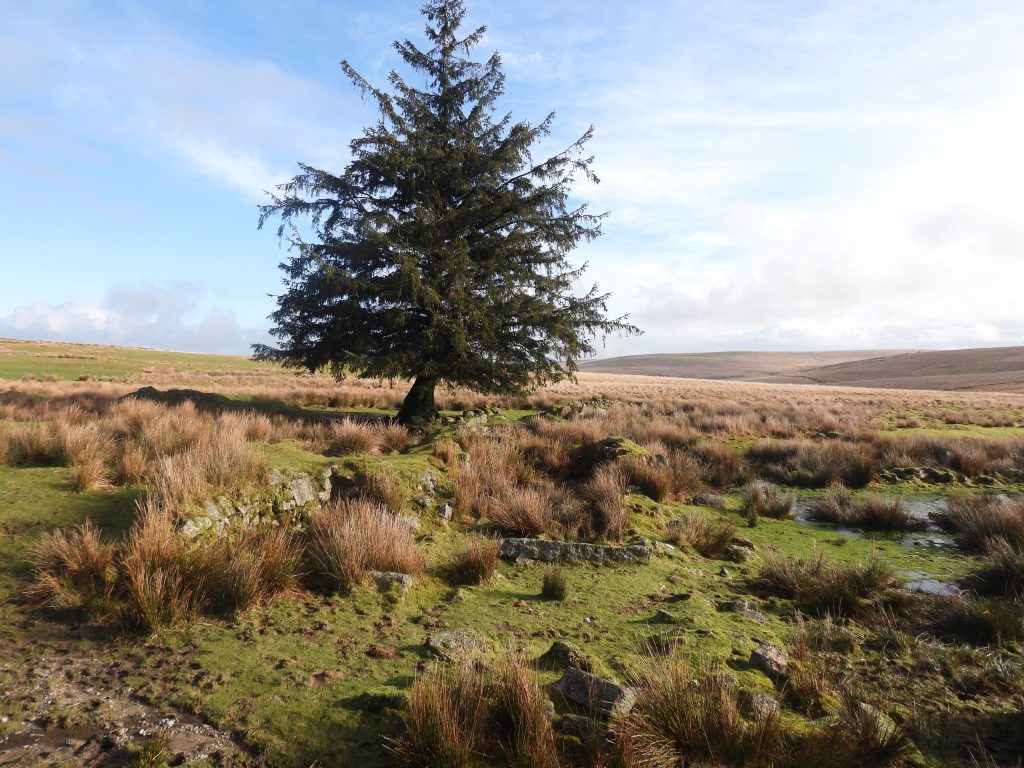
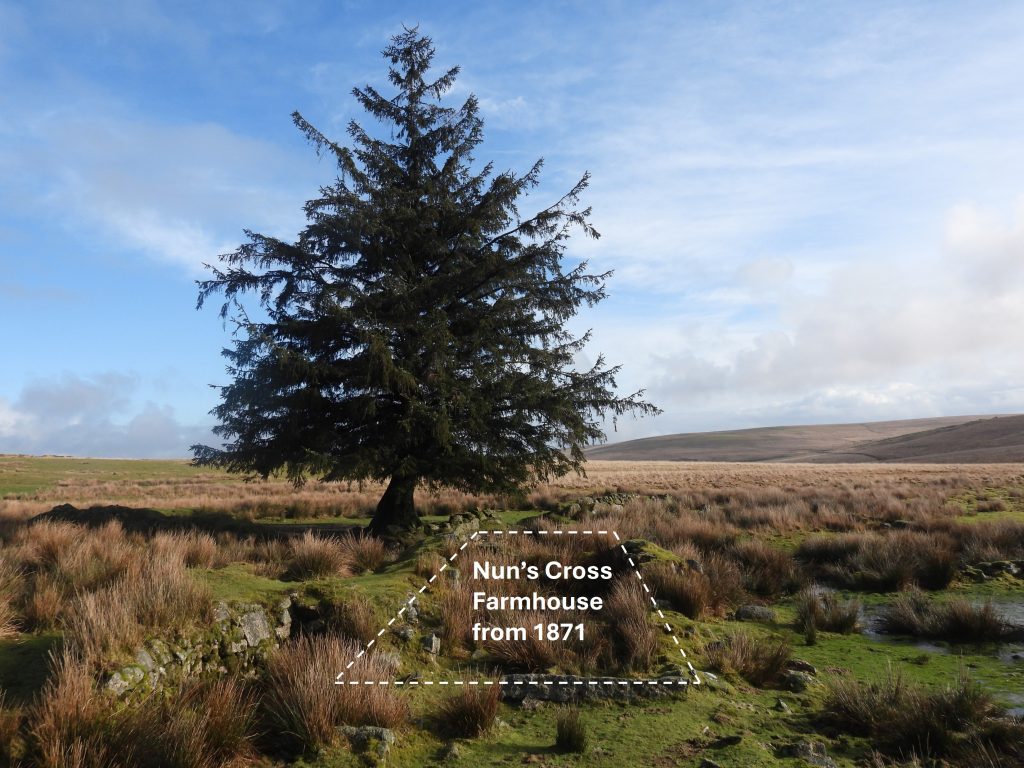
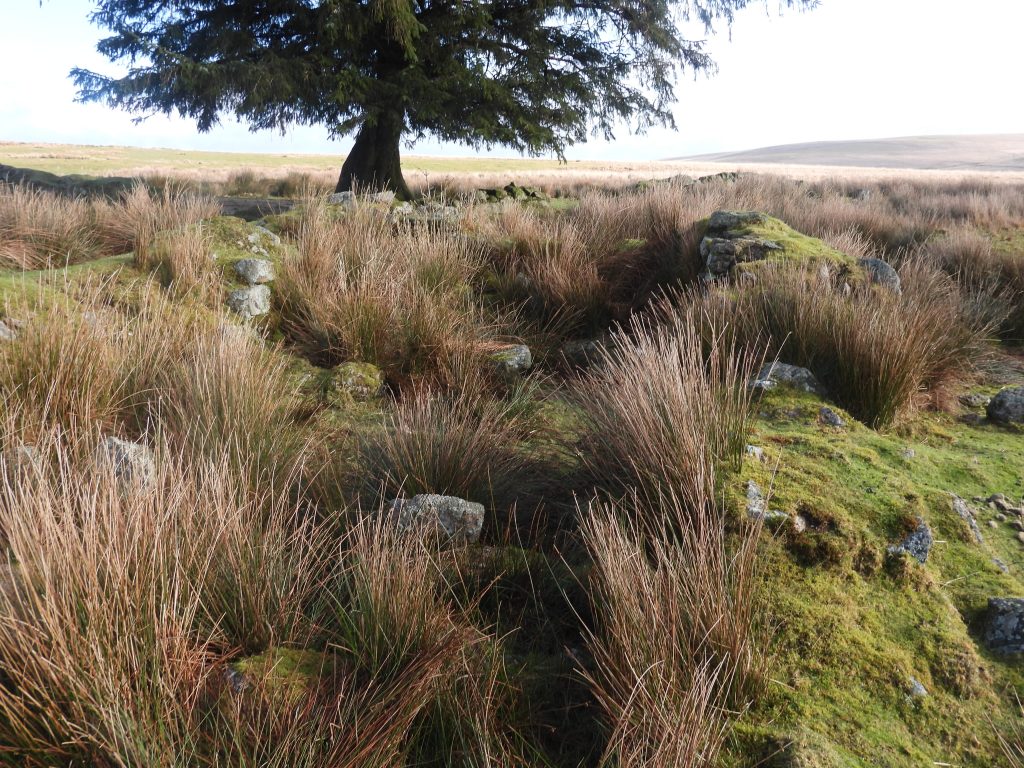
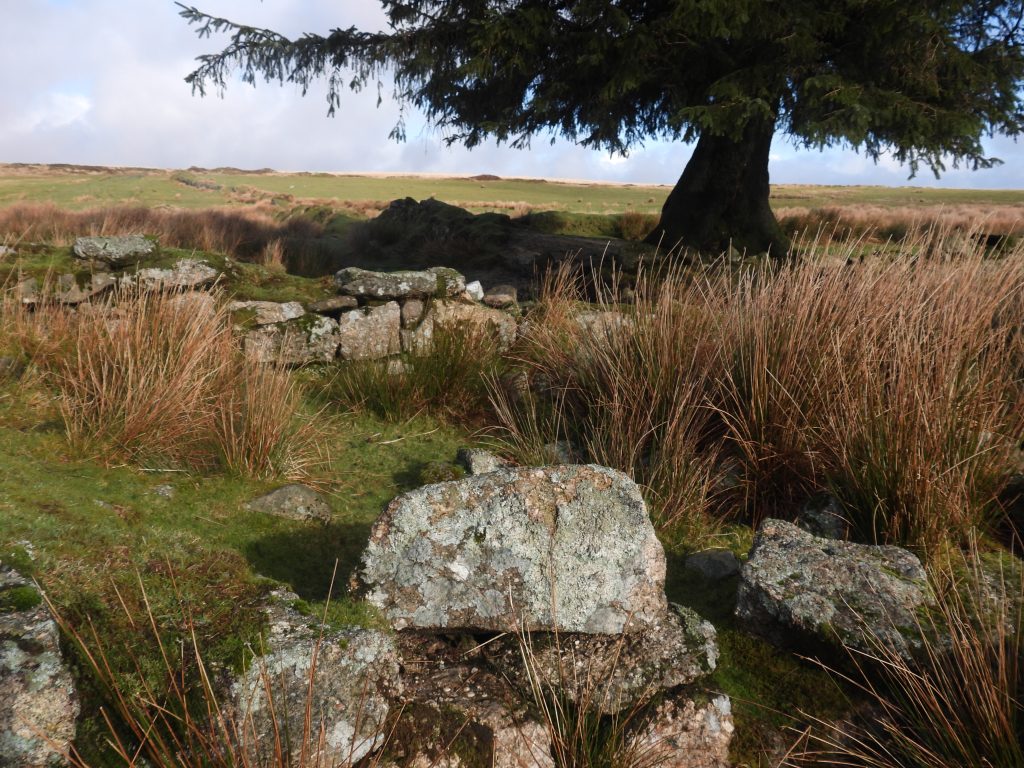
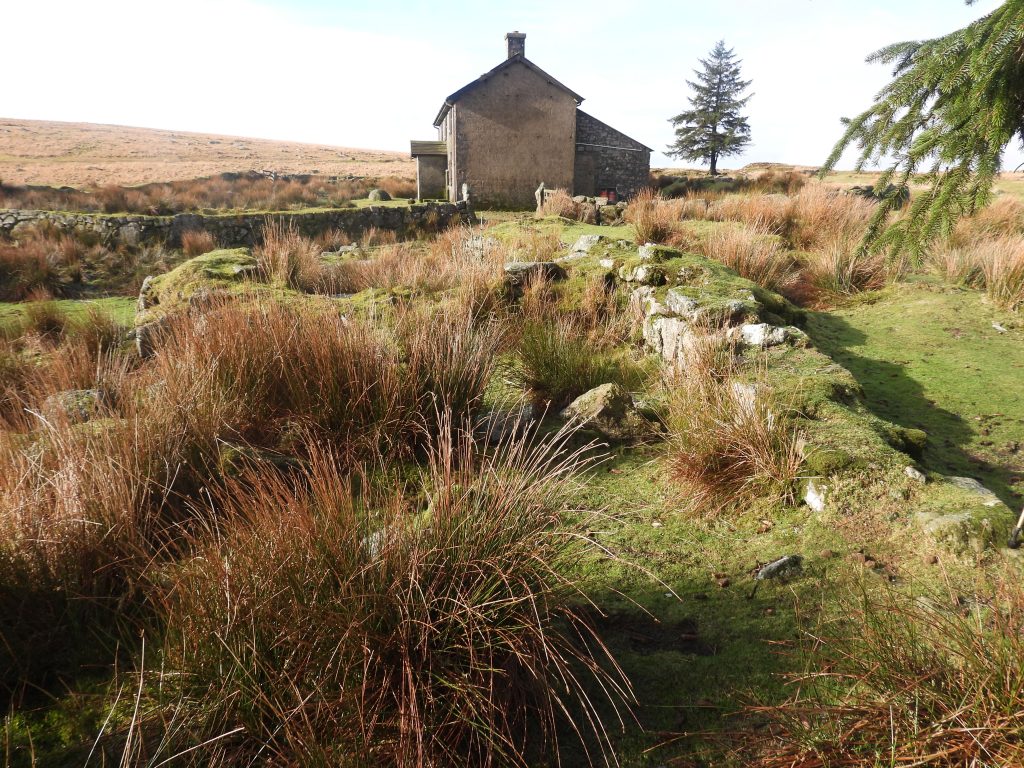
Records from www.familysearch.org indicate that John was born in 1821, whereas in fact the baptism records show he was actually born in 1822. When the Hooper family moved to Dartmoor, John would have been around 49, Sarah would have been around 43, William would have been around 20 and Anna Maria would have been about 10 or 11. A 19th century (colourised) picture of the original Nun’s Cross Farm cottageThis is the only known photograph of John Hopper and the original Nun’s Cross farm. The lease from the duchy called for a slate roof. To the author it is unclear what the roof is constructed from, either thatch or slate ? Note the hay rick, peat stack, the outhouse and second figure (to the left of the doorway). The author guesses this picture was taken in the 1880s, when John would have been in his 60sColourised picture using AI, which assumed the cottage / farmhouse to have a thatched roof. In Crossings’ book ‘Dartmoor Worker’, he (Crossing) recalls the land being enclosed by John Hooper. Crossing states that John Hooper “told me not long afterwards that by the time he had got up his walls and tiny dwelling, and bought his cow, his limited capital had disappeared, or, as his wife more forcibly put it, he possessed no more than ‘fourpence hap’ny’ to go on with”. Crossing in his ‘Guide to Dartmoor’ described it as a: “…quaint little thatched cottage”.Using the AI filter to make a slate roof (as per the Duchy lease) on the cottage / farmhouse. Crossing stated in ‘Dartmoor Worker’: “During the latter part of his life, John Hooper was able to sell £100 worth of cattle yearly, which considering the size of his place, was most satisfactory. But he worked hard, for though not a Dartmoor man born, he possessed all the instincts of one”. Hooper found time to work at Kingsett farm (ref: Stanbrook) and at Whiteworks (ref: Hemery)This picture from February 2026, is of the authors buddy (Frank) standing at more or less the same position that John Hooper had in the 1880s composition of the original Nun’s Cross farmCombination of the 1880s picture and the 2026 picture – John and Frank merged!The ruins of the original Nun’s Cross farm from 1871 and its 1898 extension can still be found. This picture was taken on 29th December 2019The track to the farm – it doesn’t look compliant with the original specification from the duchy to make it 20ft wideThe ruins of the original farm taken on 13th February 2026. Note the gatepost / lintel – this marks the approx position of the end of the 1871 outhouse and the 1898 extensionThe footprint of the original farmhouse at SX60616 69835Through examining the foundations left, the above annotated picture indicates the author’s interpretation of the various features and their build periodsThe footprint of the 1871 farmhouse and outhouseThe 1871 farmhouseThe original farmhouse looking east to west. Crossing (Dartmoor Worker) also recalls being told that John Hooper’s wife (Sarah) had assisted her husband with “Her part consisted more particularly of gathering stones and bringing them to her husband”These census extracts from 1871, 1881 and 1891, show a timeline of John Hooper and his family at Nun’s Cross and latterly at Princetown. The 1871 census indicates the address as being ‘Hooper’s Hut’. The author believes there was an error recording John’s and Sarah’s ages on the 1871 census (43 and 38) as just 10 years later their ages were 58 and 53. The 1881 ages are the most likely to be correct as looking back at the 1861 census their ages were recorded as being 39 and 33 respectively. By 1891, John (now in his late 60s) had moved to Princetown to live with his Daughter (Anna Maria) and Son-in-Law (Edward Worth) and their six children. John Hooper and Edward Worth in 1881 were employed in repairing the newtake walls of Fox Tor farm by a James Lamb. Eric Hemery suggests that the repairing of these walls took place in 1901 which would have been 6 years after John Hooper died.
The Hooper and Worth families. Anna Maria ‘Staddon’ Worth (nee Hooper) had 13 children. They would have lived at Nun’s Cross (new farm) from 1901. Anna and Edward married on 7th November 1876, when she was just 16 years old. She would have lived at the original Nun’s Cross farm for around 5 years. The early years of her marriage were spent at Peat Cot*, then Whiteworks before moving to Tavistock Road, Princetown. Anna Maria died on 15 October 1946, in Princetown, Devon, England, at the age of 86. *Hemery suggests Anna Maria and Edward Worth lived at Nun’s Cross farm in the first few years of their marriage; living at one end with their parents at the other. There is no evidence to support this suggestion
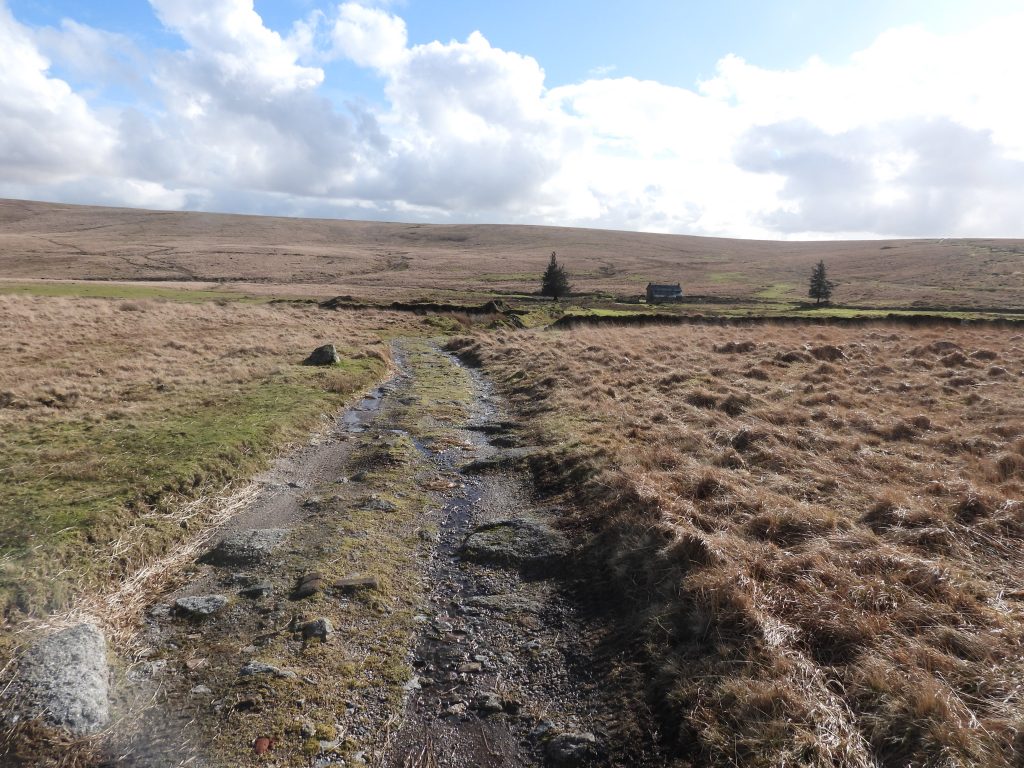
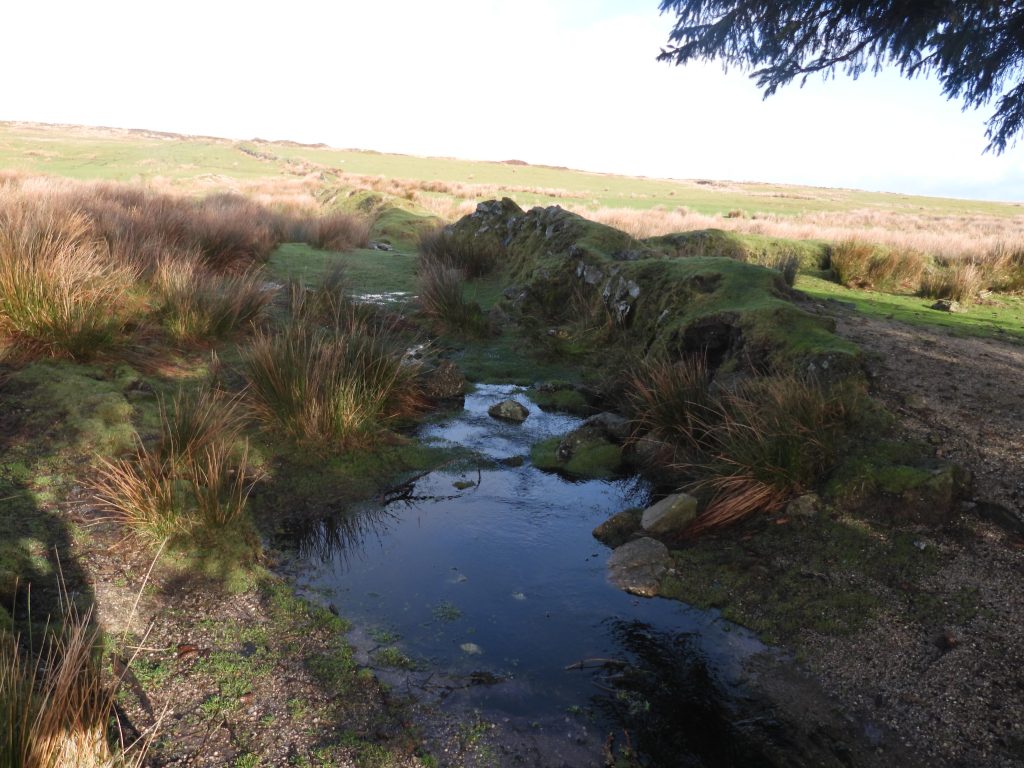
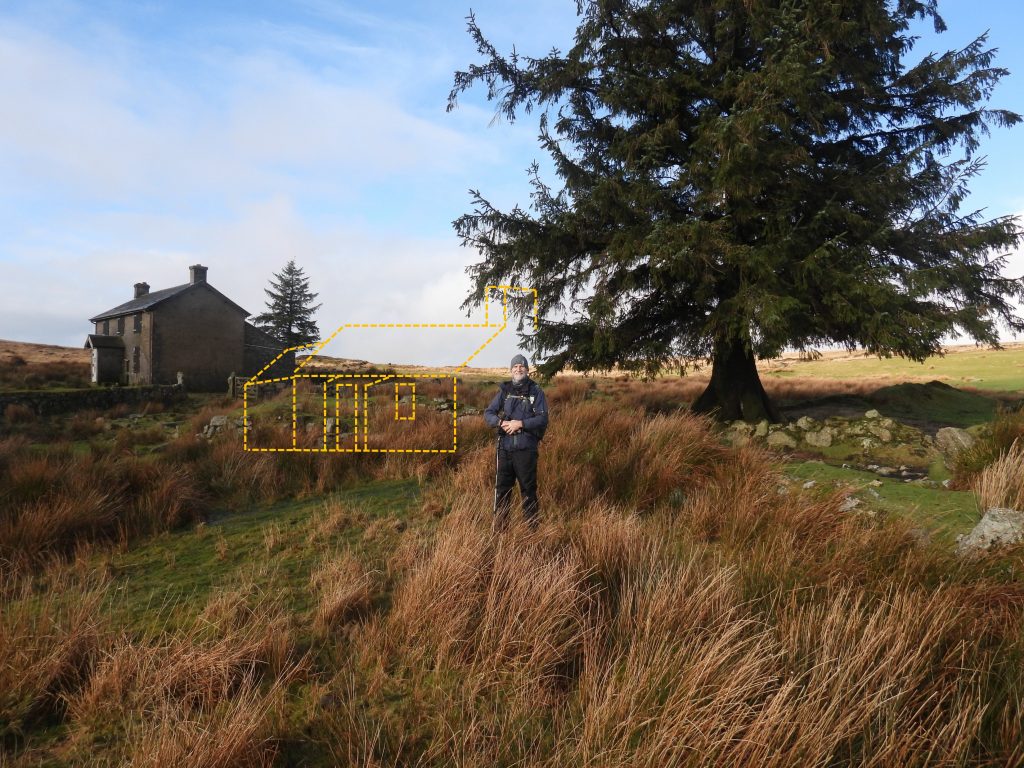
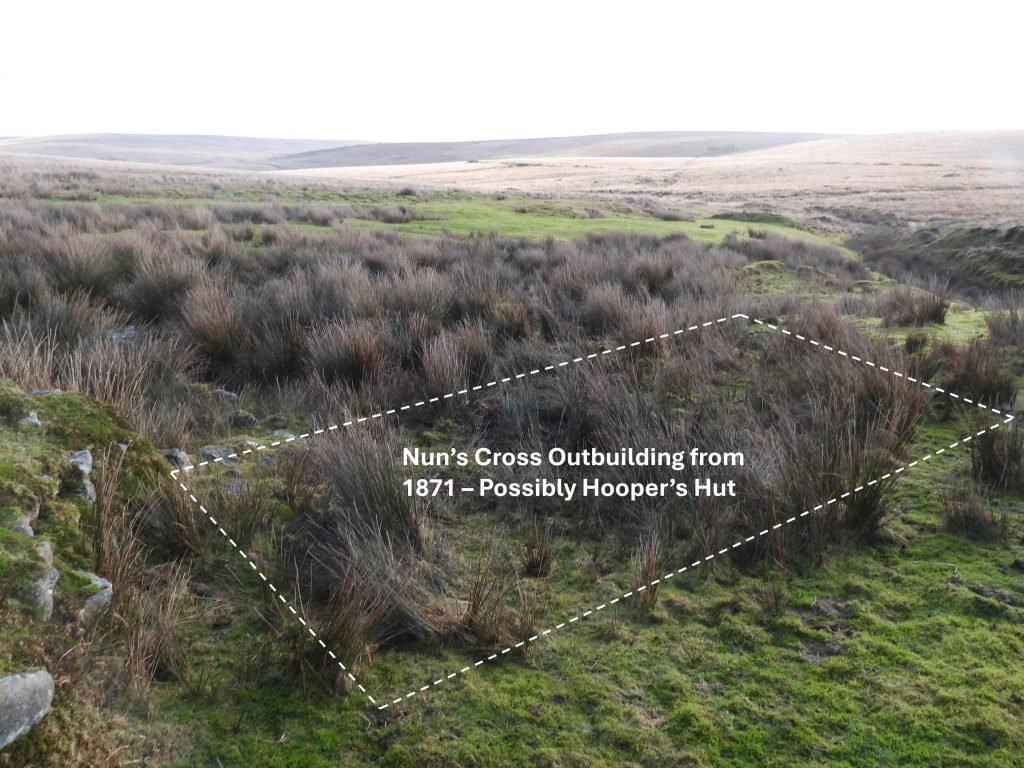
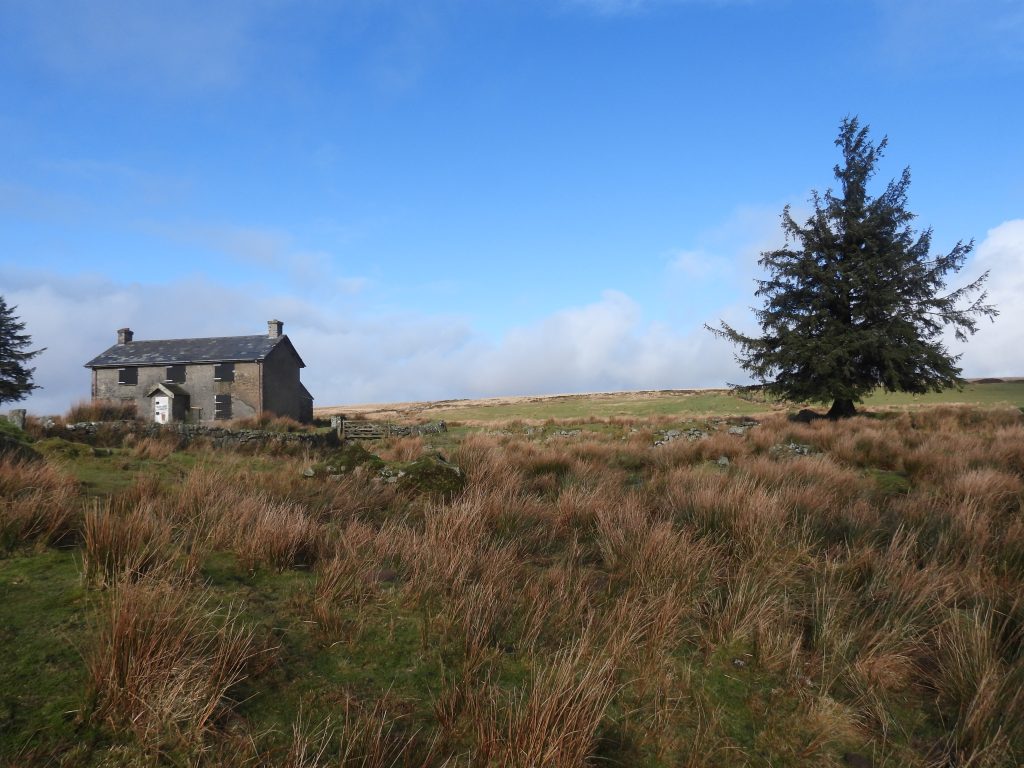
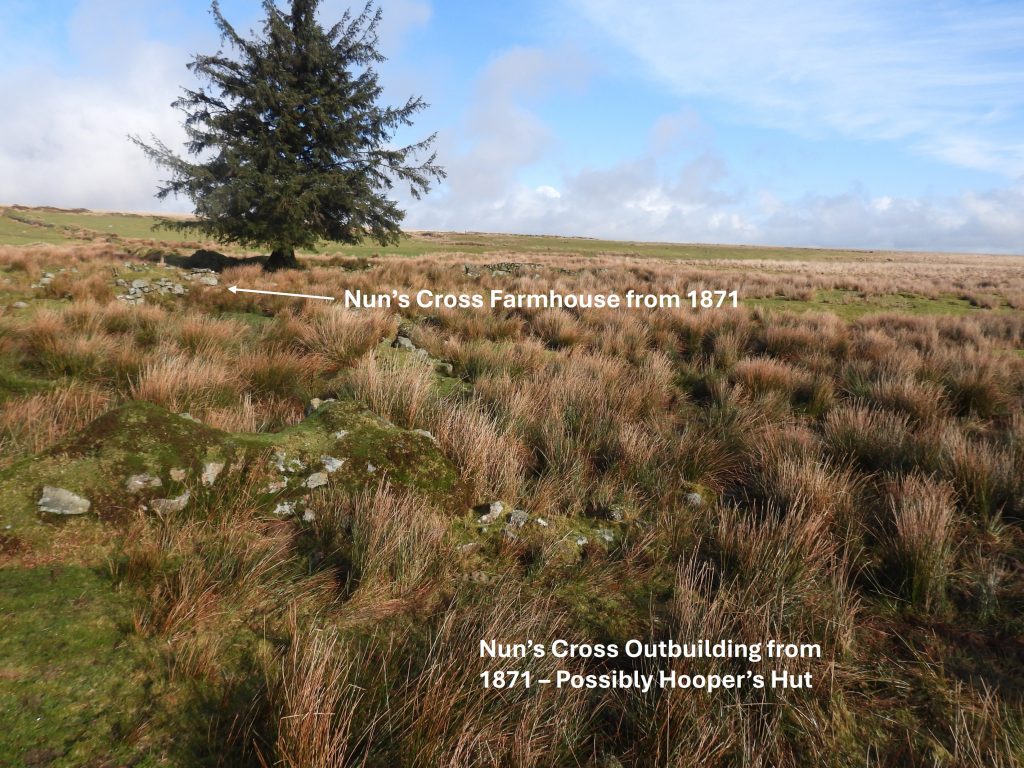
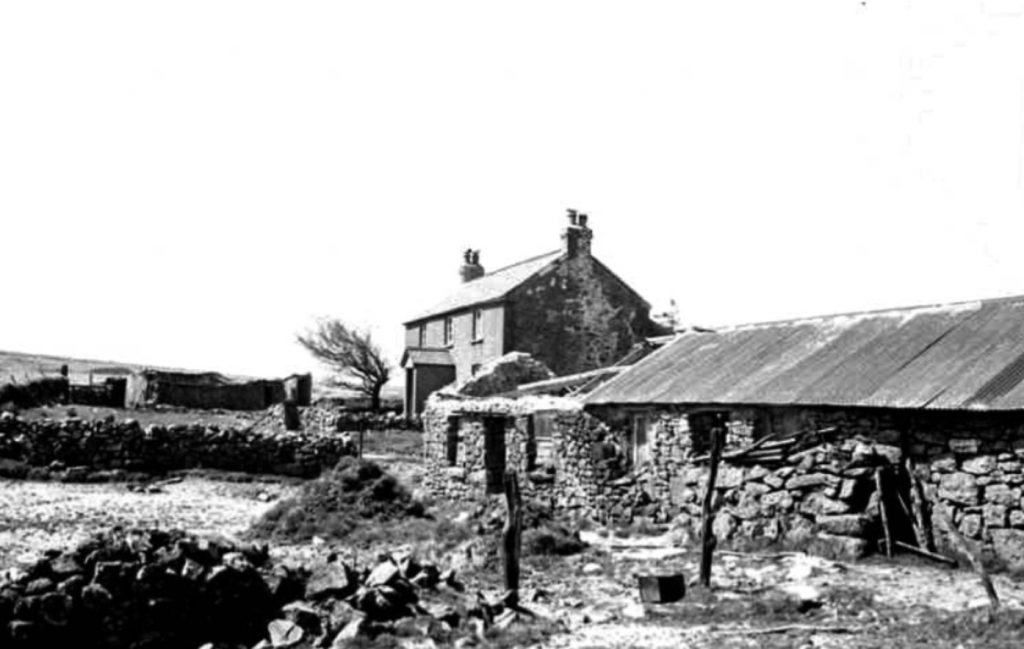
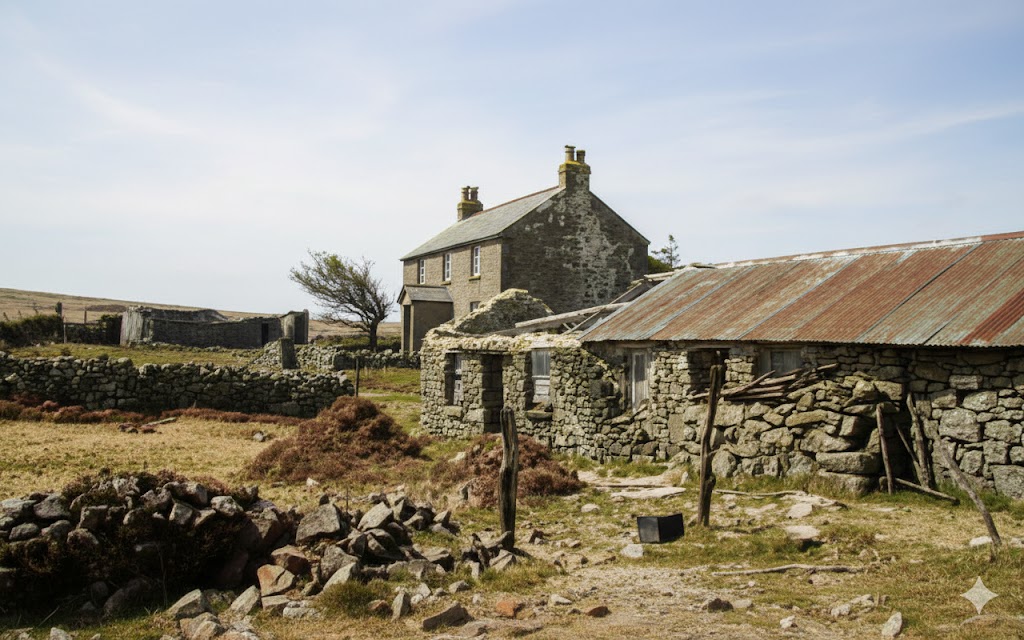
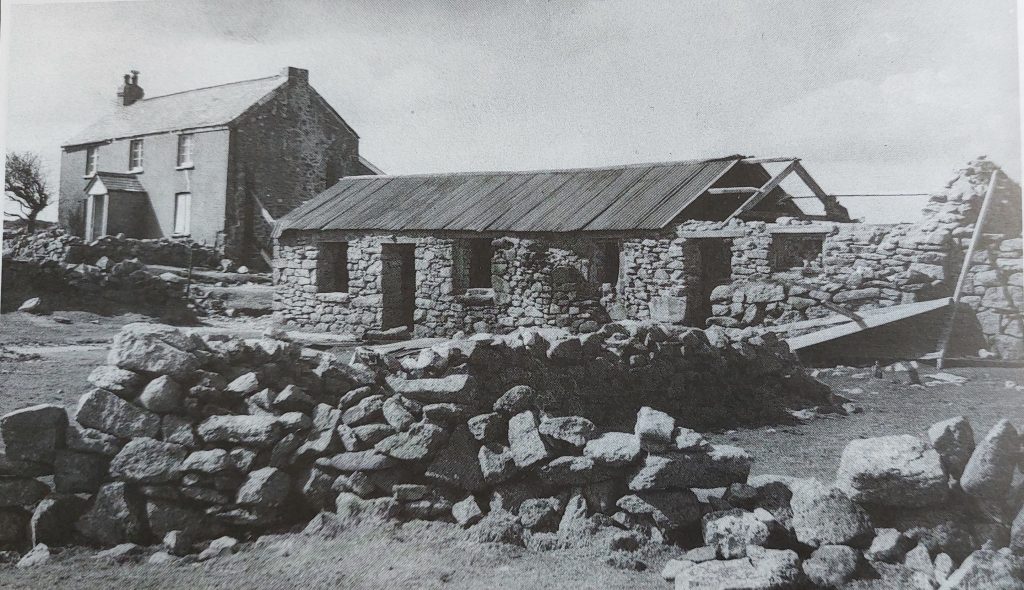
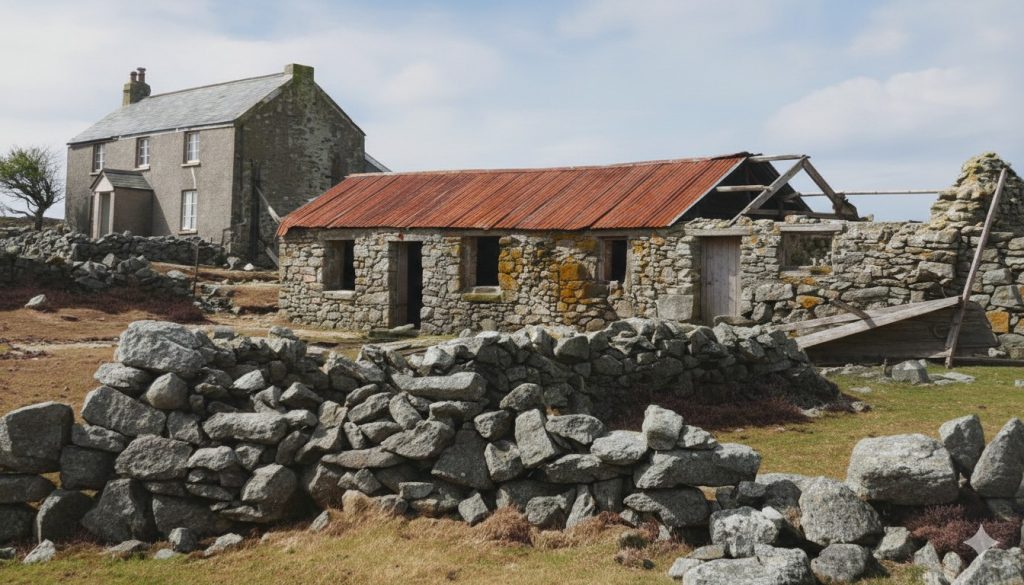
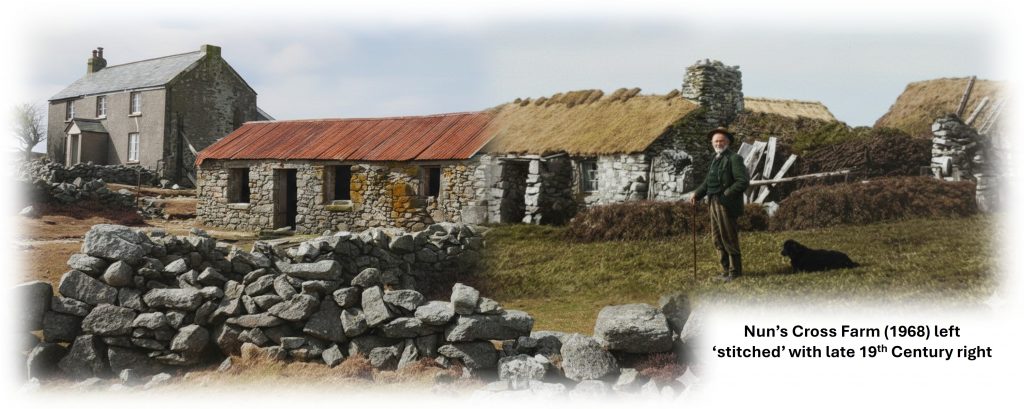
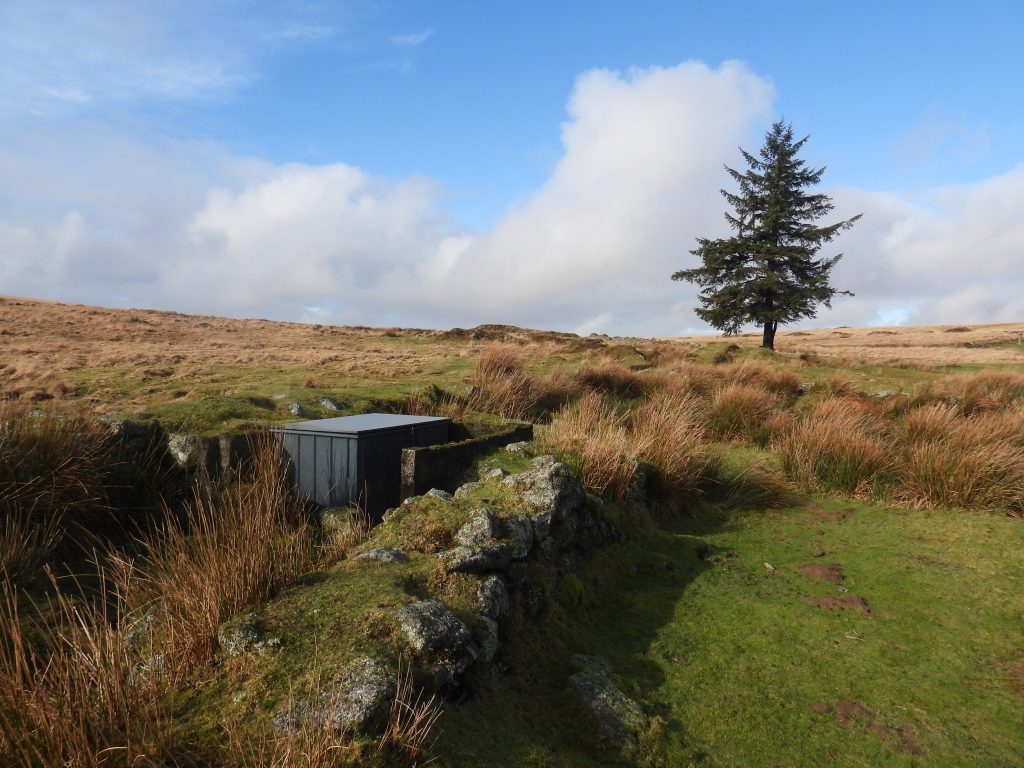
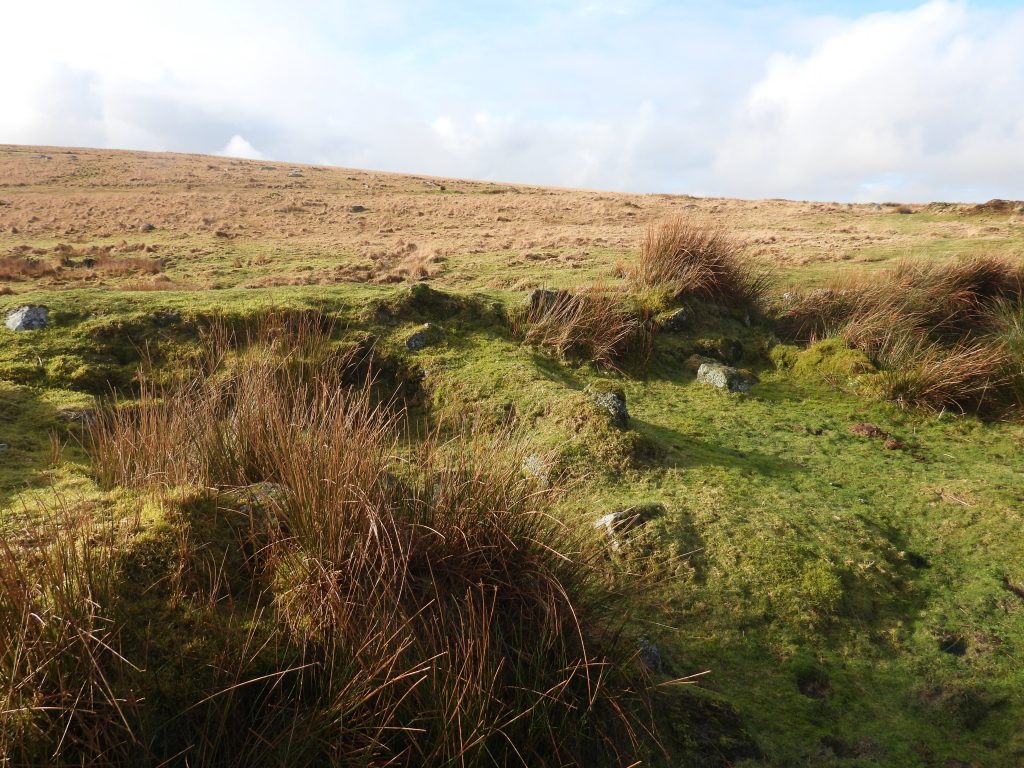
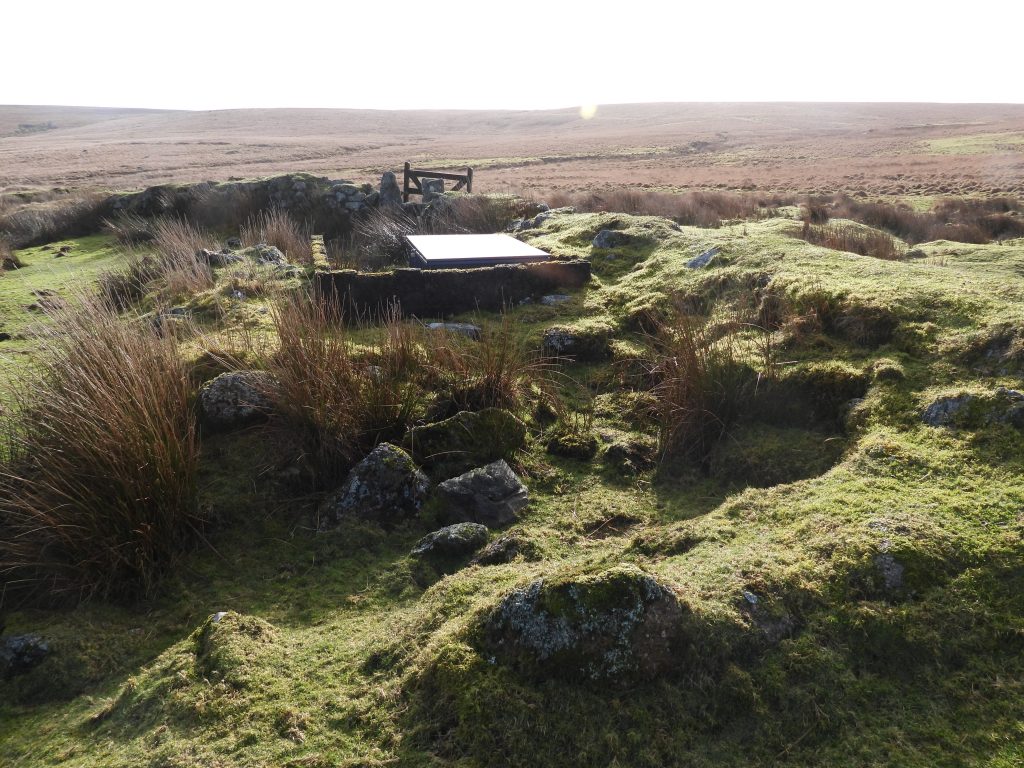
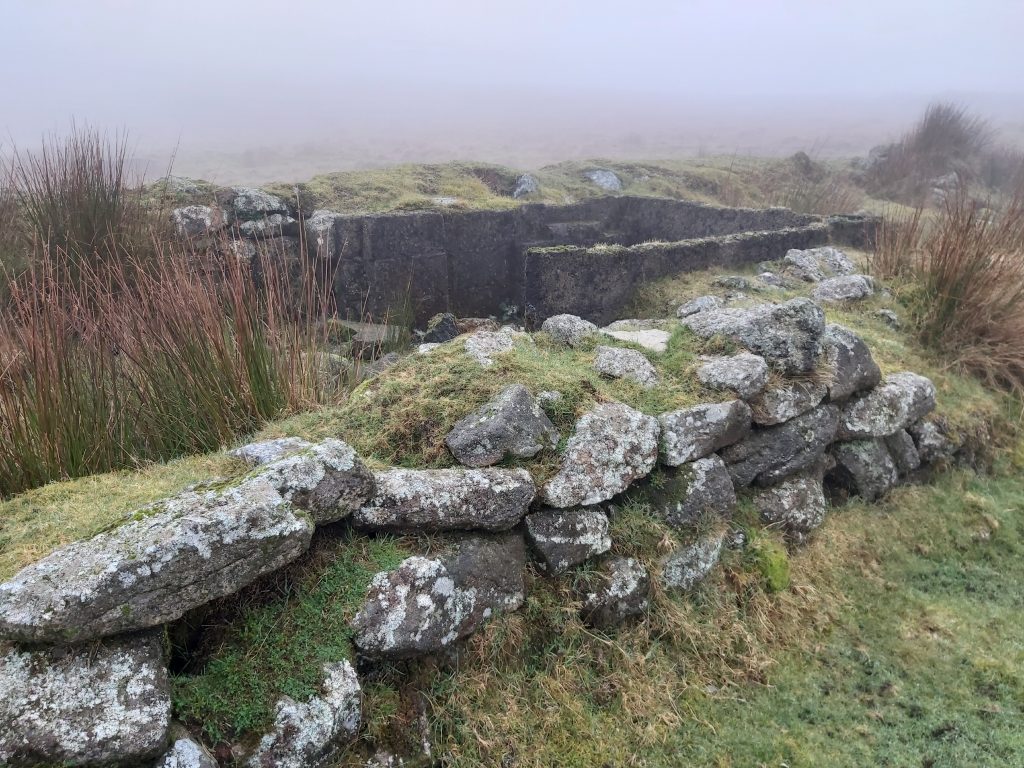
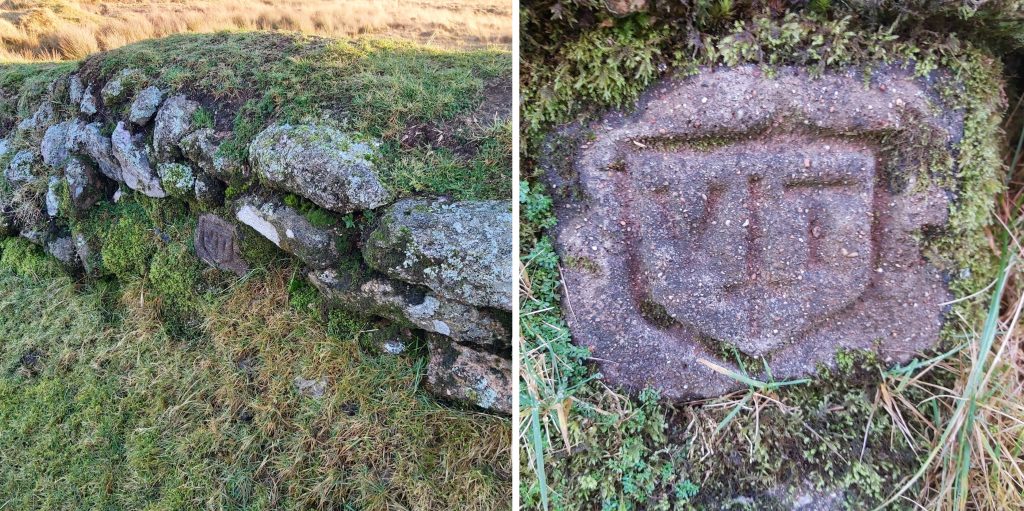
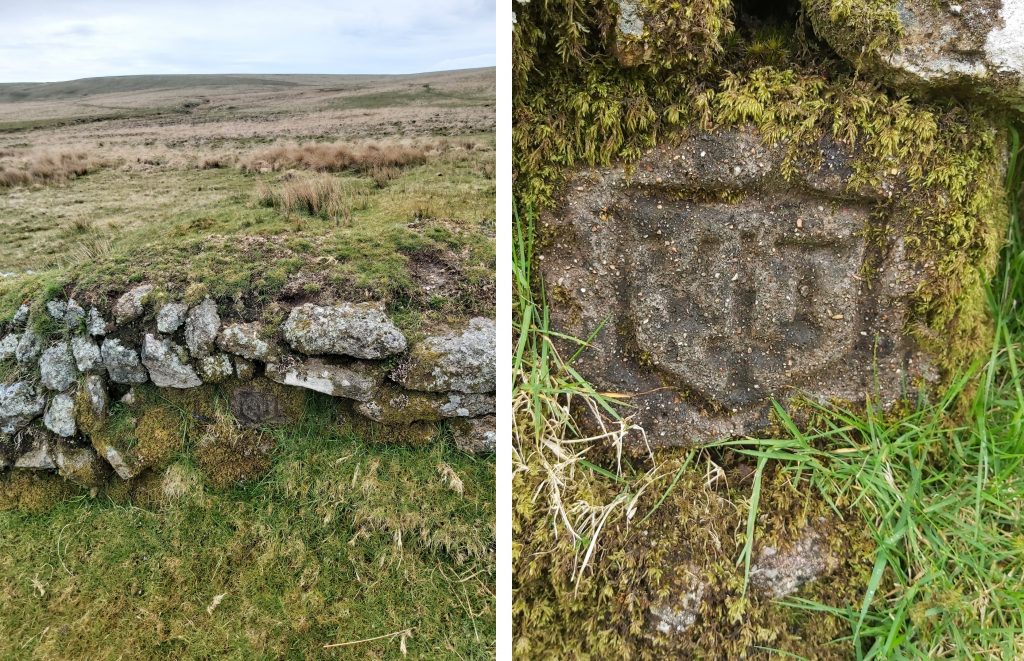
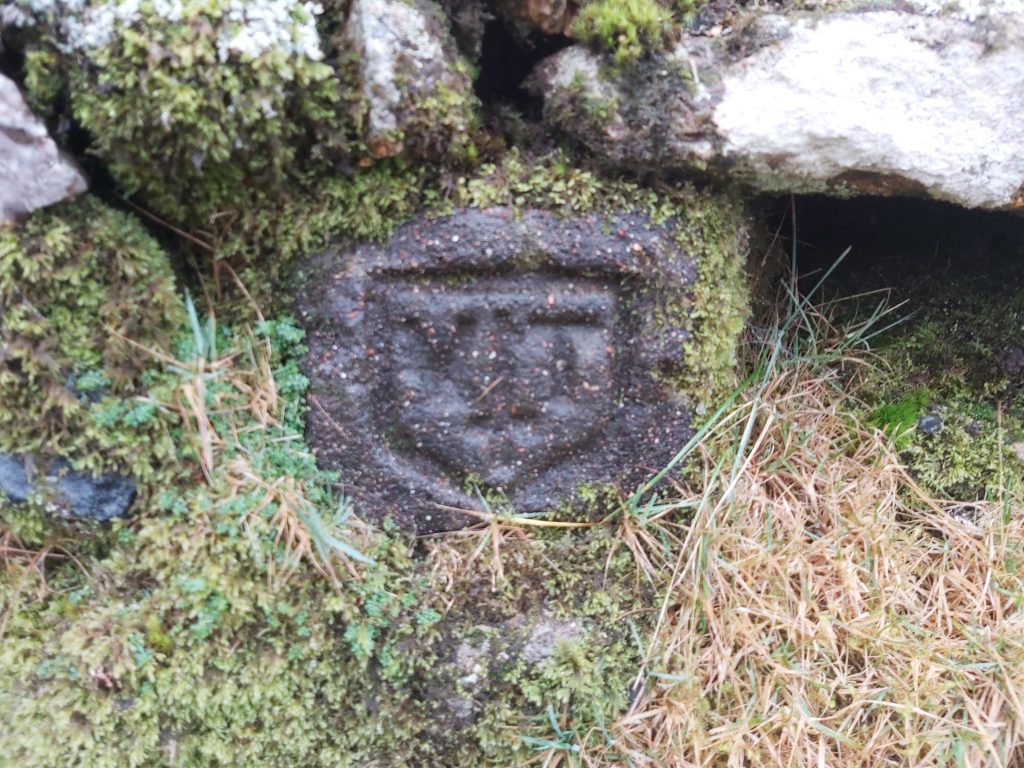
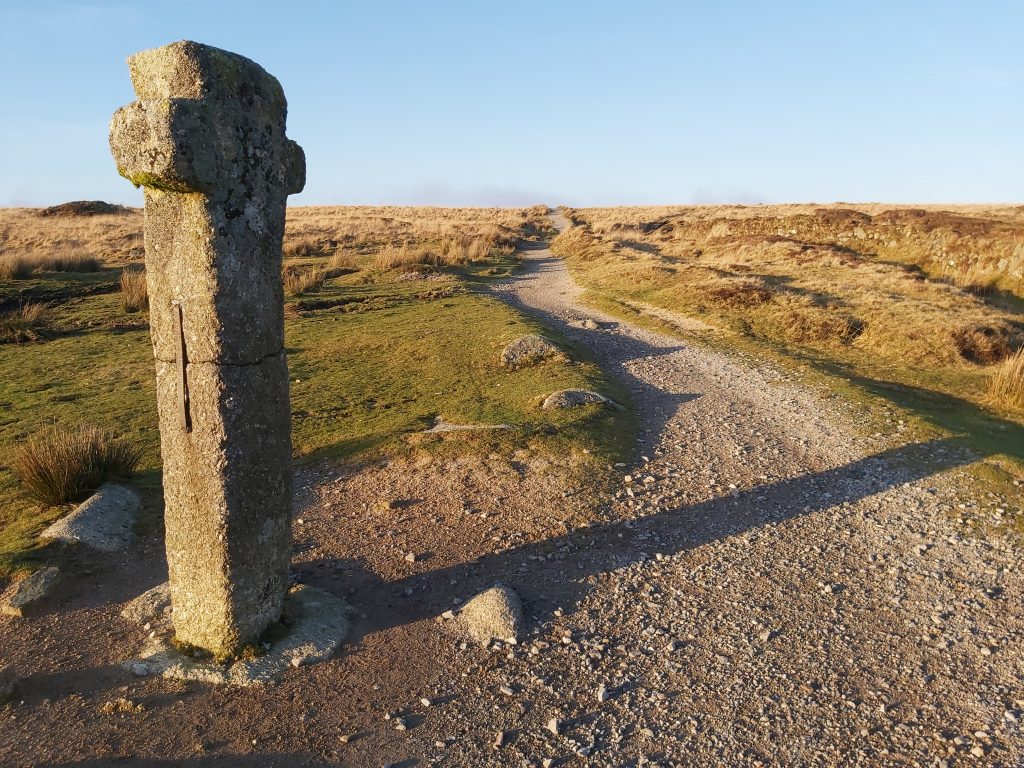
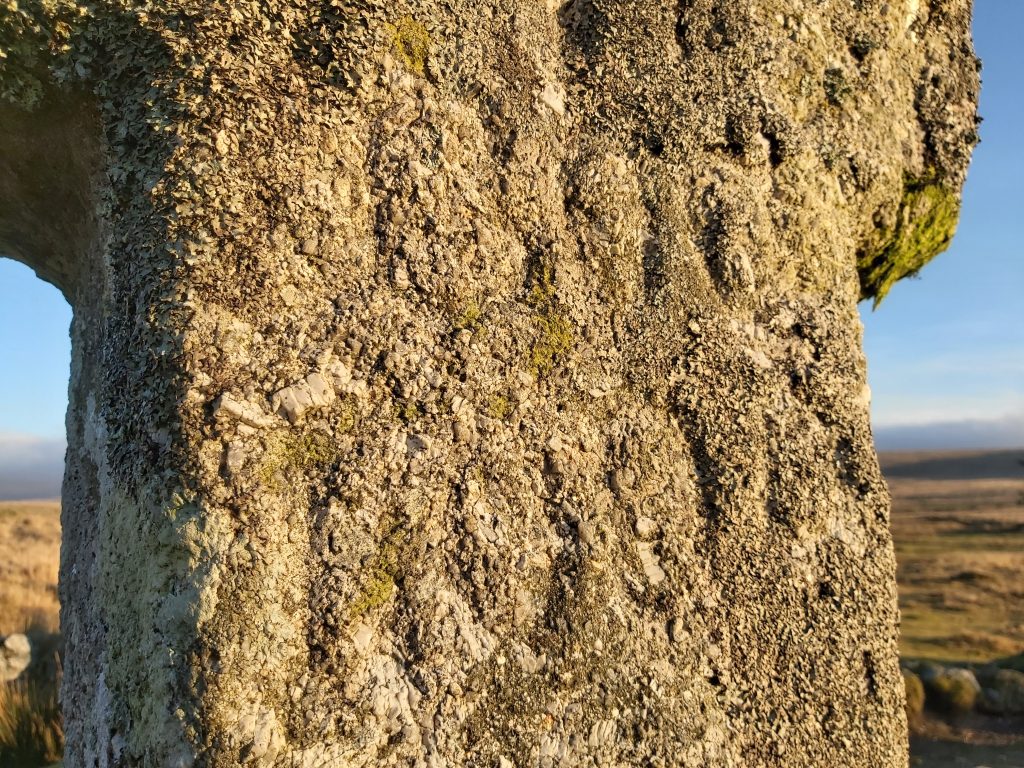
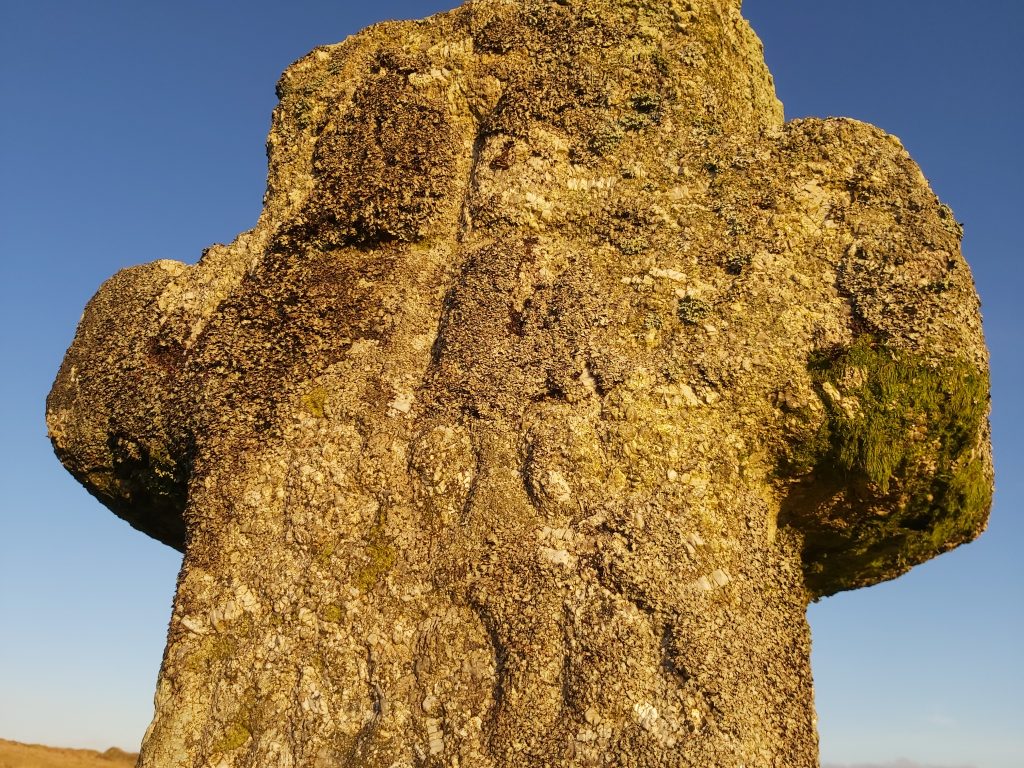
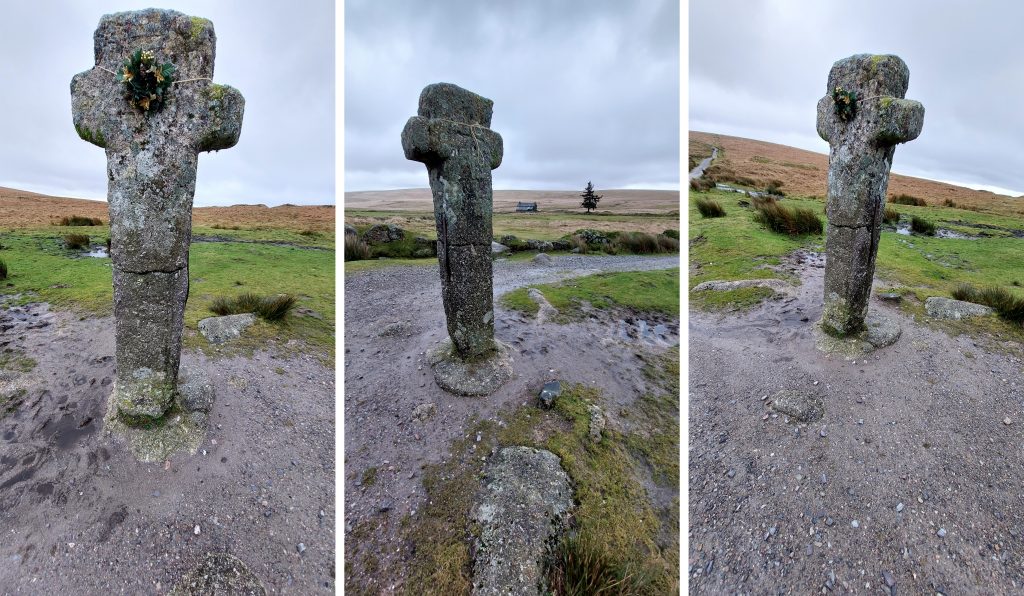
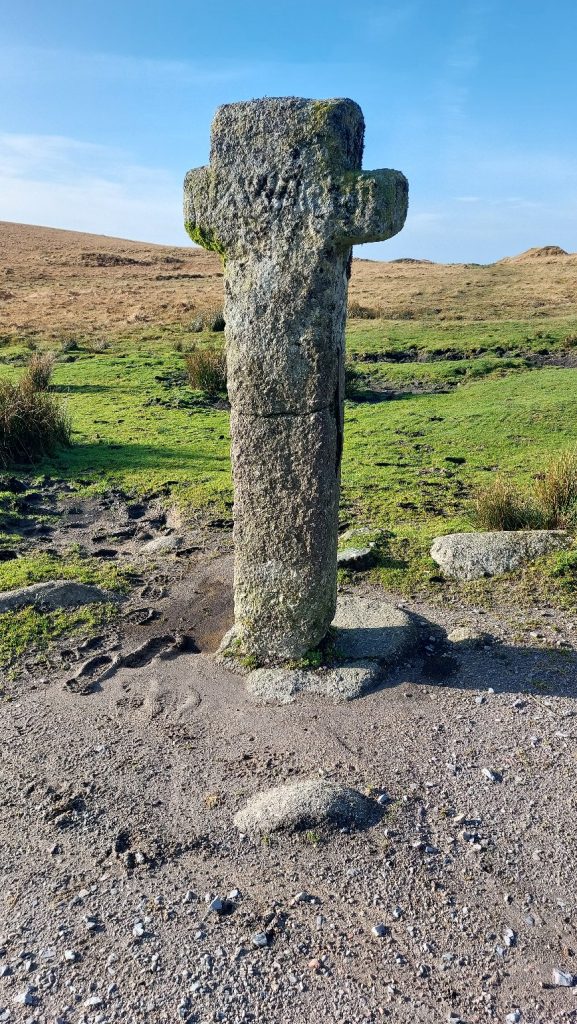
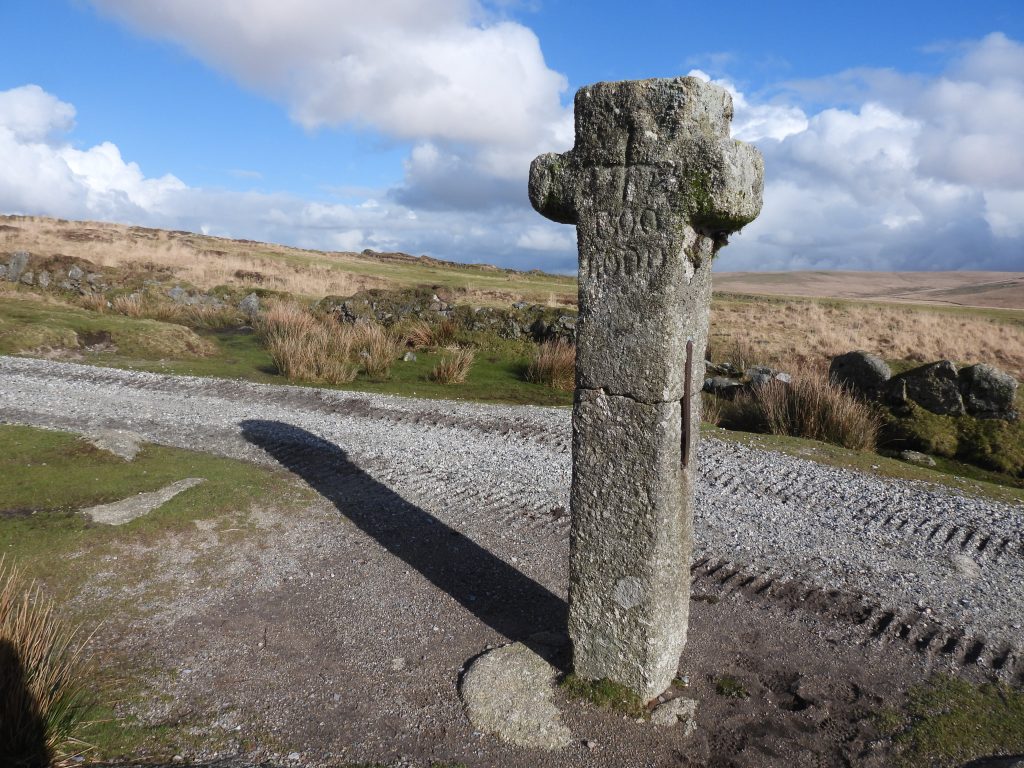
A bubbling spring close to the farmhouseThe view of the old and new farmhouses in 2026The outline of the old (single-storied) farmhouse in relation to the ‘new’ farmhouse.On the 1887 annotated map at the beginning of this post there were two ‘pink’ buildings shown. The author suspects the second building may have been ‘Hooper’s Hut’ as recorded on the 1871 census. The reason for suspecting this is because one would have thought John and Sarah would have re-used their original dwelling for their farm as opposed to just constructing another. View looking across ‘Hooper’s Hut’ looking northThe possible ‘Hooper’s Hut’ is located at SX60616 69803This obituary appeared from South Devon Advertiser and gives an insight into John Hooper’s character. His age may have been incorrectly recorded as it would have put his birth year as 1820 and the evidence suggests he was born 30th December 1822. He would have been 72 not 75 years old This table shows the history of Nun’s Cross farm post ‘John Hooper’s’ years. The details have been gleaned from the census and electoral records. Perhaps, of interest is that John Cooper married Dorothy circa 1924, but Dorothy does not appear on electoral records until 1930! Was this due to the Equal Franchise Act 1928 when finally women over 21 were able to vote and achieved the same voting rights as men ? (This act increased the number of women eligible to vote to 15 million!). Eric Hemery records there was also a Mrs Allen living at Nun’s Cross farm between 1928 and 1934 – the author has been unable to find any details and this information is in conflict with the John / Dorothy Cooper information found on the electoral roll (unless for course the Coopers were lodgers to Mrs Allen or vice versa). Picture from 1960s of the ruined original fam and the ‘modern’ farmColourised picture using AI. The 1898 ‘extension’ being unroofed and the 1871 outhouse and part farmhouse having a corrugated roof. There was a rather large tree near the ‘modern’ farmhouse which is no longer thereA 1968 photograph of the two farms. In this view the 1898 extension was still roofed but the original farmhouse and outhouse were un-roofedColour added using an AI filterBy using the west (prominent) gable end from the 1880s photograph and marrying it up with the 1968 photograph an interesting composition emerges. With some imagination, one would suspect this is how the structures would have been in the early part of the 20th century. One wonders where all the stone work has disappeared to – perhaps into newtake walls in the vicinity ? What would John Hooper have thought about the ‘new’ farmhouse?A view of the ‘farms’ from 29th December 2019A view of the ‘farms’ from 21st December 2023A murky view of the ‘farms’ from 23rd January 2023. Looking at the mist in the photograph, it is worth noting that Crossing in ‘Amid Devonia’s Alps’ mentions the farm in the chapter ‘A Dartmoor Mist’ (page 89) recalls the story of Sarah Hooper, thus: “The wife of Mr Hooper, who lives at the little farm at Nun’s Cross, went out one evening about 6 o’clock to fetch in their cows to be milked, and a mist quickly enveloping her, when at no distance from the house, she wandered on the moor until 4 o’clock the next morning, reaching home in a drenched condition for the driving mists quickly soak one to the skin. By her statement to me she could not have gone far from her house – not more than a mile or two – but in vain endeavoured to find her way to it”. Crossing reveals that she had wandered into the Plym Valley and came across the ruins at Eylesbarrow. He continues: “….at arriving from her home she, without loss of time, proceeded to make her butter, as usual, and at 6 o’clock, it being then clear weather, she set out to Brent across the moor”. She was visiting her son at Loddiswell, near Kingsbridge. The story concludes as apparently she missed her train at Brent and had to walk an extra two miles to catch a coach to get her to her destination. An interesting, but possibly embellished story ? A view from the gate from 29th December 201913th February 2026 – note the damage to the roof (right gable end). The building must be suffering from water damageThis structure lies to the south west. The walling is the 19th century except of course from the modern block workThis square structure is shown on the 1887 map (marked grey). It is unlikely to ever have been roofed and the author speculates that it might have been a holding penThe square structure (holding pen?) is at SX60561 69812The rather conspicuous concrete blocks built into 19th century wallingA feature which once was built into the walling at the farm was this ‘shield’ with the letters ‘VT’ either side of what looks like an inverted sword. This picture was taken on 29th December 2019. The ‘shield’ is known to have been here from at least 1987 (it was recorded in the Dartmoor Magazine, number 7) but seems to have disappeared around 2024 possibly 2025. The pictures here were taken 28th May 2021The author has read a few suggestions about what the shield and initials represent (ref: Legendary Dartmoor). These include the ‘T’ representing the name Tyrwhitt (which would date it from early 19th century); that it came from the old Nun’s Cross Mine (which would date it from early mid 19th century); that it came from Devonport Leat (which would date it to late 18th century). None of these seems plausible. A more believable theory comes from Mike Brown in one of his Field Guides (No. 15, page 13) where he suggests ‘VT’ refers to the Vincent Thomas School of Exeter who at one time used the nearby farmhouse as a base for summer field courses. This seems the most plausible explanation. The above picture is the last one the author took of the shield and dates to 23rd January 2023Nun’s Cross (aka Siward’s Cross) from which the farm took its name. The ancient name of Siward’s Cross (Latin: Crucem Sywardii) was quoted in the 1240 perambulation of the Forest of Dartmoor documents.The West side of the cross has a faint inscription “BOC LOND” believed to the old spelling of Buckland.The ‘BOC LOND’ inscription from 29th December 2019The cross from 21st December 2023. Recorded on the very detailed and excellent ‘Dartmoor Crosses’ website as: “6 feet 10 inches (2.08 metres) tall; 2 feet 7 inches (0.79 metres) across the arms. The repair to the shaft is 3 feet 7 inches (0.79 metres) from the top”. Crossing records the cross as being 7 feet 4 inches. He noted that the cross had been “intentionally thrown down by two lads when searching for cattle in this part of the moor. This was in 1846, but it was soon repaired by a stone mason, named John Newcombe”.
On the eastern face of the cross in favourable light the name ‘SIWARD’ can be made out, hence the alternative name for the cross. This name is thought to have derived from Earl Siward, a Saxon, who owned the lands around Tavistock prior to the Norman Conquest.
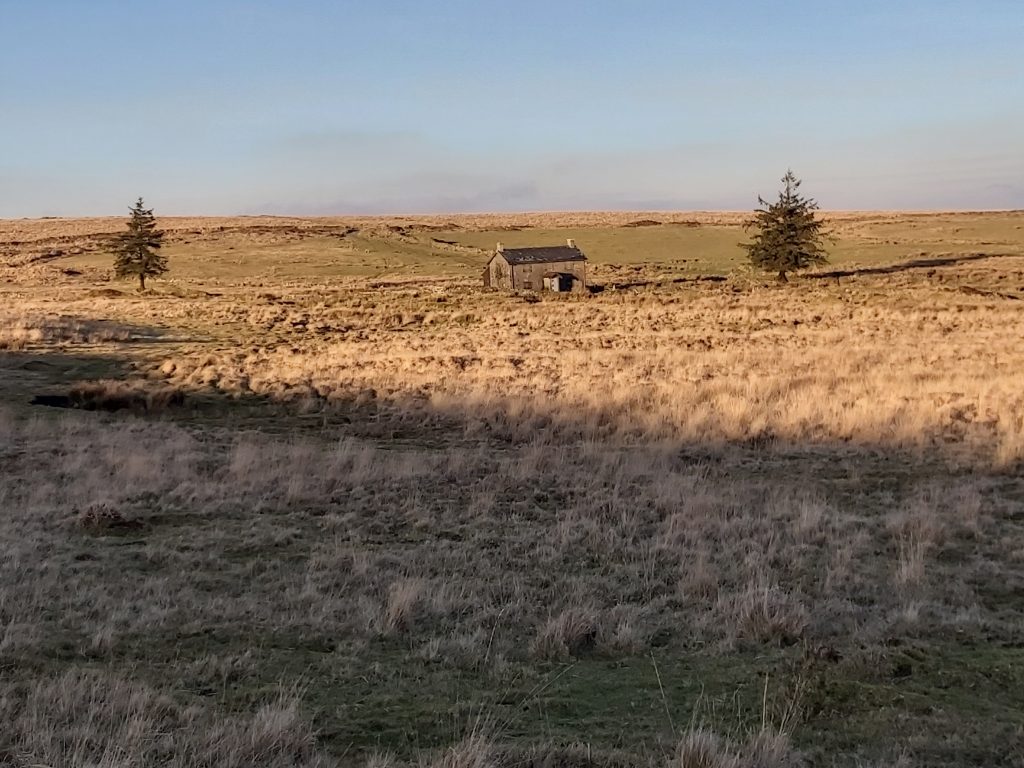
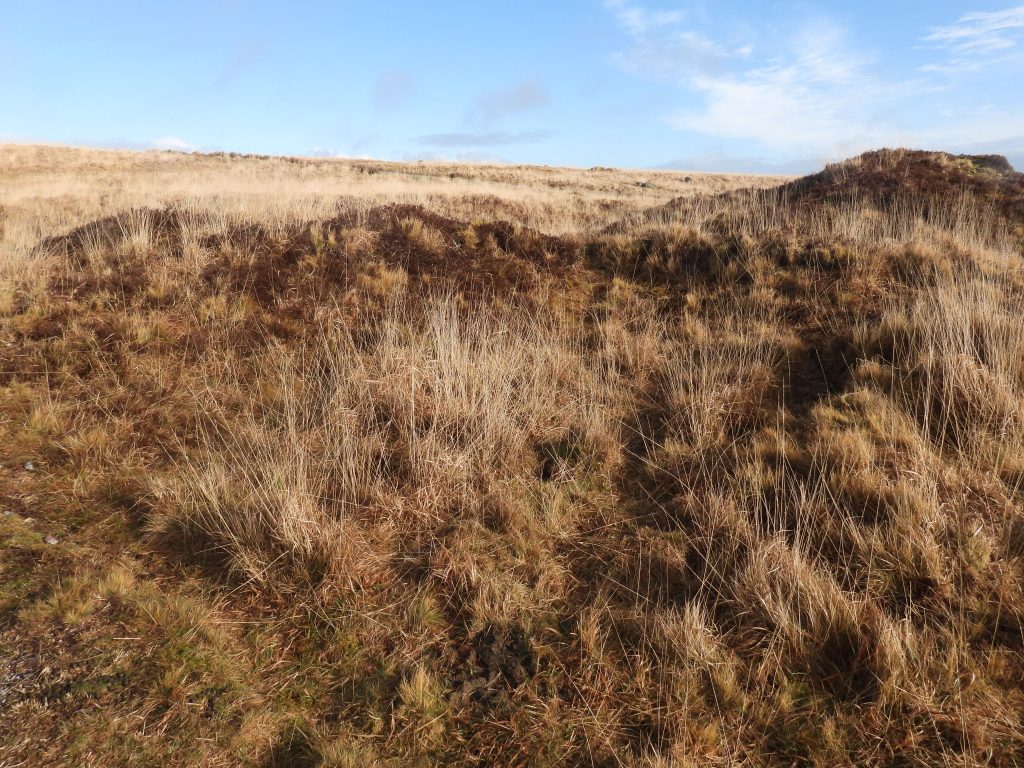
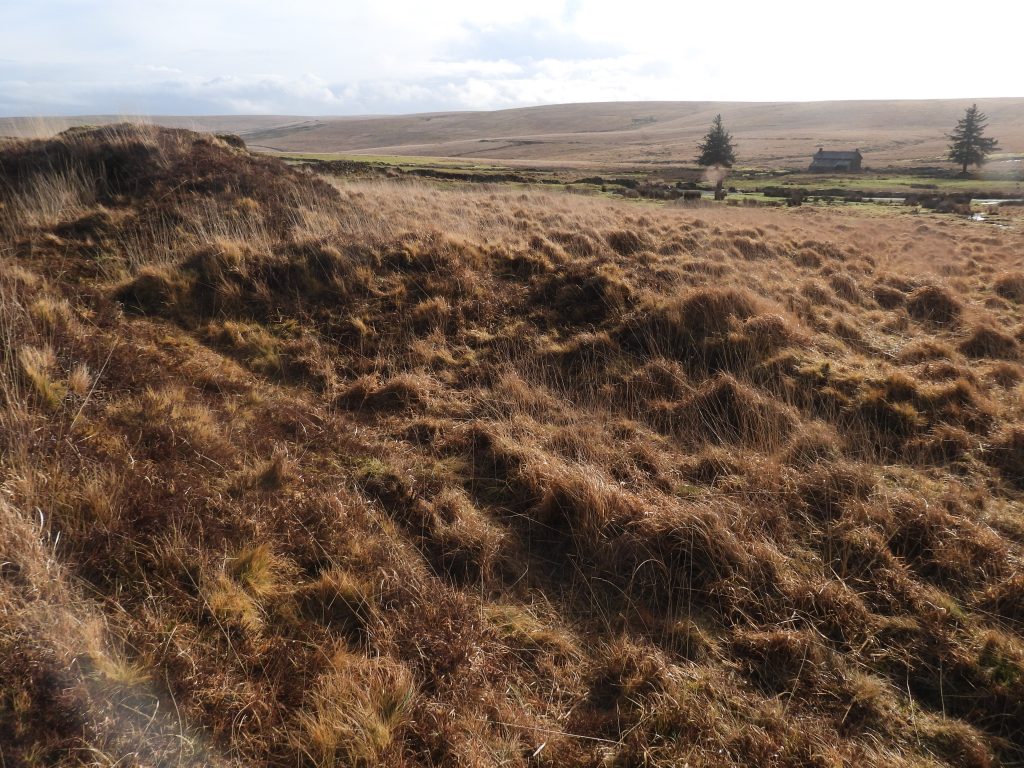
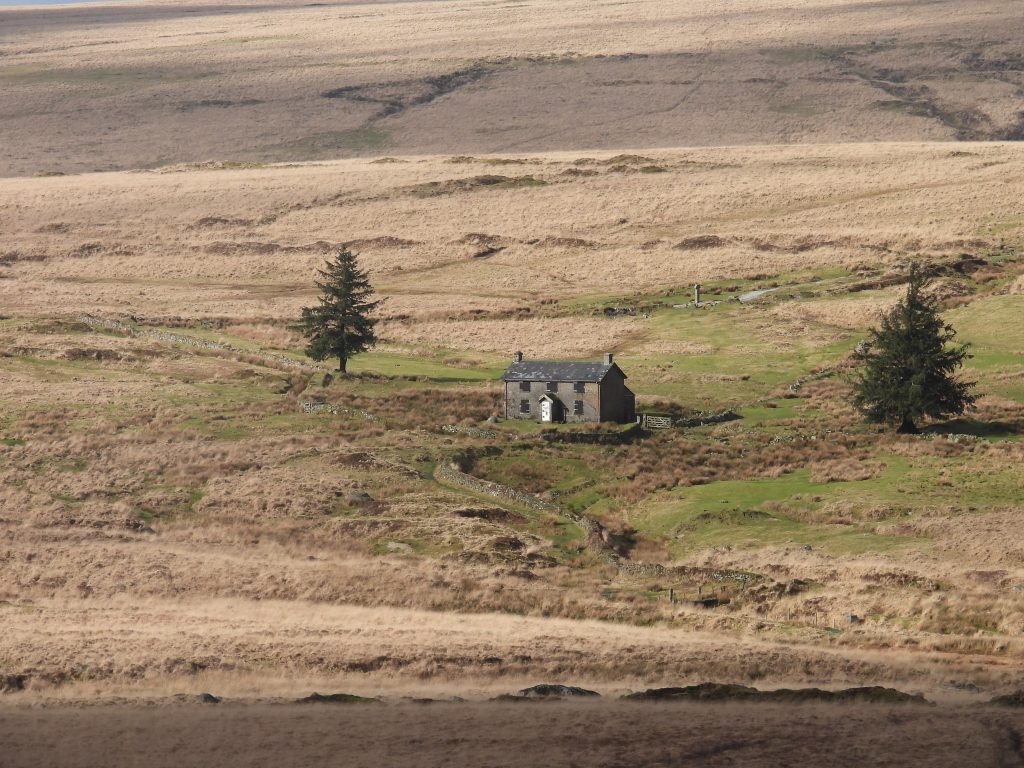
Image from 13th February 2026 with the ‘BOC LOND’ on the western face. Crossing in his Guide to Dartmoor (page 105) gives us a possible reason why it is called Nun’s Cross. Crossing believed that the name may have derived from the Cornu-Celtic word ‘nans’, a valley, dale, or ravine, standing as it does at the head of Swincombe Valley”. He further states that the name ‘Nun’s’ maybe a comparatively modern name, or the corruption of one. The earliest record of the name was from 1699, when it appeared as Nannecross.This rectangular ‘cut-out’ is the stone foundations of a small structure adjacent to the south side of some deep tin pits. This is located at SX60416 69978The rectangular footprint measures 3.6m by 7.5m and the walls are 0.4m wide and stand to just above the ground. The structure almost certainly pre-dates the John Hooper period and was most likely to have been associated with the tinworking activity, possibly the nearby Nun’s Cross Mine which was last worked 1862-4. The pits may even be from an earlier period.Zoomed in view of Nun’s Cross farm from the north west slopes of Crane HillAnother zoomed in view of Nun’s Cross farm from the north west slopes of Crane Hill